
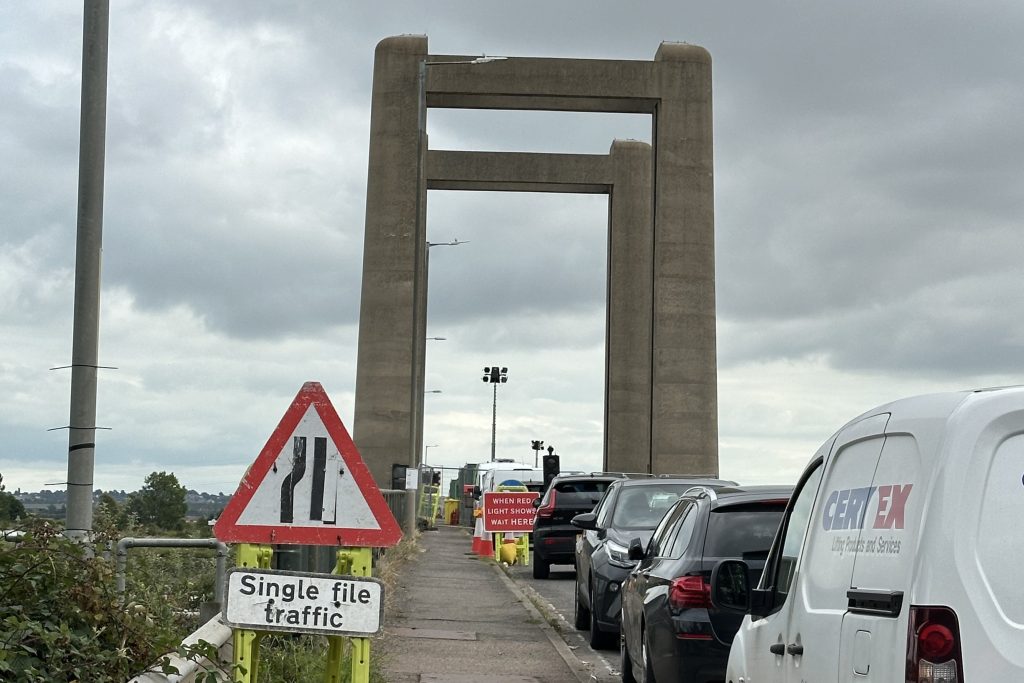

Magnetic rope testing (MRT) has become essential for assessing the lifting ropes of Kingsferry Bridge, ensuring its operational integrity.
- Usually utilised in the oil and gas sector, MRT has been adapted to evaluate the structural integrity of the ropes on the Kingsferry Bridge.
- Network Rail is preemptively replacing 40 steel lifting ropes, following MRT findings of deterioration beyond expectations.
- The bridge closure, affecting road, rail, pedestrian, and cycle links, underscores the critical nature of this maintenance.
- Network Rail and specialists from Bridon-Bekaert are collaborating to ensure the bridge’s functionality for decades to come.
Magnetic rope testing (MRT), a sophisticated technology originally developed for the oil and gas industry, is being employed to scrutinise the cable ropes that enable the Kingsferry Bridge to function. This move by Network Rail is a proactive measure in response to findings of unexpected deterioration in these crucial components. The MRT process involves a magnetic head that meticulously scans the internal structures of the ropes, identifying breaks or corrosion that are not visible to the naked eye.
The Kingsferry Bridge, a pivotal vertical lift bridge constructed in 1960, connects the British mainland to the Isle of Sheppey across the Swale. This bridge, carrying not only vehicular and pedestrian traffic but also critical utilities such as fresh water and gas pipelines, is undergoing significant maintenance during summer closures. Early MRT results indicated a worrying level of degradation in the bridge’s steel lifting ropes, prompting Network Rail to advance their replacement schedule.
SSK, alongside Bridon-Bekaert, specialists in cable technology, have undertaken the replacement project. The work started with replacing eight counterweight ropes on the Sheppey side during an initial eight-day closure. Given that the ropes were last replaced in the mid-1990s, reaching the lower end of their 25-to-30-year lifespan, the maintenance is timely though unplanned. By executing these replacements now, the risk of sudden operational failure due to rope breakage is significantly mitigated.
Asta Neely, Network Rail’s electrification and asset manager for the southern region, emphasised the importance of regular inspections and the recent reliance on MRT as the ropes approached their design life expectancy. “We were planning on renewing the ropes in about five years’ time, but we’ve had to bring it forward to now,” she noted, underscoring the unexpected acceleration of the maintenance timeline.
Despite comprehensive inspections, the precise cause of the damage to the ropes remains unclear. The application of industry standards presents a challenge due to their design for cranes rather than bridges, adding complexity to the situation. Matthew Davies from Bridon-Bekaert highlighted that MRT’s ability to detect internal anomalies has been critical in assessing the rope condition, underscoring its value in non-traditional applications like bridges.
The proactive use of MRT and strategic rope replacement aims to ensure Kingsferry Bridge’s reliability for the foreseeable future.
