

The UK’s Department for Transport has missed its decision deadline regarding the £9bn Lower Thames Crossing Development Consent Order (DCO).
- Transport Secretary Louise Haigh was expected to announce a decision on the major National Highways project today, but no announcement has been made.
- A brief update on government websites has left stakeholders in the dark about the DCO’s status, highlighting ongoing uncertainty.
- National Highways, having invested £300m and years of preparation, faces further delays amidst accusations of attempting to influence the decision.
- The project’s potential economic impact of £40bn is being debated, with opposition citing environmental concerns.
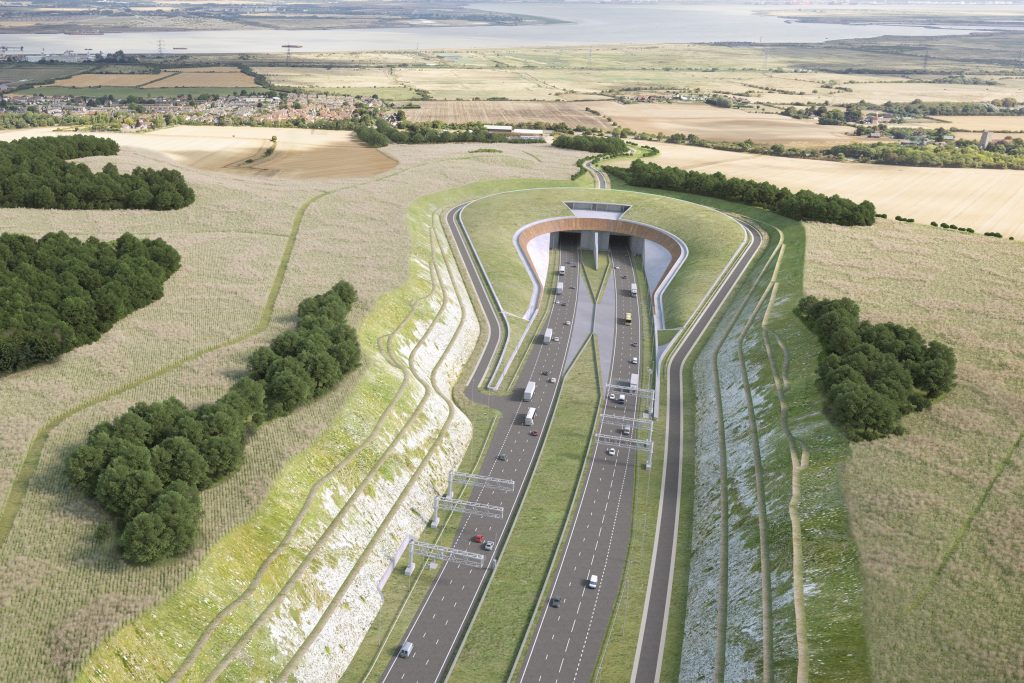
The UK’s Department for Transport (DfT) has failed to announce a decision on the £9bn Lower Thames Crossing Development Consent Order (DCO), despite the deadline being set for 4 October. Transport Secretary Louise Haigh was anticipated to deliver this crucial decision on whether to proceed with National Highways’ prominent infrastructure project, intended to involve 23km of fresh road construction and a tunnel beneath the Thames connecting Kent and Essex.
The absence of a decision was communicated through a succinct message on both the government and Planning Inspectorate’s websites, stating, “An update will be provided on the application in due course.” It remains unclear whether this indicates a formal delay, which requires a written notification to Parliament and a new deadline date announcement on behalf of the secretary of state.
National Highways has committed nearly £300m and seven years to crafting the DCO for this massive project. The application was initially withdrawn in November 2020 before a decision could be reached, and was then resubmitted in November 2022, with a stunning 360,000 pages, making it the most extensive DCO application to date. The Planning Inspectorate made its recommendation to the secretary of state earlier this year, but the decision was postponed due to a General Election, with a final announcement expected today.
Recently, National Highways has faced allegations of attempting to sway the DCO decision-making process, raising questions about the integrity of this crucial decision. Businesses have voiced their support for the DCO by the deadline, promoting the potential of improved traffic flow and a £40bn economic boost. If approved, the LTC project would be the largest road infrastructure endeavour in the UK, featuring a 3.4km-long tunnel beneath the Thames, and has been divided into three major contracts with companies such as Balfour Beatty and Skanska involved.
According to Keith Bowers, Tunnels Technical Director, the LTC aims to implement cutting-edge tunnelling technology and serve as a pioneering project for carbon-neutral road construction, utilising hydrogen energy sources. However, a recent unsuccessful search for a hydrogen supplier necessitated a new procurement attempt commencing in July.
With the government confronting a £22bn financial shortfall, there is speculation about exploring private finance models for the LTC’s funding. Following today’s lack of resolution, the campaign group Transport Action Network (TAN), which opposes the project, argued for its termination in favour of more efficient and cost-effective alternatives.
Chris Todd, TAN’s director, emphasised that the LTC should be “put out of its misery,” suggesting that even if approved, its completion would not alleviate traffic until 2032 and would offer only a brief respite at Dartford. Furthermore, he pointed out the inconsistency in government plans to reduce carbon emissions by £21.7bn against the project’s potentially adverse effects.
Public debate continues, balancing the potential economic advantages against environmental preservation and financial viability, while the state’s decision-making process undergoes intense scrutiny.
The Lower Thames Crossing project hangs in the balance, mired in delays and controversy.
