
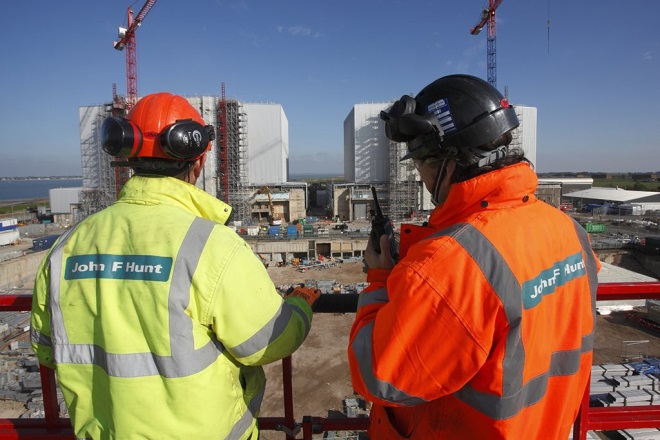

John F Hunt Group has announced a significant transition to an employee-ownership model, reflecting a trend within the construction industry.
- Equity in 19 out of 21 entities within the Group will move to an Employee Ownership Trust (EOT), excluding specific divisions.
- This conversion aligns with broader industry patterns where firms adopt employee ownership, particularly around leadership transitions.
- The company maintains a strong financial base, with assets valued at £38.7 million as of March 2023.
- Several contractors experienced financial challenges post-EOT conversion, highlighting potential risks involved.
The John F Hunt Group, a notable figure in the demolition sector, announced the transfer of ownership to an Employee Ownership Trust (EOT), a significant decision reflecting a trend among construction companies. The shift involves 19 of the group’s 21 companies, with Morris Machinery and John F Hunt Power excluded from this transition. Financial specifics of this transaction remain undisclosed, yet the group holds a respectable book value of £38.7 million as per its latest fiscal report, concluding on 31 March 2023.
Under the framework of the EOT, John F Hunt’s shareholders benefit from zero capital gains tax on their sales proceeds, and the trust retains shares on behalf of the employees. This structure allows for a tax-free bonus of up to £3,600 annually per employee from the profits. Founded in 1982 by John Hall, who serves as the active chairman, the group employs over 500 individuals. Hall has emphasised that daily management remains unchanged and stated that selling to a third party was never a suitable option, underscoring the importance of the workforce in the company’s achievements.
In recent years, a significant shift toward EOTs can be observed within the construction industry, often coinciding with leadership’s retirement plans. However, adopting this model does come with challenges, as evidenced by the financial struggles faced by firms like Michael J Lonsdale and Buckingham Group, which transitioned to EOTs and subsequently ceased operations. It is noted that these companies faced substantial financial burdens post-transition, as initial payments to former owners and ongoing valuations strained their finances.
John Hall has articulated that while EOTs present a viable pathway for sustained growth and succession, maintaining a robust balance sheet is paramount. His comments highlight the delicate balance required in leveraging such models without succumbing to financial pitfalls. Supporting this view, BDO tax partner Matthew Emms has expressed that EOT-owned firms excel in employee retention and motivation, fostering productivity and potentially driving economic growth.
Financially, the group’s performance has been impressive, with a turnover surging by 44% to reach £157 million and a pre-tax profit of £9.5 million for the year ending March 2023. Despite these successes, the Group faces ongoing challenges, including a recent fine of £5.6 million imposed for participation in bid rigging by the Competition and Markets Authority, a matter that continues to test its resilience.
John F Hunt’s transition to employee ownership marks a pivotal step, balancing opportunity with inherent challenges observed in this ownership model.

