
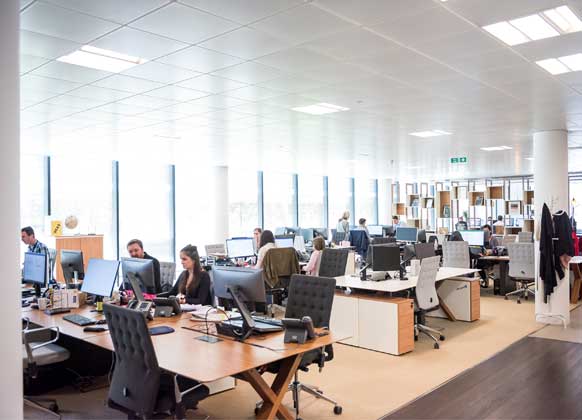

High levels of productivity are demanded from employees today, driven by competitive and on-demand business environments.
- Encouraging employees to focus on single tasks rather than multitasking can lead to more effective and accurate work outcomes.
- Prioritising tasks enables employees to navigate their responsibilities more efficiently, contributing to a structured workday.
- Flexibility and adaptability in work arrangements can help retain a diverse workforce, accommodating varying employee needs.
- Open communication and realistic expectations foster a supportive workplace, enhancing employee well-being and performance.
High levels of productivity are demanded from employees today, driven by competitive and on-demand business environments. This pressure necessitates a robust support system for employees, who are crucial assets to a company. Overburdened employees might struggle to perform, potentially impacting business outcomes. Hence, strategic approaches to support employee management are essential.
Encouraging employees to focus on single tasks rather than multitasking can lead to more effective and accurate work outcomes. Multitasking may seem efficient, yet it often leads to reduced quality and slower completion of tasks. By focusing on individual responsibilities, employees can ensure precision and efficiency, akin to how we would not endorse distractions in critical situations like driving.
Prioritising tasks enables employees to navigate their responsibilities more efficiently, contributing to a structured workday. By categorising their duties based on urgency and importance, employees can create a roadmap that guides their daily activities, enhancing productivity and reducing stress throughout the day.
Flexibility and adaptability in work arrangements can help retain a diverse workforce, accommodating varying employee needs. By offering options such as remote work and flexible hours, employers can support older employees or those with caregiving responsibilities, as well as younger staff seeking work-life balance. Engaging with employees for feedback on processes can help refine these adaptations to best suit the workforce.
Empowering employees through electronic scheduling tools fosters accountability and collaboration. These platforms promote transparency and allow team members to align on project goals, exchanging ideas and making processes more efficient. Such tools not only boost motivation by making objectives clear but also facilitate personal development through skill acquisition.
Open communication and realistic expectations foster a supportive workplace, enhancing employee well-being and performance. Clear articulation of company objectives, open-door policies, and reasonable workload management help prevent burnout and disengagement. Similarly, assigning challenging tasks at opportune times ensures that employees are both motivated and capable of meeting expectations.
Implementing supportive strategies enhances employee performance and contributes to overall business success.
