
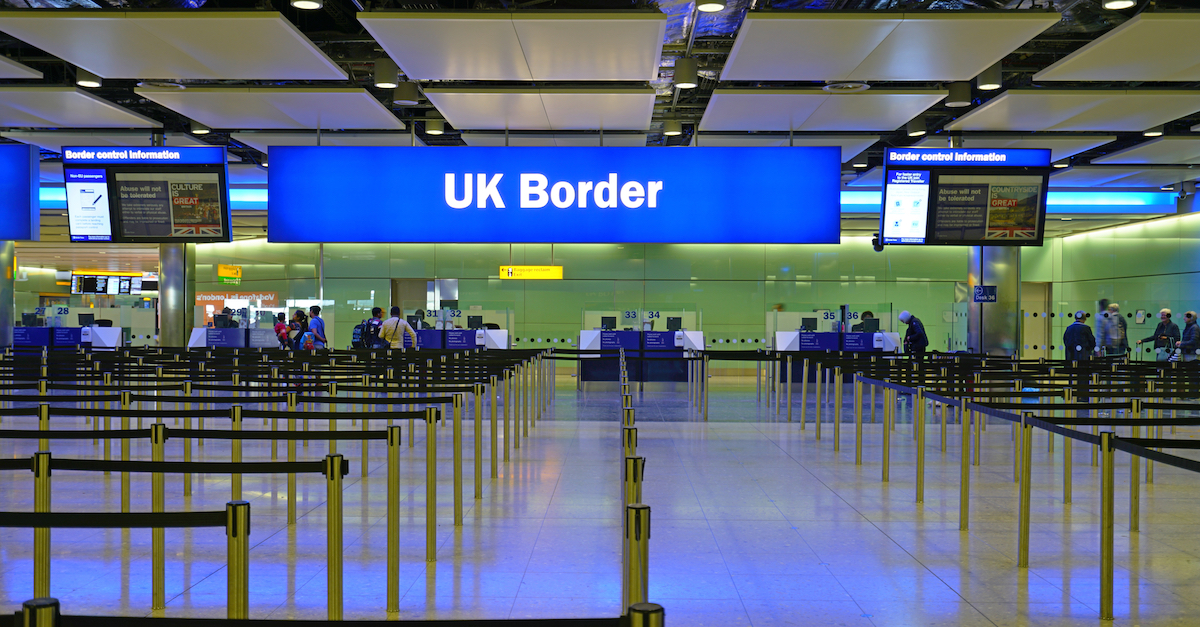

The planned strike by Border Force officers at Heathrow Airport has been temporarily suspended. This pause comes as discussions between the union and Home Office are ongoing.
Originally scheduled for 11-14 April to coincide with the end of the Easter school holidays, the strike involved over 600 officers. The union had expressed concerns about new roster changes that could lead to job losses.
Background of the Strike
The Border Force strike was set against the backdrop of proposed changes to staffing rosters that the Public and Commercial Services Union (PCS) claims could severely impact its members. The PCS warned that as many as 250 staff might be forced out of their jobs by the end of April due to these changes.
The strike was poised to occur during a peak travel period, a fact that underscored the potential disruption it could cause. The timing—coinciding with the close of the Easter holidays—was strategically chosen to maximise impact and draw attention to the grievances of the officers.
Union’s Position and Response
The union’s decision to suspend the strike came after a desire for further clarification from the Home Office. According to a statement from PCS, the suspension was made in a “spirit of collaboration” to allow more time for constructive dialogue.
Fran Heathcote, PCS general secretary, emphasised that the suspension is not the end of the dispute. She stated, “This is a significant move on the part of PCS that demonstrates a genuine will to work constructively in devising a new roster system acceptable to our members.” This highlights the union’s ongoing commitment to seek resolutions that accommodate the needs of members, especially those with additional personal responsibilities.
Government’s Perspective
Inside sources suggest that while there is a willingness to engage, pressures of maintaining security and operational efficiency at one of the world’s busiest airports cannot be understated. This context places added pressure on the government to balance the interests of staff against broader security imperatives.
With economic pressures and public safety at stake, the government’s actions in the coming days will significantly impact the morale and workload of Border Force staff. The union has clearly stated their members’ unwillingness to adjust without fair consideration of their working conditions.
Implications for Travellers
A prolonged dispute or resumed strikes could spell trouble for travellers using Heathrow Airport, potentially leading to longer wait times and disruptions.
Given the critical role that Border Force officers play in maintaining security and efficiency at UK borders, any reduction in their numbers or morale could have significant consequences for airport operations, particularly during peak travel times.
Travellers and airlines are advised to stay informed about the situation. Regular updates from Heathrow and involved parties will be crucial in planning and adjusting travel itineraries, should the threat of strike action become imminent again.
Impact on Border Force Staff
For the officers involved, the proposed roster changes represent not just logistical alterations but significant professional and personal upheavals. The potential job losses add a layer of anxiety across the workforce, even as they continue to fulfil critical duties.
Many Border Force staff members juggle professional responsibilities with personal commitments, making roster stability essential. The union’s emphasis on accommodating those with disabilities or caring duties is thus a central issue in these negotiations.
The outcome of these discussions is likely to influence the broader HR policies and workforce management strategies within the Home Office, setting a precedent for how such disputes may be handled moving forward.
Future of the Negotiations
The Home Office must navigate these talks delicately, balancing immediate security needs with long-term workforce contentment. The outcome will be closely watched by other government departments and labour organisations as a case study in conflict resolution under economic pressures.
Both parties acknowledge the complexity of the negotiations, which require a nuanced understanding of the delicate interplay between worker rights and public service obligations.
What Lies Ahead for Heathrow
Heathrow Airport, as the UK’s largest aviation hub, is no stranger to industrial action and its implications. However, the scope of this potential strike elevated concerns to new levels.
Should negotiations falter and strikes resume, Heathrow could face significant operational challenges. This would not only impact passengers but could also strain relationships between the airport, airlines, and regulatory bodies.
The suspension of the Border Force strike at Heathrow offers a temporary respite and a chance for dialogue, but the situation remains fragile. The need for a comprehensive resolution that addresses both the practical and personal needs of staff is essential to prevent future disruptions.
As talks continue, all eyes are on the Home Office and PCS to see how they navigate this complex issue.
