
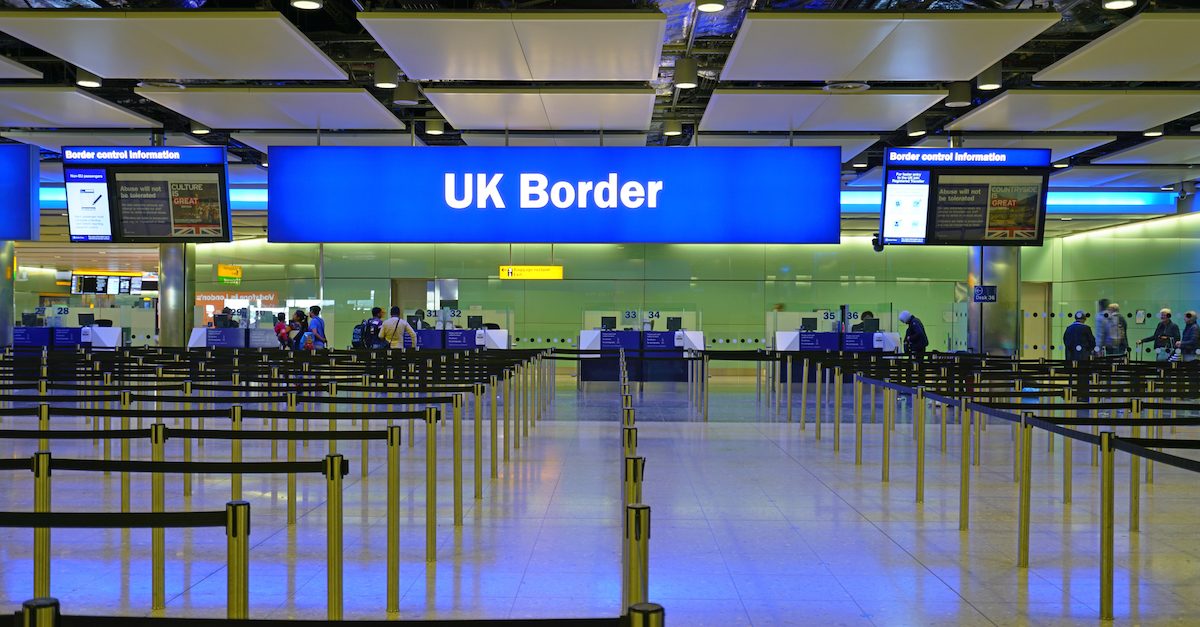

Around 600 Border Force officers at Heathrow are planning a four-day strike starting April 11. This action follows a significant vote by union members demanding reconsideration of recent staffing changes.
The proposed strike is in response to a newly implemented roster and shift pattern that reportedly threatens the job security of many officers. Such changes could lead to substantial staff reductions and negatively impact staff with special responsibilities.
Union Ballot and Dispute Details
The decision to strike was overwhelmingly supported, with a significant 90% of Public and Commercial Services Union (PCS) members backing the motion. This follows a contentious decision regarding a new roster and shift patterns at Heathrow Airport, which have become the focal points of the dispute. The changes implemented by management are said to potentially result in the departure of 250 staff by the end of the month.
The union has raised concerns regarding the impact on employees, especially those with disabilities or caring responsibilities. These changes could worsen their work-life balance significantly. Public sentiment, as gauged by various bodies, indicates a strong divide between operational requirements and personal considerations of the employees.
Statements from Key Stakeholders
Fran Heathcote, the general secretary of PCS, has issued a strong warning to ministers, urging them to reconsider the proposals within 14 days or face the reality of industrial action at Heathrow. Her statement underscores the union’s demand for job security and fair working conditions.
Heathcote highlighted the necessity of maintaining flexible working arrangements for staff who play a critical role in national security. She asserted that the government must prioritise both the job security of Border Force officers and national safety by scrapping the proposed changes.
A Heathrow spokesperson provided reassurance to passengers by acknowledging past experience in managing such strikes successfully. The airport is committed to collaborating with the Home Office to develop effective contingency plans.
Government Position and Preparedness
The Home Office has expressed disappointment in the union’s decision to conduct a strike, emphasising the priority of maintaining secure borders. Their commitment to security is underscored by their implementation of robust plans designed to mitigate the anticipated disruption.
The department has assured the public that necessary personnel will be deployed to manage the influx of travellers during what is expected to be a busy travel period. Past experiences have equipped the authorities with strategies to handle similar situations effectively.
Advisory measures have been recommended for passengers, suggesting that they verify travel information with operators before undertaking their journeys. Such precautionary steps are deemed essential in managing travel plans amidst potential disruptions.
Impact on Travellers and Airport Operations
Passengers using Heathrow during the strike days are likely to encounter delays, especially during peak hours. The airport’s operations, while robust, could be strained under such unprecedented circumstances. Travellers have been encouraged to brace themselves for prolonged waiting times.
Stakeholders within the travel sector have voiced concerns regarding the long-term impact of such strikes on Heathrow’s operational reputation. Prolonged industrial actions could deter airlines and passengers alike. The need to resolve disputes amicably is increasingly highlighted as imperative.
Communication has been cited as a crucial element in navigating this period of unrest. Airlines and airport authorities are being urged to maintain transparent updates to inform passengers about any changes or contingencies in place.
Possible Consequences and Union’s Stance
The potential effect on staff morale is acute, as changes to work arrangements threaten job security and work-life balance. The union maintains that such shifts could drive valuable personnel away, compromising border security indirectly. Resolving this impasse requires delicate negotiation.
There’s an acknowledgment of the challenge in balancing organisational needs with individual employee rights. Any failure to address these issues holistically could lead to further union unrest. The growing sense of dissatisfaction among workers needs to be addressed through fair dialogue.
The PCS is resolute in its call for the government to engage sincerely in discussions that prioritise employee welfare and operational integrity. The union’s demands for reversing the proposed changes are seen as non-negotiable, given their potential repercussions.
Future Implications for Border Control
The ongoing tensions at one of the world’s busiest airports point to more significant concerns about how border control policies are managed. The necessity for sustainable solutions that safeguard both national security and worker rights is more evident than ever.
Policy revisions that fail to incorporate employee perspectives could be viewed as short-sighted, undermining long-term security objectives. The potential for further industrial actions remains if a more comprehensive strategy is not developed.
There is a critical need for policymakers to adopt an inclusive approach that not only considers economic efficiencies but also upholds the integrity and welfare of border control staff. Lessons from this dispute could reshape future negotiations and implementations.
Stakeholders Call for Resolution
Industry experts and stakeholders continue to watch the situation closely, advocating for swift and effective conflict resolution strategies to ensure that similar incidents don’t recur.
The balancing act between maintaining security and employee satisfaction is delicate, requiring thoughtful engagement with all parties involved. The current impasse highlights the need for renewed dialogue with substantial commitments to employee wellbeing.
As the strike looms, dialogue and negotiation are critical to address both national security concerns and employee welfare at Heathrow.
Effective communication and resolution are essential in preventing disruption and maintaining confidence in airport operations during industrial actions.
