
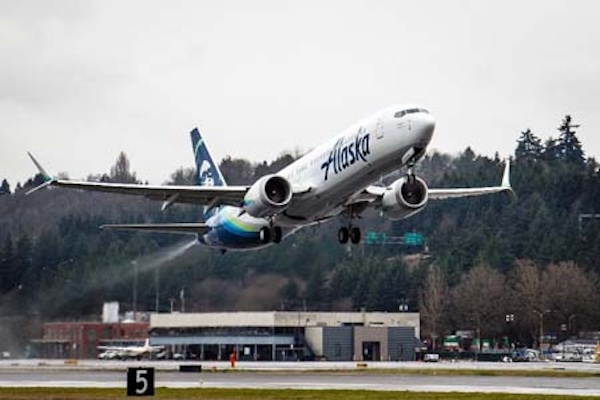

Boeing’s recent decision to limit 737 production signifies a pivotal shift in prioritising safety over quantity.
This decision comes in the wake of a panel blowout incident, prompting a reassessment of priorities.
Boeing’s Decision to Reduce Production
Boeing has decided to limit the production of its 737 aircraft, a deliberate decision prompted by the aftermath of the panel blowout incident that occurred on an Alaska Airlines flight earlier this year. The production rates will be temporarily reduced below 38 aircraft per month, a constraint set by regulatory bodies. This move aims to address and rectify safety concerns that have emerged in recent investigations.
Brian West, Boeing’s Chief Financial Officer, presented these adjustments during a recent analyst briefing. He acknowledged the necessity of slowing production to ensure quality and compliance with safety standards. This cautious approach reflects Boeing’s commitment to prioritising long-term safety over short-term manufacturing targets.
Impact of Production Constraints
The decision to limit production will inevitably affect Boeing’s financial performance. West admitted that the restrictions would impact revenue, earnings, and cash flow for the quarter and the entire fiscal year. It represents a strategic shift from prioritising production speed to enhancing the overall quality of aircraft.
The projected free cash flow for the upcoming quarter is estimated to be a usage of between $4 billion and $4.5 billion. This figure surpasses initial forecasts made in January, reflecting adjustments in operational priorities.
Boeing’s resolve to address and improve safety standards underscores the necessity of the production restraints. It is a reflection of the company’s commitment to regain trust and ensure that every aircraft meets the highest levels of safety and quality compliance.
Regulatory and Safety Considerations
The Federal Aviation Administration (FAA) plays a significant role in overseeing Boeing’s adherence to safety regulations. The production constraints arose partly due to their regulatory limits.
Boeing has expressed its intention to gradually increase production rates during the latter half of the year, contingent on successful safety audits and compliance. West stated, “As we get towards that 38 per month and beyond, it will be up for the FAA.”
This strategy highlights the collaborative effort between Boeing and regulatory authorities to bolster safety protocols. It ensures that every step in the production process aligns with stringent safety requirements before production rates are incrementally restored.
Lessons from the Alaska Airlines Incident
The panel blowout incident involving an Alaska Airlines flight on January 5th catalysed Boeing’s reassessment of its safety and quality standards. The event highlighted the imperative need for procedural refinements and more rigorous adherence to safety protocols.
For years, Boeing prioritised rapid production over addressing quality and conformance issues adequately. This practice has now been recognised as a flawed approach, prompting a paradigm shift within the manufacturing processes.
Boeing’s leadership acknowledges these shortcomings and has pledged to overhaul its operational priorities. The incident has served as a critical turning point, underlining the necessity of aligning production with uncompromised safety measures.
Financial Implications and Future Outlook
From a financial perspective, the constraints on production are expected to have extensive repercussions. The usage of cash flow and adjustments in earnings underscore Boeing’s strategic decision to prioritise safety improvements over immediate financial gains. This reflects a forward-looking approach to safeguarding the company’s reputation.
Despite the short-term financial strain, there is an optimistic outlook for the future. West indicated that production rates are expected to increase gradually in the latter half of the year, contingent on safety and compliance improvements. This phased approach is intended to restore financial stability in the long run.
Boeing remains focused on its long-term goals, envisioning a future where safety and quality are seamlessly integrated into every aspect of its operations.
Commitment to Enhanced Safety and Quality
Boeing’s leadership is transparent about the necessity to elevate safety and quality standards across its production lines. West acknowledged past missteps and emphasised that procedural changes are being implemented to rectify them.
Boeing is committed to restoring trust among its stakeholders and the broader public by ensuring all aircraft adhere to enhanced safety protocols. This commitment is crucial to re-establishing the company’s reputation as a leader in aviation safety.
Collaborative Efforts with Regulatory Bodies
Boeing’s collaboration with regulatory bodies is essential in its journey to restore production rates and ensure compliance with safety standards.
The phased approach towards increasing production rates underscores the importance of these regulatory collaborations in achieving a balance between operational efficiency and uncompromised safety.
Boeing’s strategy reflects a commitment to improved safety and quality, crucial for long-term success.
