
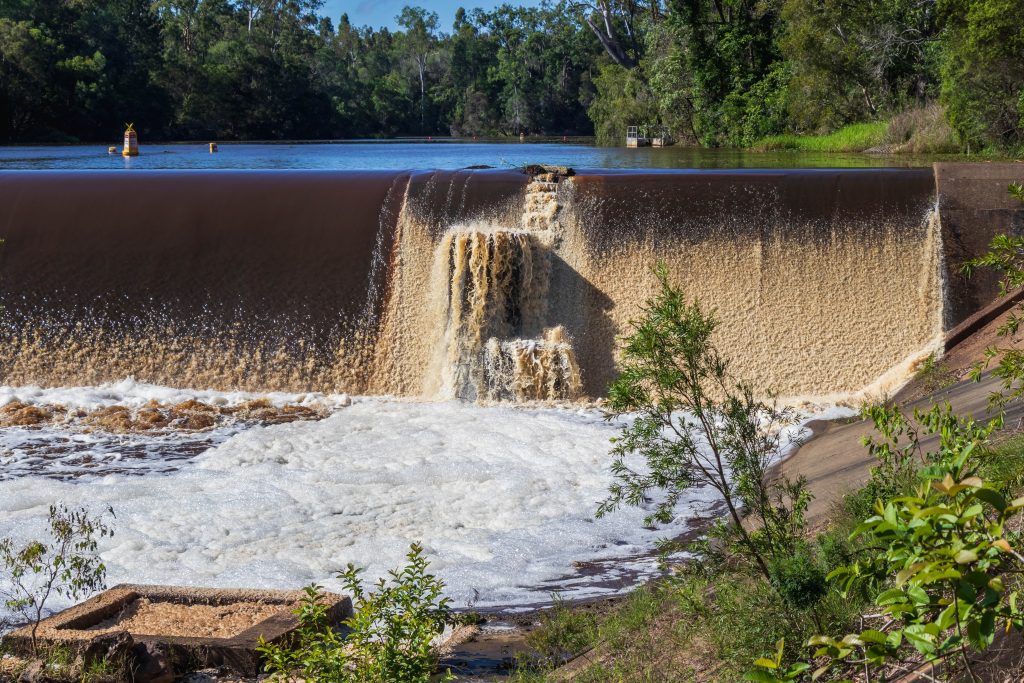

Thames Water has announced further revisions to its Teddington Direct River Abstraction (TDRA) scheme following community feedback.
- The planned changes eliminate the need for constant upstream discharge at Teddington Weir, moving it to Isleworth instead.
- Revised construction methods for the new pipeline employ tunnel boring to minimise visual and traffic impacts.
- TDRA aims to secure London’s water supply amidst predictions of a significant demand surge by 2050.
- Community engagement remains a priority, with further opportunities for public input into the evolving design.
In a move responding to extensive public consultation, Thames Water has unveiled revisions to its much-discussed Teddington Direct River Abstraction (TDRA) project. Stakeholder engagement revealed substantial input from over 2,312 individuals, prompting the water provider to adjust its plans notably.
Thames Water’s new approach involves discharging the maintenance flow at Isleworth using existing infrastructure, thereby substantively reducing the frequency of treated water discharge upstream of Teddington Weir. This action will now only occur when the TDRA initiative operates, projected to be an infrequent event—approximately once every two years. The shift negates continuous discharge and is expected to enhance the ecological and operational efficiency of the project.
Further, Thames Water has revised its construction method for the recycled water pipeline. The adoption of tunnel boring technology over pipejacking was a strategic decision aimed at lessening the project’s visual footprint. This change also alleviates the logistical burden, effectively reducing traffic actions previously necessitated by construction activities involving ventilation shafts and compounds.
The TDRA project has a critical mission: to reinforce London’s future water security. It anticipates the necessity to furnish drinking water for an estimated additional 2 million people by 2050, confronting a forecasted shortfall of 1 billion litres per day. The scheme embodies a proactive response to the mounting pressure on London’s water resources, heightened by expected population growth and climate-induced drought occurrences.
Central to the TDRA’s operation is the abstraction of water from the River Thames and its transmission through a newly-proposed pipeline to existing infrastructures. Water, after receiving a tertiary treatment at Mogden sewage works, will undergo release upstream of Teddington Weir. This process aims not merely to augment water supply but also to sustain the aquatic environment, balancing the river’s ecosystem through replenishment initiatives.
Addressing drought resilience is a focal point of governmental water policy, underscoring the urgency of TDRA’s deployment. London faces severe repercussions, both economically and socially, from potential droughts calculated to incur daily losses of up to £500 million. Thames Water’s multi-dimensional approach emphasises the integration of water recycling—a practice prevalent in other arid regions—as a vital component of sustainable water management.
Community interaction plays a significant role in the TDRA’s planning. Thames Water is committed to continuous dialogue, offering multiple sessions throughout October where stakeholders can learn about updates and influence further project refinement. This ongoing engagement illustrates the company’s commitment to transparency and community involvement in shaping vital infrastructure solutions.
Thames Water’s revisions to the TDRA scheme reflect a considered response to public input, prioritising environmental impact and community collaboration.

