
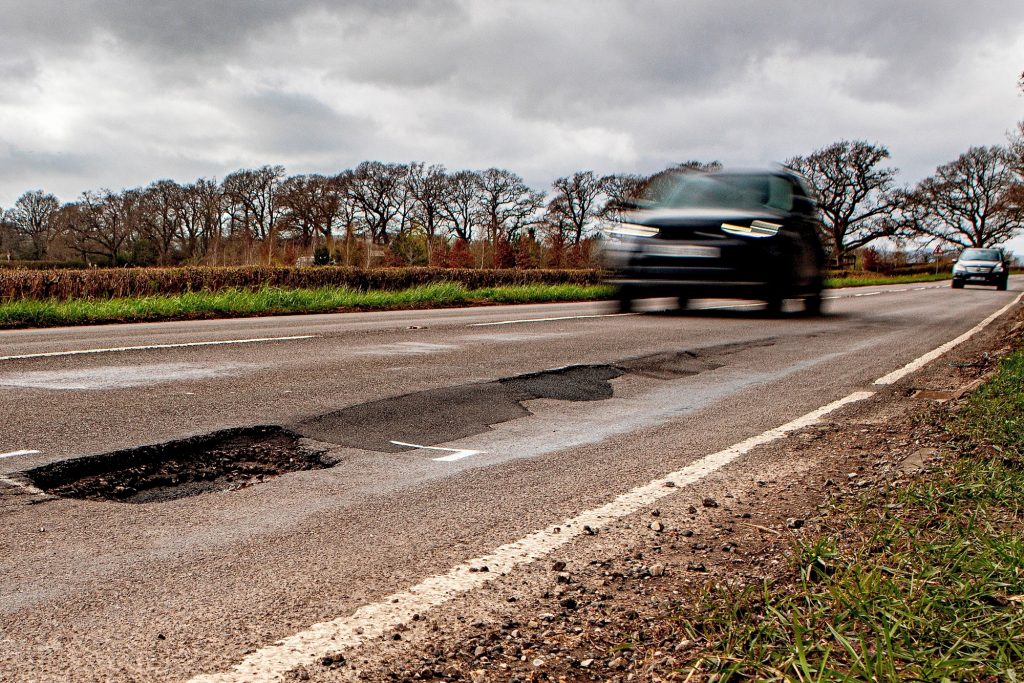

AtkinsRéalis has proposed enhancements to the Department for Transport (DfT) for local highways maintenance.
- The local highway network in England, covering 280,000 km, is at risk due to funding challenges.
- A National Audit Office report highlights significant gaps in the DfT’s data on highways maintenance.
- The economic benefits of investing in road maintenance show a good return on investment.
- Transport Secretary Louise Haigh is committed to addressing the ‘pothole plague’.
AtkinsRéalis has recommended improvements to the Department for Transport (DfT) to enhance the funding mechanisms for local highways maintenance. These proposals include the introduction of an incentivisation scheme and the establishment of a digital data collection portal to keep track of network conditions and expenditures.
The local highway network in England is immense, valued at £400 billion and constituting 92% of the entire road network, spanning approximately 280,000 kilometres. Local authorities are legally required to maintain these roads to ensure public safety. However, DfT’s current funding strategies have drawn substantial criticism for not adequately supporting these efforts.
A report by the National Audit Office has identified considerable data deficiencies in the DfT’s records, which limits its ability to assess how allocated funds benefit the highway network. According to the Annual Local Authority Road Maintenance (Alarm) survey, there is a growing backlog of maintenance work across England and Wales, with more than half of the network nearing the end of its operational lifespan.
AtkinsRéalis conducted an Economic Appraisal for Investing in Local Highways Maintenance, commissioned by the DfT, which illustrates that such investments yield significant economic benefits, with potential returns exceeding £5 for every £1 invested. Nevertheless, the appraisal underscores the difficulty in quantifying many of these benefits, as existing tools focus on a narrow set of monetised outcomes.
The appraisal suggests that the Benefit Cost Ratio (BCR) and Value for Money (VfM) of local highways maintenance can significantly differ between regions, asset types, and investment approaches. The national-level assessments may only aid in binary funding decisions without strategic guidance on funding distribution over time or regions. It advocates for comprehensive valuation methods tailored to different assets within the road network.
To facilitate local-level strategy assessments, existing tools like the Highway Maintenance Appraisal Toolkit (HMAT) and Highway Maintenance Economic Assessment (HMEA) are being enhanced. However, local authorities often struggle with their adoption due to lack of expertise or consulting funds. Simplified evaluation models could mitigate this, though they may compromise data precision.
The report advocates several actions for the DfT, such as implementing an incentivisation scheme for new maintenance funding and designing a digital data portal to consistently monitor network conditions. These steps aim to streamline data collection on maintenance spending. Furthermore, expanded guidance on the broader benefits of road maintenance should be developed to refine funding strategies.
Transport Secretary Louise Haigh has expressed a commitment to combat the nation’s ‘pothole plague’, reinforcing a manifesto pledge to repair up to one million potholes annually. During a visit to Blackpool, she examined Project Amber, which employs advanced imaging technology to identify and address road damages efficiently. This initiative has notably reduced Blackpool’s financial liabilities concerning pothole compensations.
In Blackpool, the deployment of innovative technology demonstrates a forward-looking approach to road maintenance, potentially serving as a model for nationwide adoption. Systems like Project Amber promise not only improved road conditions but also significant cost savings, reflecting a sustainable maintenance strategy.
Addressing the challenges in highway maintenance funding is critical for preserving England’s extensive road network.
