

Severe weather conditions and air traffic control limitations have caused significant flight disruptions, impacting around 10,000 travellers across major UK airports.
The chaotic weather over the weekend has necessitated numerous flight cancellations and alterations, primarily affecting Heathrow and Gatwick airports. Thousands of passengers have been caught in the midst of these disruptions, with airlines striving to manage the ripple effects efficiently.
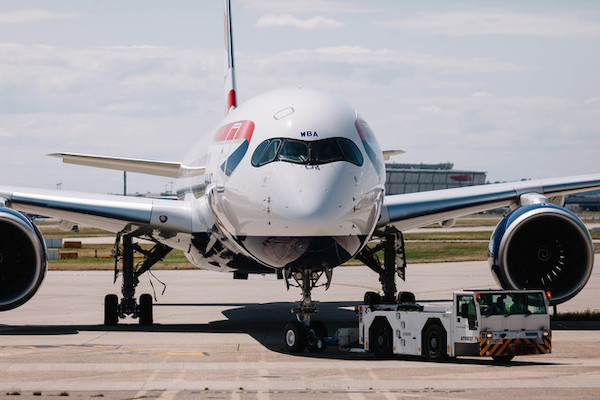
More than 50 British Airways flights were disrupted at Heathrow on Sunday, with additional cancellations on Monday due to adverse weather conditions. The situation was compounded by air traffic control restrictions, which led to delays and cancellations affecting a large number of passengers.
EasyJet was also significantly impacted, with 34 flights canceled at Gatwick on Sunday and at least nine more grounded the following day. The airline reported ongoing disruptions tied to the challenging weather conditions and resultant control delays.
In response to the challenging conditions, British Airways reported taking two of their aircraft out of service following lightning strikes. This safety measure underscores the severity of the weather-related disruptions experienced over the affected days.
A British Airways spokesperson noted that while schedule alterations were inconvenient, passenger safety remained the airline’s top priority. They assured affected travellers that efforts were being made to accommodate them on alternate flights at the earliest opportunity.
Despite the disruptions, airlines like EasyJet and British Airways demonstrated efforts to mitigate inconvenience by rescheduling flights and providing timely updates.
Both airlines operated nearly 1,800 flights over the affected days, showcasing a commitment to maintaining service continuity despite the adverse circumstances.
Passengers were urged to stay informed through official airline communications and to check their flight statuses regularly.
As the industry grapples with these events, there is increased focus on enhancing preparedness and resilience in the face of unpredictable weather conditions.
Airlines are likely to invest in better forecasting technologies and improved communication strategies to handle similar situations effectively in the future.
In summary, the recent disruptions at major UK airports serve as a critical reminder of the challenges weather and control restrictions pose to the aviation industry.
Ongoing investment and innovation will be key in ensuring robust strategies are in place to manage future disruptions with minimal impact on passengers.
The recent disruptions at Heathrow and Gatwick airports underscore the need for improved strategies to handle adverse weather and air traffic challenges, ensuring traveller safety and convenience.
As airlines and regulatory bodies continue to address these challenges, enhanced systems and strategic investments are likely to play a pivotal role in mitigating future disruptions.
