
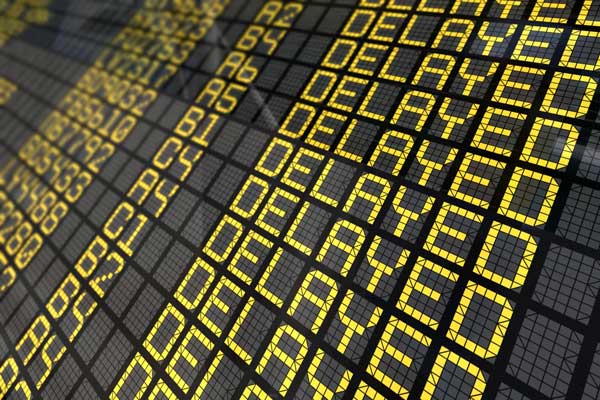

British Airways and EasyJet are embroiled in a pivotal legal case over flight delay compensations, a decision that could reshape the aviation industry.
This dispute, escalating in the High Court, involves claims for automatic passenger compensation, potentially setting a precedent that might alter industry compensation protocols.
Legal Proceedings Against Airlines
In a case that could set a significant precedent, British Airways and EasyJet are challenging a claim requiring automatic compensation for delayed or cancelled flights. This legal fight, currently in the High Court, could lead to airlines paying millions in compensation. Lawyers have pinpointed approximately 100,000 flights affected since 2016, potentially resulting in a £100 million bill.
This legal battle comes as passengers increasingly demand accountability from airlines over travel disruptions. If successful, this case could reshape compensation frameworks across the aviation industry, ensuring passengers receive recompense without the bureaucratic hassle of claims. The class action, spearheaded by an anonymous plaintiff and supported by litigation funders, is poised to redefine passenger rights.
A two-day hearing this week will be crucial in determining whether the case has the legal grounding necessary to proceed. Both airlines are vigorously defending against the claim, citing compliance with existing regulations and questioning the lawsuit’s validity.
Potential Implications for Passengers
The outcome of this case holds immense potential for airline passengers. If the court sides with the plaintiffs, compensation could become an automated process, alleviating the burden on travellers to initiate claims. This systemic change might enhance passenger rights by making compensation more accessible, thus holding airlines to stricter standards.
Currently, passengers must submit claims individually, often navigating complicated procedures to receive compensation for delays exceeding three hours. Many are unaware of their rights, leading to unclaimed recompense. The current system’s complexity often deters legitimate claims, potentially saving airlines significant sums at passengers’ expense.
Airlines’ Defence and Reactions
British Airways has responded firmly, stating, “We comply with our obligations under current regulation.” The airline contests the legal basis of the suit, branding it as ‘misconceived.’
EasyJet echoes this sentiment, deeming the case as having no substantive legal premise and accusing it of exploiting procedural loopholes for profit. The airline argues existing channels already facilitate full compensation for eligible claims, thus rendering the lawsuit unnecessary.
This defensive stance underscores a broader industry concern over the potential financial implications of widespread compensation claims. Airlines are apprehensive about setting a costly precedent, fearing it could spark similar actions globally.
Industry Context and Statistics
The aviation industry grapples with punctuality issues, affecting both customer satisfaction and operational costs. Notably, British Airways reportedly cancelled over 4,000 flights last year, according to Cirium data, twice the number cancelled by EasyJet.
This discrepancy highlights operational challenges unique to different carriers and raises questions about efficiency and customer service quality. Despite these challenges, BA has improved its on-time performance at Heathrow, now surpassing some European rivals such as Air France and KLM. This indicates ongoing efforts to enhance service reliability.
The case at hand could further pressurise airlines to maintain stringent schedules, potentially reducing cancellations and delays. An unfavourable ruling against them could have a ripple effect, encouraging stricter adherence to timeliness in operations worldwide.
Broader Impacts on the Aviation Sector
Beyond direct compensation issues, this legal case reflects broader trends in consumer rights and corporate accountability. Increasing litigation in response to flight disruptions signals a shift towards enforcing more stringent consumer protection measures.
Airlines are thus under scrutiny not only for operational efficiency but also for their legal and ethical stances in handling consumer grievances.
This evolving landscape suggests a future where regulatory bodies and consumer advocacy groups might drive airlines towards more transparent and customer-friendly practices.
Financial Repercussions
Potential financial implications for airlines, should the case succeed, are vast. Not only would they face immediate compensation disbursements, but there might also be longer-term fiscal pressures to upgrade systems and processes to prevent similar issues.
Investments in better scheduling systems, customer service improvements, and greater operational transparency might become necessary—a costly endeavour amidst an already competitive and financially strained industry.
For passengers, however, the ruling could herald more dependable service assurances, ultimately fostering enhanced trust and loyalty towards airlines.
Conclusion
Navigating the complex landscapes of airline operations and passenger rights, this case underscores significant implications for both parties should it succeed.
The outcome could redefine industry standards, ensuring passenger rights are upheld while challenging airlines to improve service punctuality.
A resolution will not only affect future compensation claims but could also inspire broader changes in airline operational transparency.
