
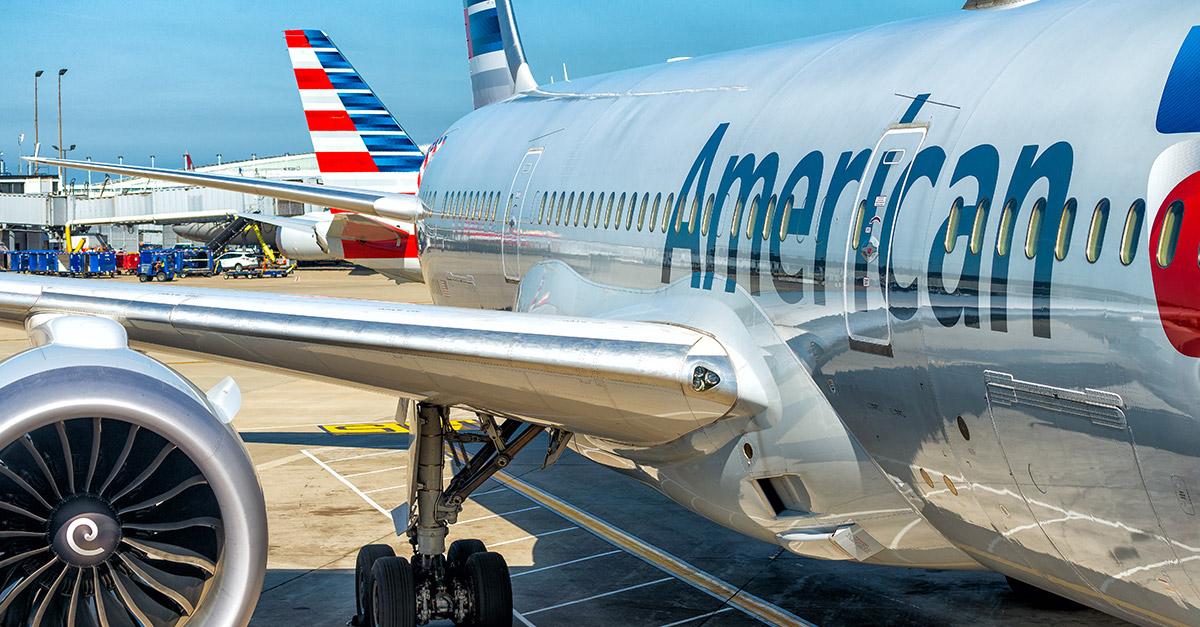

In a recent strategic pivot, American Airlines acknowledged the limitations of its aggressive NDC technology implementation. By prioritising adaptation and collaboration, the airline seeks to mend relationships with key industry stakeholders.
The airline’s new approach comes amidst market criticism and financial challenges, prompting a reassessment of their strategies to align with stakeholder expectations and market realities.
American Airlines’ Strategic Reassessment
In a significant strategic shift, American Airlines has decided to re-evaluate its approach to implementing new distribution capability (NDC) technologies across its sales platforms. This comes after admitting that previous strategies may have alienated key stakeholders, including travel management companies (TMCs). The airline’s concession highlights a need to realign its goals with the practical realities of market demands and customer expectations.
Economic Impacts of the NDC Rollout
Under the helm of Chief Executive Robert Isom, American Airlines has openly acknowledged the adverse financial repercussions triggered by its aggressive rollout of NDC technology. The airline has reportedly lost “a couple of hundred million dollars” in revenue due to diminished bookings, a situation exacerbated by a softening in the overall market.
Faced with these fiscal challenges, Isom made it clear during an investors’ conference in New York that there would be immediate action to address the downturn. His candid admission reflects the business’s tough position, stressing the urgent need to adapt its sales and distribution strategies to current economic conditions.
Industry Resistance and Controversy
The imposition of NDC technology by American Airlines has sparked significant industry backlash, especially from US travel agents’ associations such as Asta. These organizations accused the airline of leveraging market power unfairly, casting a shadow over its commercial practices. A complaint was consequently filed with the US Department of Transportation, amplifying the debate surrounding the rollout.
American Airlines escalated the situation in March by threatening to withhold loyalty points from customers booking via non-preferred agencies. This move required a minimum of 30% ticket sales through NDC channels by late April, a strategy that further strained relationships with agents. Although softened later, the move left a lasting impact.
Revising the Distribution Strategy
In light of the challenges faced, American Airlines is committed to overhauling its distribution strategy to make its products universally accessible. The company plans to collaborate more closely with agencies and partners to ensure that their transitions to newer systems are seamless and minimally disruptive.
Isom’s pledge to reintegrate legacy technologies with NDC systems is a significant concession. He recognised the necessity for a dual approach—both incentivising and facilitating the adoption of NDC, which suggests an openness to more flexible, agency-friendly solutions.
The company has also committed to enhancing its technical support for TMCs, acknowledging that successful execution requires robust infrastructure and close partnership with stakeholders.
Future Directions and Industry Standards
Looking ahead, Isom has affirmed that while modern retailing through internet channels remains the future of airline distribution, the pace and method of achieving it requires substantial adjustments. This admission points towards a more cautious and collaborative future approach.
The focus will now be on building strong, sustainable relationships with intermediaries, necessitating a series of engagements and dialogues to restore confidence and cooperation within the industry.
American Airlines aims to redefine its standards by striking a balance between technological advancement and stakeholder engagement, positioning its distribution model as a benchmark for the future.
Conclusion
The analysis of American Airlines’ revised strategy underscores the complexities of implementing technological advancements in a competitive market. By acknowledging past missteps and committing to improvements, the airline aims to navigate its future better. This introspective approach may serve as a valuable lesson in strategic adaptation for other industry players.
In summary, American Airlines’ decision to adjust its NDC strategy highlights the importance of stakeholder collaboration in technological transitions.
The lessons learned from this experience emphasize the need for flexibility and strong engagement with industry partners to ensure sustainable growth.
