

Adapting to seasonal changes while maintaining a professional look in the workplace can be challenging. This article outlines practical attire tips for every season, focusing on comfort, professionalism, and adaptability.
- Spring requires dressing in light layers, using breathable fabrics like cotton while incorporating pastel colours.
- Summer demands breathable materials and lighter colours, with linen suits and unlined suits for comfort.
- Autumn focuses on layering with darker tones, and fabrics like cashmere to maintain warmth and style.
- Winter demands insulating layers like thermal undergarments, with wool and flannel providing warmth while maintaining professional aesthetics.
Spring dressing requires a strategic approach to layers as temperature fluctuations are common during this season. Opting for light layers such as a blazer over a breathable dress shirt ensures flexibility in adapting to the varying temperatures. Pastel colours and fabrics such as cotton or linen can add comfort and a seasonal flair to the professional attire. For suits, lightweight materials like wool or cotton blends are ideal, allowing for airflow and maintaining comfort. Colours such as light grey or navy are suggested for a fresh, spring-suitable attire.
Summer poses its own challenges with heat necessitating a focus on breathable fabrics and lighter colours. Natural fabrics including cotton, linen, and lightweight wool are optimal for moisture management and comfort. Advised colours include white, beige, and light blue which reflect heat rather than absorb it. Linen suits are particularly stylish and cool, and it’s wise to consider unlined or half-lined suits for better ventilation. Accessories should be light, with ties kept to a minimum in more relaxed office settings.
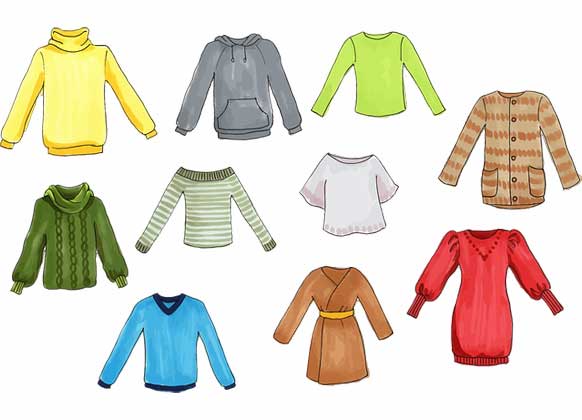
Autumn calls for embracing layers that can be adjusted as temperatures drop. The combination of a lightweight sweater under a blazer or over a dress shirt works efficiently. Wool and cashmere are valuable in providing warmth without losing professional poise. Colours such as burgundy, olive, and navy fit well within the autumn palette, while tweed and wool suits offer both function and fashion. Shoes such as ankle boots are practical, with scarves and gloves enhancing warmth without sacrificing style.
Winter demands a robust approach to layering with a focus on insulation. Starting with thermal undershirts and layering with sweaters under a blazer or jacket provides needed flexibility when moving between different temperatures. Fabric choices should include wool, flannel, and cashmere for their excellent insulation properties. Darker suit shades like charcoal and navy are seasonally appropriate, with overcoats, wool scarves, leather gloves, and sturdy footwear completing the attire for practical warmth.
The year-round approach to professional dressing should balance style, comfort, and workplace expectations. Regular wardrobe maintenance ensures that attire remains clean, appropriately fitted, and ready for the season. Items like a classic white shirt or tailored trousers provide versatility across seasons. An awareness of office culture aids in adapting these guidelines to specific workplace norms. Comfort should never be sacrificed, as it is essential for productivity and confidence.
By following these attire guidelines, professionals can navigate seasonal changes without sacrificing their professional appearance or comfort.
