
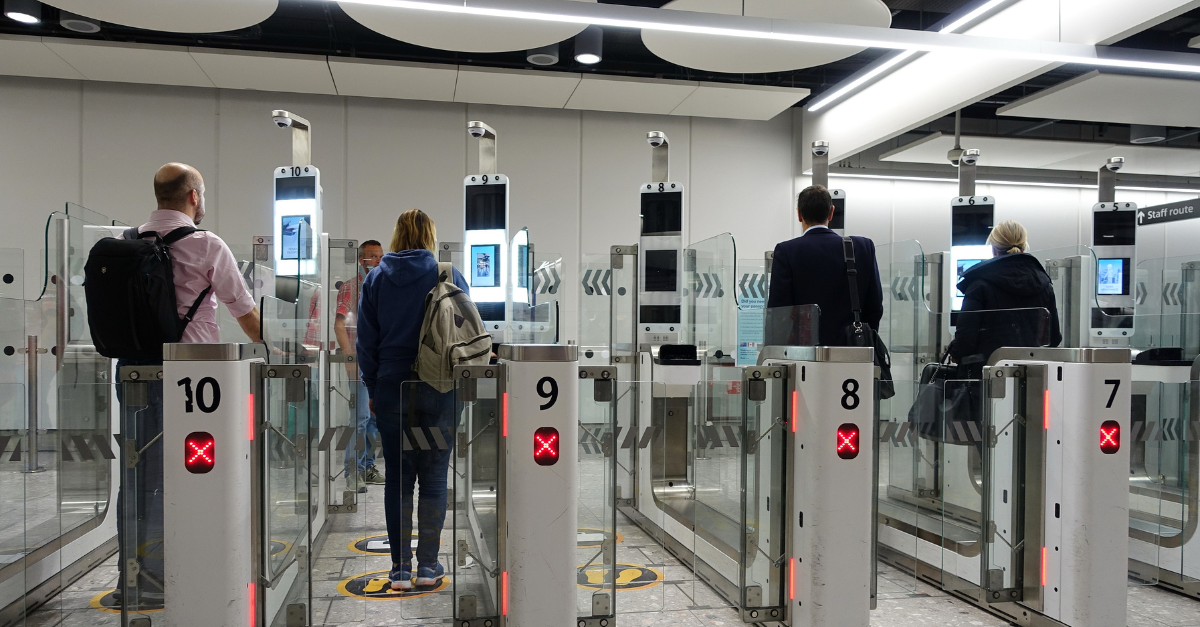

Problems with e-gates at several major UK airports caused significant delays for arriving passengers. The issue, affecting key gateways including Heathrow and Gatwick, was resolved early this morning.
Airports across the UK faced disruptions due to a technical fault in passport e-gates. The fault led to queues and delays for thousands of travellers, sparking a swift response from authorities.
A sudden technical issue disrupted the functioning of e-gates at numerous UK airports on Tuesday evening. Travellers faced extensive queues at passport control as the problem, first identified shortly before 8 pm, rendered automated systems inoperative for several hours.
Engineers identified a network-related problem at 7.44 pm, initiating a large-scale contingency plan within minutes. Such swiftness highlights the robustness of UK airport protocols in handling unexpected IT failures.
Belfast International, lacking e-gates, also experienced systems downtime though it wasn’t as adversely affected. The ripple effect of the issue was widespread, proving a challenging day for the airport staff and travellers alike.
The spokesperson further noted that investigations were underway to pinpoint the exact cause, avoiding dismissive attributions to technical failures without concrete evidence.
Effective management of such widespread technological frameworks remains a challenge. A future-proof system is vital to ensure operational continuity and to uphold trust in technological advancements deployed at borders.
Whilst many lamented the inconvenience, some shared positive notes on staff handling the pressure. Airport staff were praised for their efforts in managing the situation despite the overwhelming odds.
Passengers and airport authorities alike will be keenly watching the outcome of these investigations, hoping for reinforced systems and better preparedness in future unexpected events.
The swift resolution of the e-gate issue underscores the readiness of UK airports in managing unforeseen technical glitches. As investigations continue, future-proofing measures are expected to enhance system reliability.
The temporary disruption, albeit resolved rapidly, highlights the critical need for robust technological infrastructure in modern aviation security. The aviation community looks forward to comprehensive evaluations to prevent such incidents.

