

Silicon Valley-based startup Groq has made significant strides by raising $640 million in a Series D funding round, bringing its valuation to an impressive $2.8 billion. This bold move signals its intent to compete directly with industry giants like Nvidia, particularly in the dynamic AI hardware sector.
Led by BlackRock Private Equity Partners, the funding round includes strategic investments from several notable firms. Groq’s ambition to redefine AI hardware, with a focus on rapid AI inference, is evident through its advanced technology and strategic hiring. As it scales operations, Groq is poised to become a dominant player in AI innovation.
Strategic Investment and Expansion Plans
Groq’s recent funding success underscores its mission to democratise AI technology. The $640 million investment, primarily led by BlackRock, highlights the market’s confidence in Groq’s approach to AI hardware innovation. This capital injection will fund the deployment of over 100,000 Learning Processing Units (LPUs) into its cloud-based platform, GroqCloud, thereby broadening access to sophisticated AI tools.
The strategic use of this capital also includes expanding Groq’s workforce and enhancing its technological capabilities. As Jonathan Ross, Groq’s CEO, emphasised, the company is set on scaling its operations and increasing its talent density. This focus on growth and innovation places Groq in a favourable position to capture a significant share of the AI hardware market.
Groq’s Technological Edge
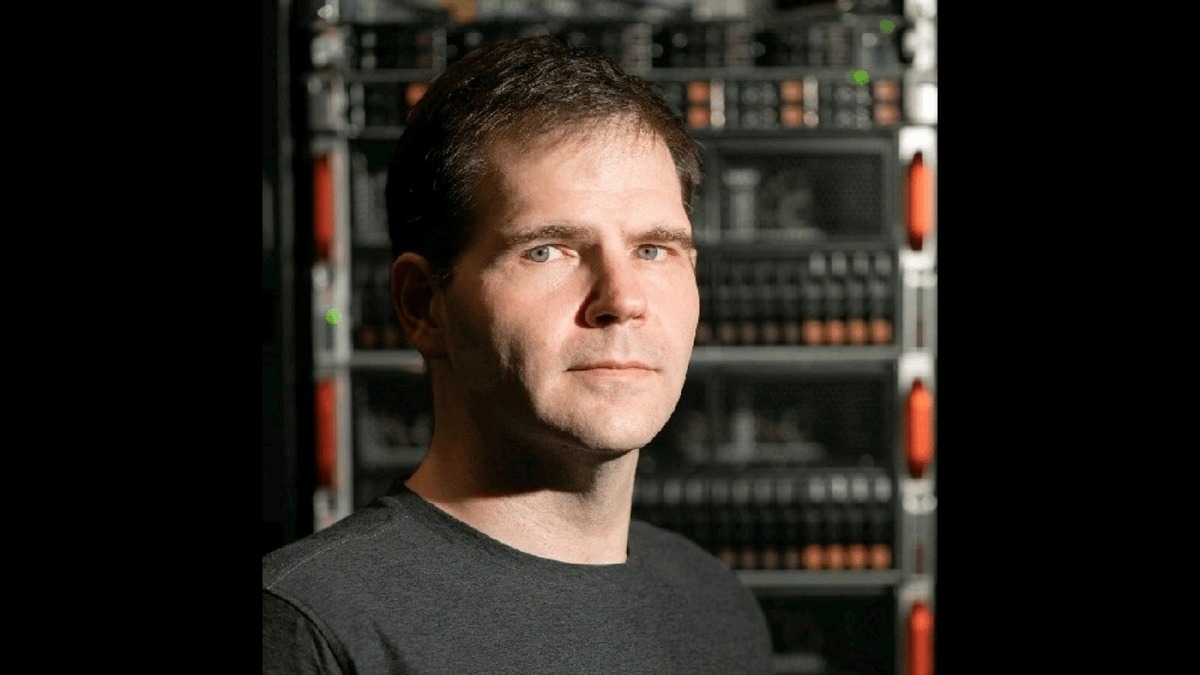
Founded by Jonathan Ross, a former Google engineer, Groq specialises in creating high-performance chips designed for AI inference. Its hardware and software solutions offer unparalleled speed and efficiency, particularly for natural language processing tasks.
Groq’s platform supports a range of applications, including autonomous vehicles and advanced robotics, which demand real-time processing capabilities. The company’s emphasis on open models has attracted a community of over 360,000 developers to GroqCloud, showcasing its appeal in the tech industry.
Visionary Leadership Additions
Groq has bolstered its leadership team with industry veterans to drive growth and innovation.
Stuart Pann, a former senior executive at HP and Intel, joins as Chief Operating Officer, bringing vast experience in tech. Yann LeCun, a prominent figure at Meta, lends his expertise as a technical advisor, offering strategic insights to enhance Groq’s AI capabilities.
With these additions, Groq’s leadership team is well-equipped to navigate the complexities of the competitive AI market.
Investors’ Perspectives on Groq
Investors are optimistic about Groq’s potential to disrupt the AI hardware landscape. Samir Menon of BlackRock praised Groq’s vertically integrated solutions, which are well-aligned with the growing demand for efficient AI computing.
Similarly, Marco Chisari from Samsung Semiconductor commended Groq’s innovative architecture and its market-leading speed in Generative AI inference. These endorsements reflect investor confidence in Groq’s strategic direction and technological prowess.
Competing Against Industry Giants
Groq’s strategic positioning and innovative technology align it as a formidable challenger to Nvidia’s dominance in AI hardware.
The company’s rapid advancements in AI inference technology and its growing ecosystem of developers enhance its competitive edge. As the demand for AI solutions intensifies, Groq is strategically poised to expand its market presence.
Groq’s focus on fostering a robust developer community and advancing AI solutions underscores its commitment to lead in AI innovation.
The recent funding round marks a pivotal moment for Groq, reinforcing its position as a key player in the AI hardware sector.
With strategic investments and leadership enhancements, Groq is well-equipped to challenge established giants and drive the next wave of AI innovation.
Groq’s bold initiatives and strategic expansions highlight its potential to reshape the AI hardware landscape, setting the stage for continued growth and innovation.
The company’s advancements not only signal a challenge to existing industry leaders but also promise significant contributions to the future of AI technology.
