
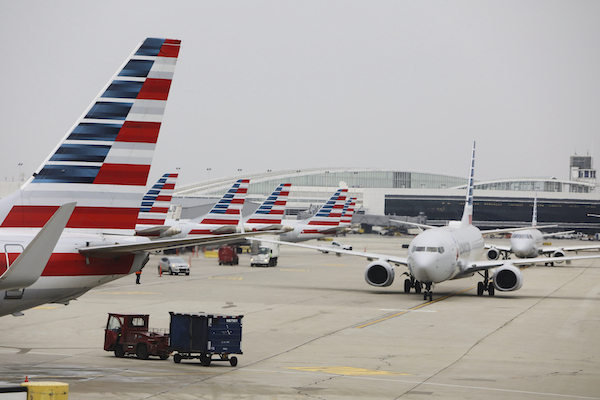

American Airlines has recently reversed a pivotal decision regarding its distribution strategy, garnering positive reactions from travel agents and industry partners alike. The airline had earlier implemented a New Distribution Capability (NDC) strategy, which met with resistance due to accessibility issues.
Background of the NDC Initiative
The New Distribution Capability (NDC) initiative by American Airlines was instituted to modernise the airline’s distribution channels. This move aimed to enhance customer experience by providing richer, more personalised travel content. However, the abrupt transition excluded many travel agencies from accessing competitive fares, causing widespread dissatisfaction among travel management companies (TMCs).
American Airlines withdrew numerous fare options from traditional global distribution systems, directing them exclusively to NDC channels. This forced many agencies to navigate a challenging landscape, where servicing bookings became increasingly complex. The lack of infrastructure support for many agents compounded these challenges, leading to service disruptions and customer dissatisfaction.
Industry Response to American Airlines’ Strategy
The response from the travel sector was swift and critical. Agents found the NDC adoption premature, citing underdeveloped technology and inadequate support from the airline. The American Society of Travel Advisors (Asta) was vocally opposed, highlighting issues with basic functions such as comparative shopping and ticket rebooking.
Asta’s president, Zane Kerby, remarked on the difficulties faced by agencies in executing standard booking tasks, which intensified frustrations. The challenges with NDC were presented as part of an official complaint to the US Department of Transportation, citing anti-competitive practices.
American Airlines’ Strategic Reversal
Recognising the backlash, American Airlines made a strategic decision to reverse some aspects of its NDC approach. Chief Executive Robert Isom acknowledged the disconnect with agency partners, stating, “Our approach has driven customers away from American.”
Isom announced a comprehensive review of agency relations, including compensation structures and distribution strategies. The airline pledged to ensure that its services remain accessible to customers through all potential booking channels. This decision was welcomed as a move towards inclusivity and better service integration.
The move was seen as a significant step towards mending relationships with the travel sector. By reinstating agency access to all its fare content, American Airlines positions itself to reclaim lost trust and business from previously estranged partners.
Reactions from Industry Leaders
Industry leaders expressed their relief at the reversal, highlighting the essential role of collaboration between airlines and travel agencies. Andrea Caulfield-Smith of The Advantage Travel Partnership asserted that acknowledging the servicing challenges of the NDC model marked a refreshing shift from American Airlines.
British Airways, an American Airlines partner, also commented on the ongoing journey to enhance distribution capabilities. Their head of distribution, Sam Robinson, noted shared objectives with slightly different approaches, emphasising the importance of maintaining strong industry relationships.
The collaborative sentiment echoed across industry forums, with leaders calling for more comprehensive strategies that encompass all stakeholders’ needs.
Future Implications for NDC Technology
American Airlines’ retreat demonstrates the potential pitfalls of rapid technological integration without sufficient stakeholder engagement. It brings to light the need for a balanced approach that aligns technological advancement with user readiness and support infrastructure.
The incident serves as a cautionary tale for other airlines considering similar distribution changes. It underscores the importance of stakeholder consultation and incremental implementation to avoid alienating key business partners.
Moving forward, airlines are expected to engage more deeply with agencies to refine NDC technologies, ensuring smoother transitions and minimising service disruptions.
Call for Responsible Implementation
The travel sector anticipates a more responsible NDC implementation from American Airlines in the future. Zane Kerby of Asta expressed hope for constructive collaboration to enhance the distribution landscape, relying on lessons learned from past challenges.
Agents stress the importance of robust support systems and user-friendly technology to facilitate smoother operations. The alignment between airlines and agencies will be crucial in delivering seamless client experiences through the NDC framework.
Conclusion
The decision by American Airlines to revise its NDC strategy marks a turning point in its approach to distribution. By renewing its commitment to agency partners and listening to industry feedback, the airline sets a precedent for careful and inclusive implementation of new technologies.
In reversing its NDC approach, American Airlines acknowledges the pivotal role of agents and partners in its distribution network. This strategic pivot not only aims to recover lost business but also strengthens collaborative ties with industry stakeholders, paving the way for more effective future technology integrations.
