
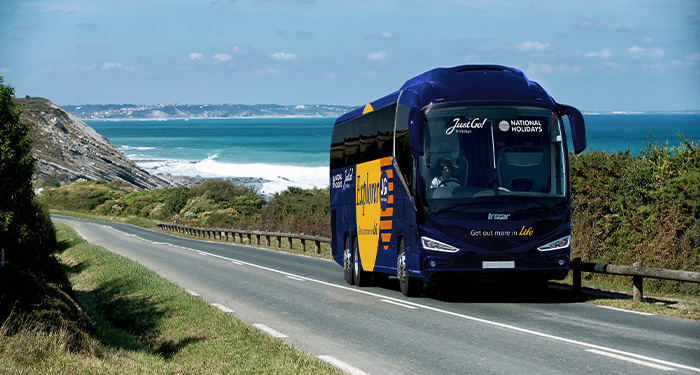

Despite ongoing challenges, the coach tourism industry is experiencing a resurgence in business, with trends indicating a promising future.
- The Coach Tourism Association (CTA) reports a strong recovery in traveller numbers, with some figures surpassing pre-pandemic levels.
- New coach tourism products are attracting a younger demographic, expanding the traditional market base.
- Operators are facing challenges such as price inflation and recruitment bottlenecks, yet demand remains robust.
- The CTA is advocating for improved services for cross-Channel travel and is preparing for the upcoming Etias visa waiver scheme.
The Coach Tourism Association (CTA) has observed a noticeable resurgence in business throughout the summer months, indicating a robust recovery in the coach tourism sector. Notably, traveller numbers have not only returned to but, in some instances, surpassed figures observed prior to 2020. This resurgence is mirrored in the positive feedback from CTA members who have expressed optimism for bookings extending into 2025.
The expansion of new coach tourism products is playing a pivotal role in broadening the market’s appeal. Traditionally dominated by an older demographic, the coach tourism industry is witnessing a gradual increase in interest from younger travellers. This demographic shift is pivotal for sustaining growth and ensuring the industry’s relevance in a changing travel landscape.
Despite this positive trajectory, operators are contending with significant challenges, including inflationary pressures and a shortfall in driver recruitment. These factors are compounded by an increase in late bookings, which typically occur within 21 days of departure and necessitate complex logistical planning with accommodation providers, attractions, and restaurants.
The popularity of European tours remains steadfast, reinforcing the need for equitable services for coaches, especially in terms of cross-Channel travel. The CTA is actively pushing for parity in service levels at ports and improved availability with Eurotunnel, addressing long-standing concerns within the industry.
An additional consideration for coach operators is the forthcoming implementation of the Etias visa waiver scheme, expected to roll out in the first half of 2025. This development is anticipated to affect travel logistics significantly, necessitating proactive planning and adaptation by operators.
Robert Shaw, chair of the CTA, remarked on the resilient nature of consumer demand, highlighting the importance of partnerships between operators, wholesalers, and suppliers to innovate and meet consumer expectations. He acknowledged the existing hurdles, such as price inflation and cross-Channel service delays, but emphasised the underlying strength of traveller resilience and willingness to prioritise travel.
Echoing this sentiment, Claire Smith, finance manager at Eastons Holidays, confirmed a significant improvement in the UK market over the last two years, stating that departure levels are now comparable to those seen before the pandemic.
The coach tourism industry’s resilience demonstrates a robust capacity to adapt and thrive amidst ongoing challenges, signalling a positive outlook for future growth.
