
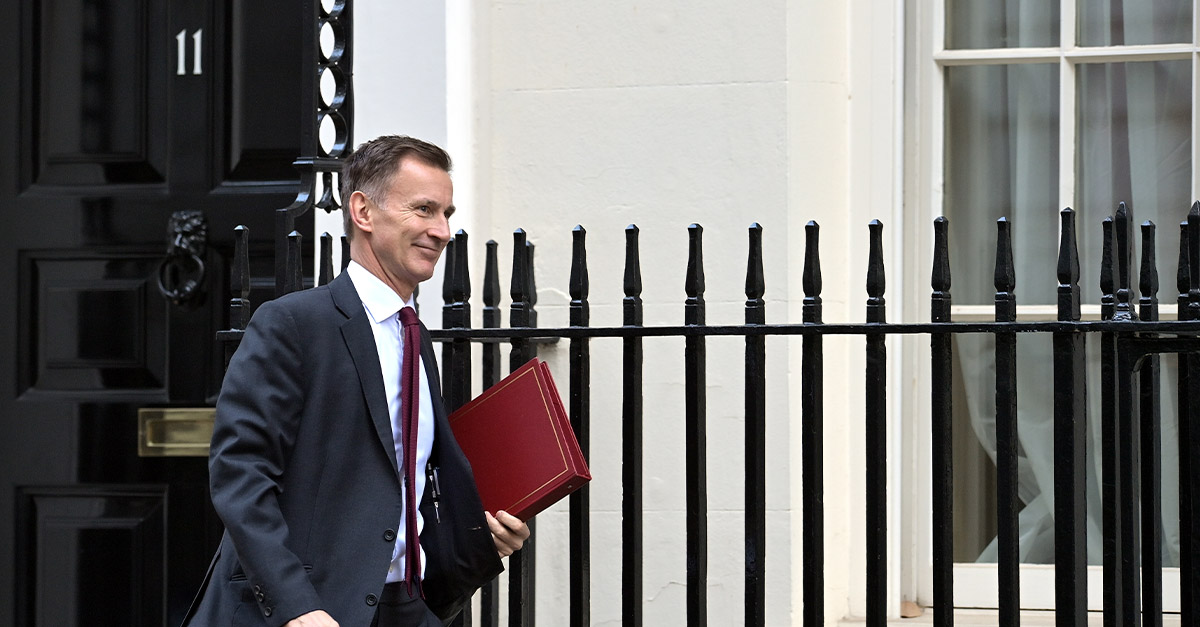

In its latest Budget submission, Abta underscores the critical importance of achieving net zero, reflecting the growing urgency within the travel industry. The association calls for policies that ensure both sustainability and economic growth, as the sector aims to align with the UK’s environmental commitments.
The Budget submission by Abta outlines key strategies to drive the travel industry’s transition towards net zero emissions. This submission not only highlights environmental concerns but also advocates for crucial financial reforms to support businesses in the sector amid evolving global dynamics.
Prioritising the Transition to Net Zero
Abta’s submission to the UK Treasury has placed a strong emphasis on the need for a cohesive transition to net zero within the travel sector. The submission calls for a comprehensive review of regulatory and taxation frameworks to support the industry’s environmental objectives. Abta stresses that such reforms are essential for creating economic opportunities and fostering job growth within the industry.
Supporting Sustainable Aviation
A significant highlight of Abta’s submission is the push for the establishment of a domestic Sustainable Aviation Fuels (SAF) industry. This includes advocating for a price certainty mechanism to expedite the UK government’s commitment to develop five SAF plants by 2025. Abta argues that these measures are crucial for reducing the aviation sector’s carbon footprint and ensuring long-term sustainability.
The development of SAF is seen as a pivotal step in mitigating the environmental impact of air travel. By supporting this initiative, Abta aims to align the aviation sector with broader environmental targets while maintaining competitive market dynamics.
Reforming Business Rates
Business rates reform is another critical aspect of Abta’s submission. It highlights the financial burdens that many travel businesses continue to face, particularly those still recovering from Covid-era debts.
Abta’s proposal seeks to alleviate these burdens by advocating for a review of existing business rate structures, which it argues are outdated and inadequately address the fiscal challenges faced by the industry.
Enhancing Youth Mobility Schemes
Abta’s submission also emphasises the importance of establishing new youth mobility schemes with EU countries. This initiative aims to address the challenges arising from post-Brexit labour mobility restrictions. Such schemes are essential for ensuring that the travel and tourism sectors can access the talent needed to thrive in a competitive global landscape.
Abta believes that these arrangements would significantly contribute to the industry’s recovery and growth, providing young professionals with opportunities that were previously available pre-Brexit.
Employers within the industry have frequently highlighted the difficulties in recruiting skilled workers, making youth mobility schemes a vital part of the longer-term strategy for economic sustainability.
The Economic Imperative
Abta’s focus on the economic role of outbound travel and tourism in the UK forms a core part of their Budget submission. The association argues that the sector is essential for the UK economy, both in terms of job creation and as a contributor to GDP. As such, ensuring a favourable policy environment is paramount.
The submission highlights the significant consumer demand for overseas holidays, positioning this as a key driver of economic activity. In doing so, Abta advocates for policies that will ensure the sector remains a robust component of the economy, capable of contributing effectively to national growth ambitions.
Abta stresses the necessity for policy continuity and governmental support to leverage the sector’s potential fully. This includes recognising and capitalising on post-pandemic travel trends and consumer behaviours.
Engaging with Policymakers
Engagement with policymakers is depicted as a crucial element of Abta’s strategy. The submission indicates that Abta is actively pursuing dialogue with the government to ensure that the needs of the travel sector are understood and addressed in upcoming policy decisions.
Luke Petherbridge, Abta’s director of public affairs, highlights the importance of representing the travel and tourism industries’ interests, particularly in the lead-up to a general election.
A Roadmap for Growth
Abta’s submission provides a roadmap for leveraging the travel and tourism sector’s potential to drive national growth and innovation.
Through strategic policy alignment and targeted industry support, Abta seeks to harness the numerous economic and environmental opportunities inherent in the push towards net zero.
Abta’s Budget submission articulates a clear vision for the travel sector’s role in the UK’s economic and environmental future. By advocating for essential reforms and strategic initiatives, Abta positions the industry as a key player in achieving the UK’s net zero goals while supporting economic recovery and growth.

