
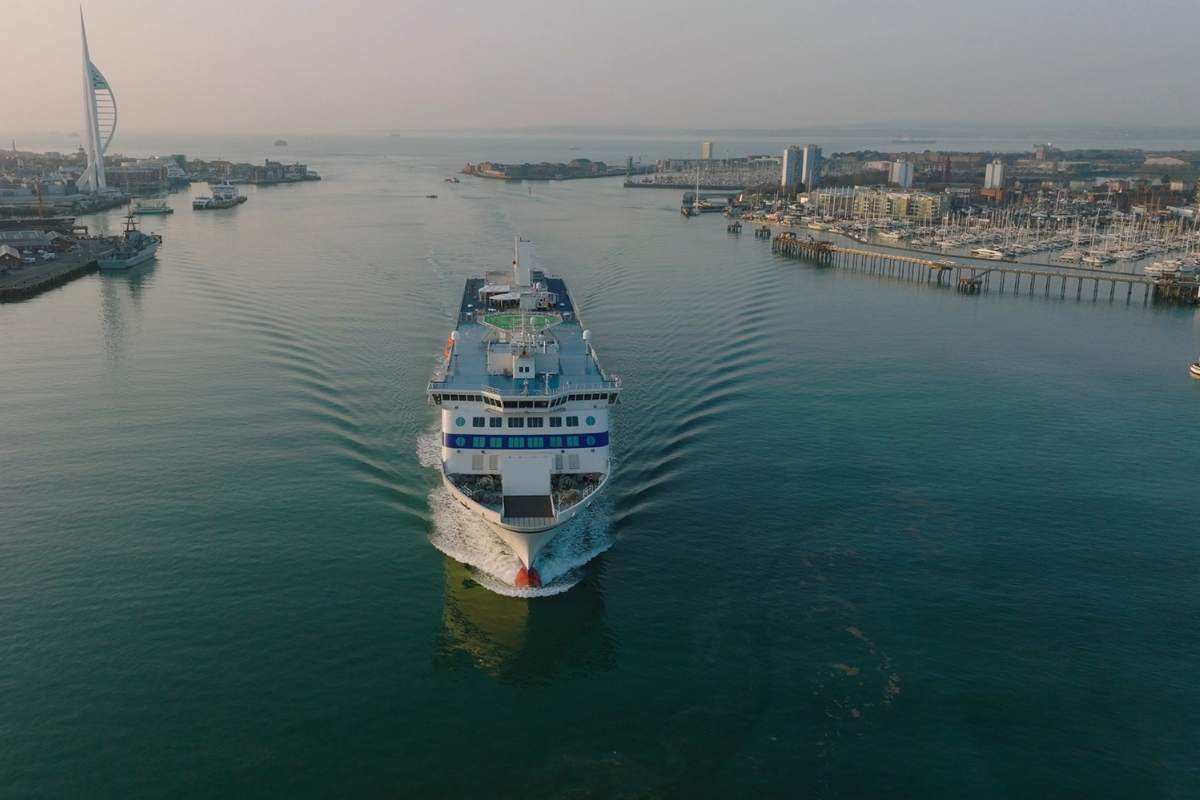

Portsmouth Port has successfully secured £19.8 million in government funding to develop an innovative shore power system.
- This groundbreaking system is part of the Sea Change project, aligning with efforts to reduce carbon emissions significantly.
- Upon completion in April 2025, the shore power system will enable cruise ships to use green electricity at the port, reducing engine usage.
- The system is anticipated to save over 20,000 tonnes of CO2 annually from 2027, equivalent to the carbon footprint of 2,500 households.
- This represents a significant stride towards Portsmouth’s ambition to achieve net carbon neutrality by 2030.
Portsmouth Port has been awarded a substantial grant of £19.8 million from the government, which will be utilised to establish a cutting-edge shore power system at three of its berths. This initiative is a part of the broader Sea Change project and represents a collaborative effort involving key stakeholders such as Brittany Ferries and the University of Portsmouth.
The implementation of this shore power facility, slated for completion in April 2025, marks a significant milestone in environmental innovation. It will enable docked cruise ships to disengage their engines and utilise green electricity for onboard systems. This development underscores Portsmouth’s forward-thinking approach to reducing the maritime sector’s environmental impact.
In concrete terms, the system is projected to annually curtail more than 20,000 tonnes of carbon dioxide emissions beginning in 2027. To contextualise, this reduction equates to the yearly carbon emissions of approximately 2,500 UK households, highlighting the project’s potential impact on mitigating climate change.
Stephen Watkyns, the technical director at Portsmouth Port, described this venture as a pioneering multi-user, multi-berth shore power facility, a first of its kind in the UK. He expressed gratitude towards the port’s team and partners for securing the approval of this transformative bid. According to him, it constitutes a major advancement towards Portsmouth’s goals of attaining net carbon neutrality by 2030 and eliminating emissions by 2050.
Additionally, Councillor Kimberly Barrett, a cabinet member for climate change and greening in Portsmouth City Council, reiterated the project’s potential to substantially reduce carbon emissions and enhance the quality of life for the local communities. She emphasised the city’s firm commitment to achieving net carbon neutrality by the next decade.
Earlier this year, as part of its strategic preparations, the port appointed Ian Diaper as deputy director. His role will be instrumental in steering the implementation of such environmentally sustainable initiatives.
Portsmouth Port’s shore power project signifies a landmark in sustainable maritime operations, laying the groundwork for a cleaner, greener future.
