
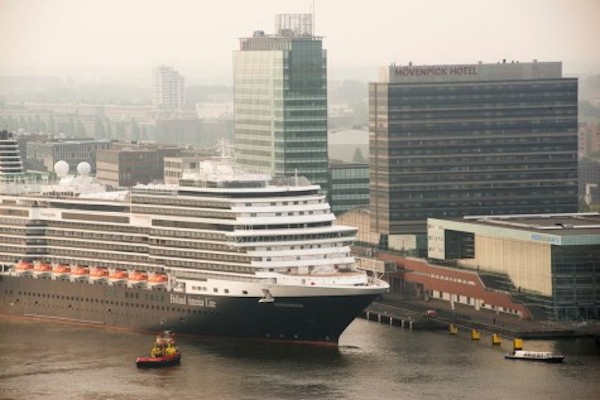

Amsterdam plans to relocate its central cruise terminal by 2035, aiming for a sustainable future.
- Cruise ship numbers will be reduced from 190 to 100 starting in 2026, reflecting a commitment to sustainability.
- Rotterdam may host over 40 ships redirected from Amsterdam as part of new docking policies.
- By 2027, ships in Amsterdam must use shore power to reduce emissions, in line with eco-friendly measures.
- The city council acknowledges potential financial impacts from the reduced tourist activity.
Amsterdam has announced plans to relocate its central passenger cruise terminal by 2035, as part of a broader initiative to control the expansion of tourism and address environmental concerns. This strategic move aligns with the city’s efforts to curtail cruise traffic in its urban areas, thus enhancing liveability and sustainability. The forthcoming changes indicate a shift in the city’s approach to managing tourist influx, with the aim of balancing economic interests and urban welfare.
Beginning in 2026, Amsterdam will significantly reduce the number of cruise ships allowed to dock at the Passenger Terminal Amsterdam, decreasing from 190 to a maximum of 100. This measure is intended to lessen the environmental burden that cruise tourism places on the city, a decision that has been met with both praise and concern. The decision underscores Amsterdam’s drive toward achieving a cleaner and more sustainable urban environment.
Alderman Hester van Buren highlighted the rationale behind these decisions, emphasising the need for a liveable and eco-friendly city. She stated, “Sea cruise is a polluting form of tourism and contributes to crowds and emissions in the city.” The council’s implementation of shore power requirements by 2027 marks a decisive step towards reducing emissions from docked ships, showcasing Amsterdam’s commitment to environmental responsibility.
In conjunction with reduced cruise traffic, Rotterdam is expected to accommodate over 40 ships that will no longer have access to Amsterdam’s terminals. This redistribution of docking activity represents a cooperative approach within the Netherlands to manage maritime tourism’s impacts, supporting both cities’ long-term tourism strategies.
Despite the environmental benefits, the city council acknowledges the potential economic drawbacks of these measures. Reduced tourist activity may lead to decreased revenue from sectors such as museums, catering, and retail, as well as lower collection of tourist taxes. However, these financial impacts are expected to be mitigated by the anticipated positive outcomes in urban quality and sustainability.
Amsterdam’s strategic relocation and reduction of cruise activities reflect its commitment to sustainability, despite economic challenges.
