

Italian airports are set to face a 24-hour strike on Monday, January 8, affecting both baggage handlers and security staff.
The strike, driven by demands for improved pay and working conditions, could lead to significant delays and disruptions for passengers.
Impending Labour Strife in Italian Airports
Next week, Italian airports are set to experience significant disruptions due to planned industrial action by various aviation personnel. The proposed 24-hour strike, spearheaded by baggage handlers and security staff, is scheduled for Monday, January 8. This coordinated effort seeks to address ongoing grievances related to pay and working conditions, highlighting broader labour tensions within the sector.
Locations Affected and Potential Impact
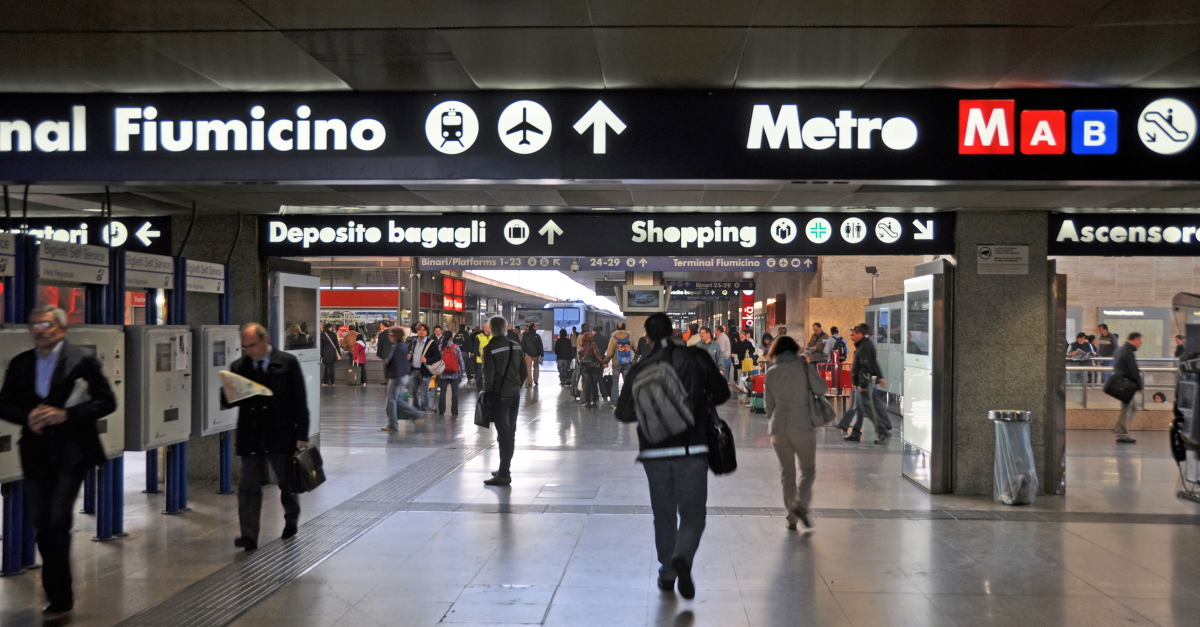
The strikes are expected to primarily impact several major airports across Italy, including Milan Linate, Milan Malpensa, Rome Fiumicino, and Venice Marco Polo. These airports serve as critical hubs, linking numerous international and domestic flights, thereby suggesting a potential ripple effect impacting travellers globally. Passengers are advised to prepare for delays at check-in and baggage collection services.
Security operations are also anticipated to experience significant slowdowns, as personnel at Rome Fiumicino, Venice Marco Polo, and other key airports join the industrial action. Travellers may face extended wait times, necessitating adjustments to travel itineraries and schedules.
Unions Call for Enhanced Conditions
Prompted by persistent demands for enhanced pay and improved working conditions, the planned strike underscores the unions’ resolve in advocating for their members. Union representatives have continually cited inadequate compensation and challenging work environments as primary motivations for the strike action. Despite previous negotiations, these issues remain unresolved, fueling discontent among the workforce.
The unions’ demands reflect a broader push for sector-wide reforms. They argue that improvements in worker conditions are essential for maintaining operational efficiency and ensuring safety within Italian airports, a critical component of the country’s transport infrastructure.
Government and Airport Authorities’ Responses
In response to the impending strike, the Italian government and airport authorities are reportedly preparing contingency plans to mitigate disruptions. While specifics remain undisclosed, these measures are anticipated to focus on maintaining vital operations and minimising passenger inconvenience. Authorities have emphasised their commitment to ensuring security and efficiency despite the industrial action.
Official statements suggest ongoing dialogue between government representatives and union leaders, yet, as of now, a resolution appears elusive. The situation remains fluid, with potential for last-minute developments to avert the strike.
Public communications from government officials stress the importance of balancing workers’ rights with the necessity of maintaining robust airport operations, acknowledging the complex dynamics involved.
Impact on International Travellers and the Aviation Sector
The planned strike is poised to challenge international airlines, potentially resulting in re-routed or cancelled flights. This situation emphasises the intricate interconnectedness of the global aviation sector and raises pertinent questions regarding labour rights and operational sustainability amidst ongoing industry pressures.
Airlines may need to engage in complex logistics adjustments to accommodate affected travellers, potentially incurring significant costs. This situation underlines the crucial role of strategic planning and adaptability within the sector.
Passenger experiences may vary, with some travellers encountering significant delays, while others may face outright cancellations. These outcomes depend on the duration and extent of the strike, as well as the efficacy of mitigation strategies employed by airlines and airport authorities.
Broader Implications for Labour Relations
This strike signals deeper underlying tensions within the labour market, notably within sectors fundamental to national infrastructure. Such actions spotlight the persistent challenges faced by workers in securing equitable conditions amidst evolving economic landscapes.
Labor disputes of this nature often serve as catalysts for broader discussions on the need for systemic reform. This particular strike may prompt re-evaluations of existing labour laws and regulations to better align with modern workforce expectations.
The outcome of this industrial action could set precedents for future negotiations and labour disputes within the aviation and other critical sectors in Italy and beyond.
Preparing for the 24-Hour Disruption
Travellers planning to fly through Italian airports on January 8 are strongly advised to check with their airlines well in advance. Ensuring flexibility in travel arrangements could mitigate potential disruptions.
Staying informed about real-time developments and having contingency plans in place can help minimise inconvenience. Travellers should be prepared for possible schedule changes or extended delays.
Conclusion
This impending 24-hour strike at Italian airports underscores critical issues in labour relations within essential transport services. While efforts to prevent significant disruptions continue, the situation highlights the need for ongoing dialogue and reforms within this sector.
The 24-hour strike scheduled at Italian airports underlines significant issues within the industry, necessitating urgent reforms and solutions.
Ensuring minimal passenger disruption remains a priority as authorities and unions navigate this complex labour landscape.
