
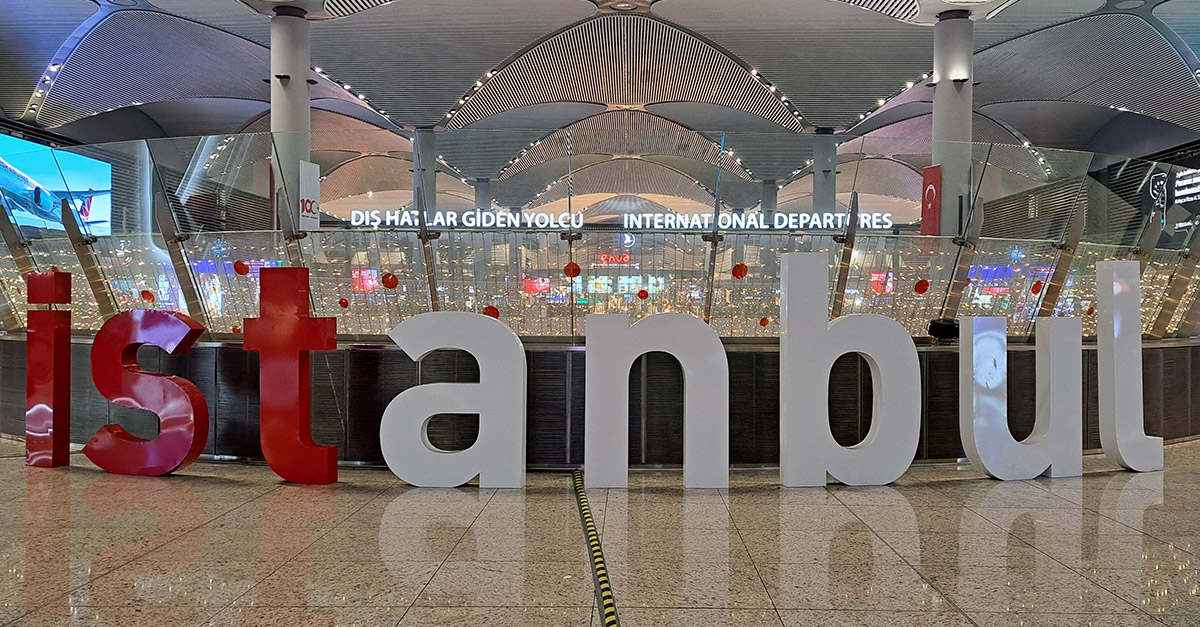

Istanbul’s strategic location and expansive network have positioned it as the most-connected airport globally, according to new data. The Turkish aviation hub surpassed renowned airports worldwide, setting a new benchmark for aeronautical connectivity.
In a data-driven analysis of the world’s airports, Istanbul emerged as the leader, offering connections to 309 destinations. The ranking places significant emphasis on the airport’s role in international travel, outpacing major European and American hubs.
Istanbul has claimed the top spot as the world’s most-connected airport, offering flights to an impressive 309 destinations. This remarkable achievement outpaces other leading hubs, creating a pivotal link in global air travel. Situated uniquely at the crossroads of Europe and Asia, Istanbul’s geographical advantage complements its extensive air network, making it a premier destination for international travellers.
The shifting dynamics of global air travel infrastructure highlight Istanbul’s rapid ascent. Both Amsterdam Schiphol and Chicago O’Hare are tied at fourth place, each hosting 270 direct flights, underscoring the competitive landscape of global air connectivity.
Moreover, Turkey’s government policies encouraging air travel industry growth have catalysed the airport’s development, ensuring a robust increase in the destinations served directly from Istanbul.
Despite Heathrow’s slip, it remains a crucial player in the European market, albeit outshone by its rapid advancements by its peers. The significance of the shift highlights the competitive nature of the European air travel sector.
The rise of these hubs affects global travel patterns, offering travellers more diverse options and fostering competition that can lead to enhanced services and better pricing for consumers.
The airport’s development strategy not only supports increased connectivity but also aims to improve passenger experience. Investments in infrastructure are expected to facilitate smoother transitions and enhance efficiency for travellers.
As Istanbul continues to expand, its impact on global air travel dynamics will likely increase, offering new opportunities for travellers and airlines alike.
Istanbul’s ascension to the top of the connectivity rankings reflects its strategic efforts in expanding its global network. This achievement not only marks a triumph for the airport but also sets a new standard for connectivity in the aviation industry.
Looking forward, Istanbul’s strategic location and comprehensive air network position it as a pivotal hub in international travel. Its continued growth is poised to further influence the future of global aviation, paving the way for increased global connectivity and collaboration.
