
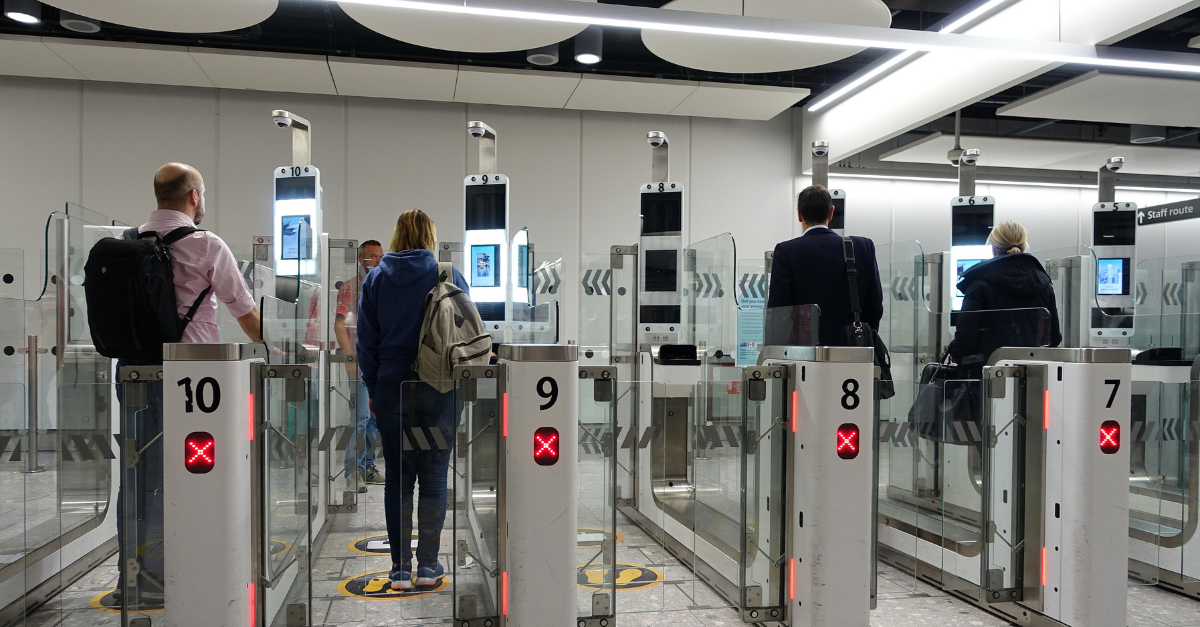

The anticipation of the EU’s Entry/Exit System (EES) introduces significant travel industry concerns.
- Scheduled for November 10, the system aims to automate border processes, affecting UK travellers.
- Aito cautions travellers about potential delays and confusion during implementation phases.
- Operators and agents are encouraged to prepare for the transition and mitigate chaos.
- Plans include extending the transition period and relaxing checks to ease passenger flow.
The European Union’s forthcoming Entry/Exit System, set to be implemented on November 10, is stirring apprehension within the travel industry. This new automated border control mechanism is designed to streamline the entry and exit process, particularly affecting travellers from the UK. Aito, the specialist travel association, has expressed serious concerns regarding the potential for substantial delays and confusion as travellers and border controls acclimate to the new system.
Despite the anticipation of improved customer experiences through automation, Aito acknowledges that there might be significant challenges during the initial phases of EES implementation. The transition is expected to increase processing times from the current 45 seconds to approximately two to three minutes per passenger. Many border control systems remain underprepared to handle the complexity of the updated procedures, which might result in unavoidable chaos at various entry points.
In response to these concerns, Aito is actively collaborating with government entities and industry groups. The goal is to raise awareness among travellers and prepare them for the impending changes. This includes identifying and addressing potential bottlenecks and ensuring contingency plans are in place. Aito has urged border control authorities to make use of precautionary measures, such as relaxing certain checks when waiting times become excessive, to manage passenger flow more effectively.
To further alleviate potential disruptions, Aito supports a governmental proposal to extend the EES transition period by an additional six months, pushing it into the peak summer travel season of 2025. This strategic extension coincides with the debut of the European Travel Information and Authorisation System (Etias), which may otherwise cause added complications.
Christina Brazier, head of industry affairs, assures that Aito’s members, including specialist tour operators and travel agents, are committed to supporting customers through these transitions. A collaborative webinar with the Foreign and Commonwealth Office is planned to brief members on the upcoming changes and to provide a platform for members to express concerns. Notably, Aito and its members will participate in the new Entry/Exit Scheme as they attend the annual overseas conference in Valladolid, Spain, from November 21 to 24. This event coincides with the introduction of EES, marking Aito’s members among the first to experience the new procedures firsthand.
The new EU Entry/Exit System poses challenges that require preparedness and strategic adjustments to minimise disruption.
