

In the face of rising global and workplace tensions, a call for ceasefire emerges.
- Fear and instability in society are mirrored within work environments, impacting productivity.
- Power struggles, unmet needs, and communication breakdowns are primary conflict drivers.
- Shifting from adversarial to collaborative mindsets is crucial for effective resolution.
- Early resolution and open dialogue can transform conflict into opportunities for growth.
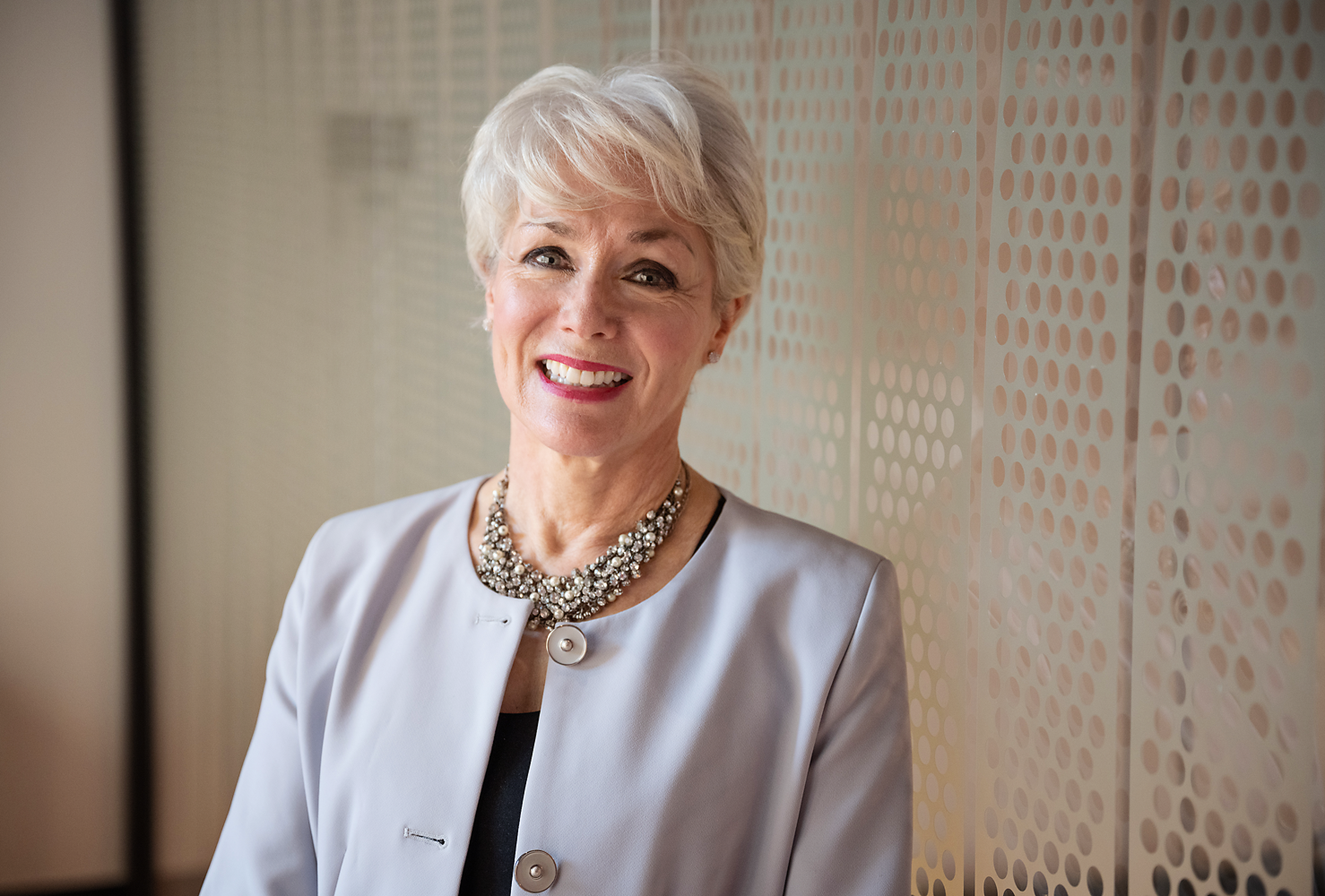
In an increasingly complex world fraught with uncertainties, such as geopolitical conflicts, economic downturns, and societal divides, workplaces are not immune to these pressures. The prevalence of fear, noted by conflict specialist Jane Gunn, mirrors societal instability in professional environments. The intense atmosphere leads to escalations, creating a climate of hostility where consensus and communication falter.
Research by LiveCareer highlights that a significant 87% of employees experience work-related fears, a statistic echoed by Acas.org.uk’s estimate that approximately 485,000 employees resign annually due to unresolved conflicts. The causes of such disharmony often trace back to power dynamics, moral righteousness, unmet personal needs, and communication breakdowns that foster a toxic work culture.
Jane Gunn advocates for a paradigm shift from adversarial approaches to collaborative interactions within the workplace. This change is not only necessary but urgent, as shown by the historical findings of the Tomorrow’s Company Inquiry, which noted adversarial mindsets as major obstacles to operational excellence. The shift requires conscious efforts to foster open and honest dialogue, encouraging diverse opinions while dispelling ignorance and rigidity.
The notion of adversaries perceiving ceasefire agreements as signs of weakness is a common misconception. In reality, such agreements necessitate foresight and courage. Early intervention to halt escalation paves the way for constructive conversations and collaborative problem-solving, transforming conflicts into opportunities for mutual benefit and understanding. This approach aligns with preparing for dialogue instead of confrontations.
Conflict, often perceived negatively, contains the potential for positive outcomes if approached as a catalyst for change. It provides a chance for co-creation by resolving underlying issues that typically stem from neglected conversations. Leaders are urged to abandon rigid scripts and foster environments that prioritise mediation skills and open dialogues, enabling organisations to thrive amidst challenges.
The journey to a workplace ceasefire involves recognising that most conflicts originate from poorly handled or non-existent conversations. By adopting a proactive stance toward communication and resolution strategies, organisations can lighten the emotional and operational burdens of conflict, ultimately leading to a more liberating and productive work environment.
A strategic shift towards collaboration and open dialogue is essential for defusing workplace conflicts and fostering growth.

