

Expedition cruise destinations are shifting focus to warmer climates, promising growth next year.
- The Seychelles, Africa, and the Galapagos Islands are predicted to be key regions of interest.
- New itineraries are emerging to accommodate rising demand for warmer locales.
- Traditional colder destinations like Antarctica and Alaska remain integral to growth strategies.
- Varied booking patterns and increased trade events are shaping the industry’s future.
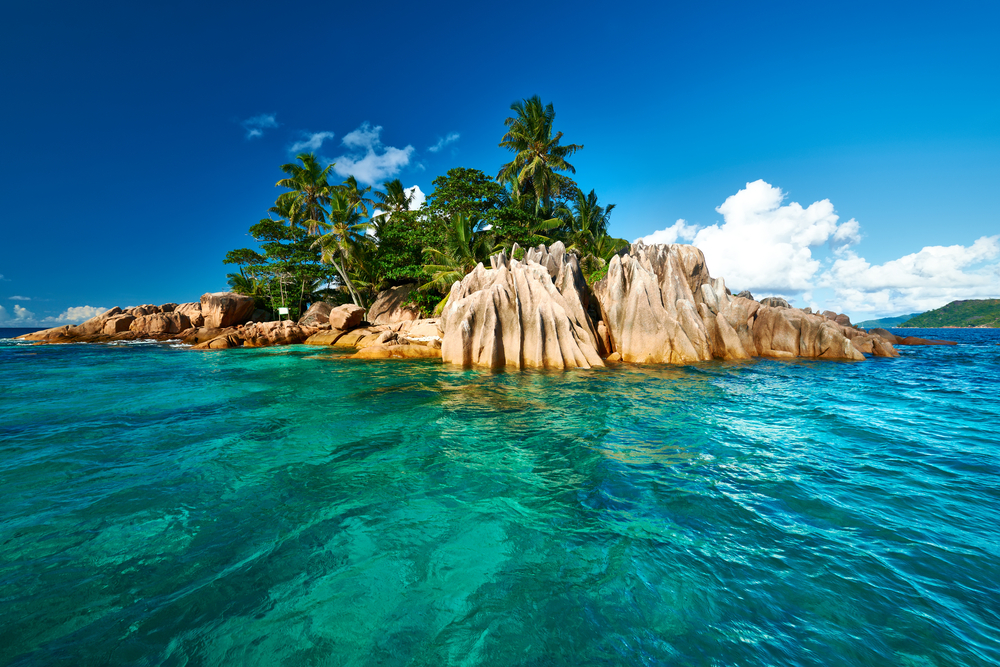
The expedition cruise industry is poised for a significant shift towards warmer destinations, as noted by the inaugural Expedition Cruise Network (ECN) Conference held in London. Industry insiders predict that regions such as the Seychelles, Africa, and the Galapagos Islands will see substantial growth in 2025. This development comes amidst renewed interest in the Galapagos following a dip due to Ecuador’s State of Emergency earlier in 2024, highlighting the region’s resilience and appeal to travellers.
The increasing demand for warmer destinations is being met with an influx of new itineraries. Companies like Swan Hellenic and Aqua Expeditions are incorporating Africa into their expedition cruise itineraries for the coming year. The Seychelles, already known for its allure, is set to see more itineraries in 2025, alongside the Pacific, presenting itself as an emerging hotspot for warm water expedition cruising.
Despite this shift towards warmer climates, traditional expedition cruise destinations are not being sidelined. The ECN has identified Antarctica, the Arctic regions, Svalbard, Alaska, and Greenland as areas expected to see the most significant growth by 2025. These regions continue to capture the imagination of adventurers and play a critical role in the cruise industry’s long-term strategy.
The business landscape within the UK remains robust, with ECN members reporting consistent or increased bookings compared to the previous year. Growth rates range from five to 40 per cent, showcasing the sector’s vitality despite broader economic challenges. Industry players are also ramping up trade events to enhance expertise among travel professionals, with each member hosting an average of 32 professionals on board in the past year.
The booking window for expedition cruises averages nine months, though booking behaviours vary significantly, ranging from last-minute to two years in advance. ECN’s CEO, Akvile Marozaite, emphasizes the unique position of expedition cruises in opening up polar regions and suggests that warm weather expeditions are just beginning to capture consumer interest and enthusiasm.
As the expedition cruise industry evolves, balancing warmer and traditional destinations will be key to sustaining growth and meeting diverse traveller interests.
