
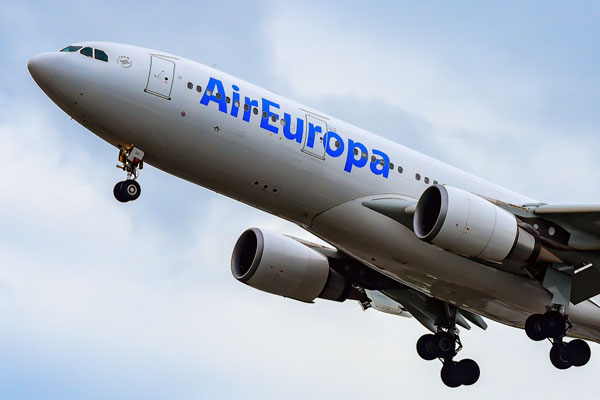

International Airlines Group (IAG) has called off its acquisition of Air Europa for the second time, citing regulatory challenges in the European Union as a decisive factor.
The decision was announced following the release of IAG’s half-year results, with a €50 million break fee to be paid to Globalia, Air Europa’s owner.
Regulatory Challenges in the EU
International Airlines Group, the parent company of British Airways and Iberia, has once again halted its efforts to acquire Spanish carrier Air Europa from Globalia. The decision underscores the ongoing complications posed by the current regulatory environment in the European Union, which have proved insurmountable for the group’s expansion plans. This termination marks the second such instance, highlighting persistent obstacles in large-scale aviation mergers within the EU.
The group revealed its decision as the European markets closed, coinciding with the announcement of its half-year financial results. IAG had initially aimed to acquire a substantial 80% stake in Air Europa, a deal valued at €400 million. However, regulatory approvals have been a significant hurdle, with the EU’s competition watchdogs expressing potential objections to the agreement.
Historical Context of the Acquisition Attempts
This attempted acquisition was not IAG’s first. Originally, IAG had signed an agreement to buy Air Europa for €1 billion in 2019, before the COVID-19 pandemic struck. The onset of the pandemic and subsequent regulatory hesitations led to an abandonment of the plan in 2021.
The European Commission was primarily concerned about competition issues, specifically regarding domestic and international routes in and out of Spain. Despite initial interest and financial commitment, with a €100 million loan converted into a 20% equity share in Air Europa in 2022, the regulatory landscape remained largely unchanged.
When IAG revisited the acquisition in 2023, it highlighted the strategic benefit of strengthening its foothold in the Latin American and Caribbean markets. However, the consistent regulatory scrutiny has continually thwarted these efforts, despite the group’s commitment to expanding its Madrid hub.
Strategic Implications for IAG
The termination of the Air Europa acquisition deal holds significant strategic implications for IAG in the competitive airline sector. IAG’s strategic vision aimed at consolidating its hub in Madrid to rival major European airports, continues to face setbacks, impacting its regional positioning. The deal was intended not only to bolster connections between Europe and Latin America but also to enhance short-haul network efficiency.
Luis Gallego, IAG’s CEO, affirmed that the decision aligns with shareholder interests, indicating an adaptive strategic stance amid challenging conditions. The company plans to intensify efforts to develop the Madrid hub independently, enhancing its competitive capabilities without the acquisition.
Gallego’s strategy for Madrid was rooted in developing it as a key gateway to Latin America and Europe, tapping into new markets despite regulatory hurdles. This determination reflects IAG’s intent to fortify its position as a top-tier competitor in the European aviation landscape.
Financial Repercussions and Shareholder Perspectives
Financially, IAG will incur a €50 million break fee as a consequence of terminating the agreement with Globalia. This cost, while substantial, reflects a calculated decision by the Board of Directors, influenced by the potential risks of proceeding amid regulatory uncertainty.
The Board’s assessment that the acquisition was ‘no longer probable’ suggests a cautious yet decisive approach to safeguarding shareholder interests. By avoiding an uncertain merger, IAG aims to mitigate potential financial strains that could arise from prolonged regulatory conflicts.
These considerations underscore the complex financial landscape IAG navigates, balancing ambitious growth strategies with the practicalities of regulatory compliance and market conditions.
Future Prospects Without Air Europa
The future of IAG without Air Europa involves strategic recalibration, focusing on organic growth and possibly seeking alternative acquisition targets that align more closely with current regulatory frameworks.
Luis Gallego emphasised IAG’s ongoing commitment to its strategic objectives, despite setbacks. The group intends to leverage its existing assets and explore new ventures to maintain competitive advantage.
Without Air Europa, IAG will likely explore innovative approaches to expand its influence across new routes and markets, adapting to the evolving regulatory and operational landscape.
Despite the hurdles, IAG remains resolute in enhancing its presence in the European and Latin American aviation markets. Future endeavours will undoubtedly require navigating similar regulatory environments with enhanced diligence and strategic planning.
IAG’s Continued Commitment to Its Strategy
Even as the acquisition falters, IAG’s commitment to its strategic vision for growth remains unwavering. According to Gallego, the focus will remain on competing effectively from its Madrid hub, and expanding its network to rival Europe’s major airport hubs.
The group’s ongoing development of its operations in Madrid highlights its determination to strengthen its market position, despite the setback of the non-materialised deal. This approach underscores a robust strategy that adapts to evolving market conditions.
By maintaining a stronghold in Madrid and building on its existing network, IAG aims to secure a competitive edge over other European airline conglomerates.
Regulatory Environment and Market Dynamics
The case of IAG and Air Europa underscores the complex regulatory challenges facing airline mergers within the EU. Regulatory bodies continue to scrutinise mergers to prevent reduced competition and ensure consumer interests are protected.
The cessation of IAG’s pursuit of Air Europa illustrates the intricate regulatory barriers that can inhibit significant mergers within the aviation sector. Nevertheless, IAG remains strategically focused on strengthening its regional hubs, particularly in Madrid, to ensure future growth and market competitiveness.
