
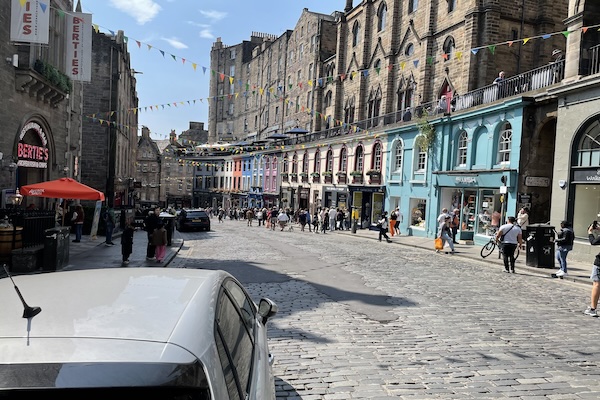

Edinburgh’s proposed tourist tax is under scrutiny as stakeholders voice concerns over its potential impact. The city council aims to raise significant revenue through this levy, but industry experts warn of potential risks.
- The Edinburgh City Council plans to implement a new visitor levy starting from July 2026, expecting to generate substantial revenue.
- UKHospitality Scotland has expressed apprehensions about the impact of increased costs on visitors and businesses.
- The levy will apply to various paid accommodations with the potential expansion to include cruise ships in the future.
- Revenue from the levy is intended to be reinvested into initiatives that benefit both residents and visitors.
The Edinburgh City Council has outlined a tourist tax set to roll out in the summer of 2026. This initiative, supported after rigorous campaigning, is designed to levy a 5% charge on overnight stays across various accommodation types, including hotels and short-term rentals. The objective is to establish a sustainable funding source that can potentially yield up to £50 million annually by 2028-29. However, this proposal includes room for public consultation, with a 12-week period scheduled to gauge whether the levy should be adjusted.
While the council views this development as an economic boon, particularly during peak festival seasons like August, UKHospitality Scotland has raised red flags about the financial burdens it imposes. Leon Thompson, Executive Director, highlighted that the levy could escalate costs for tourists significantly, thereby affecting Edinburgh’s allure as a top-tier destination. He urged caution in setting the levy rate to prevent adverse impacts on the city’s tourism and hospitality sectors.
The scope of this levy is fairly expansive, covering most forms of paid accommodation. However, future expansions might see it applying to cruise ships, as the city evaluates how to enhance its tourism management. The funds accrued are earmarked for reinvestment into various civic benefits, including housing, infrastructure, and city marketing, indicating a direct attempt to balance resident needs with tourist influx.
Council Leader Cammy Day has championed this scheme as a pioneering move in the UK, calling it a ‘once in a generation opportunity’ for Edinburgh. He stressed that with the potential to raise significant funds, especially during key cultural events, there will be increased capacity to invest in the city’s infrastructure and alleviate tourism pressures, ensuring that the cultural riches of Edinburgh remain accessible and well-preserved.
Despite the concerns, some industry figures, like Edinburgh Hotels Association’s Neil Ellis, have voiced support, recognising the levy as a strategic investment into Edinburgh’s touristic promise. He believes that by enhancing visitor services and facilities, the levy could reinforce Edinburgh’s global standing as a must-visit locale.
The Edinburgh tourist tax proposal is a bold initiative with potential benefits and challenges, requiring careful consideration from all stakeholders involved.
