
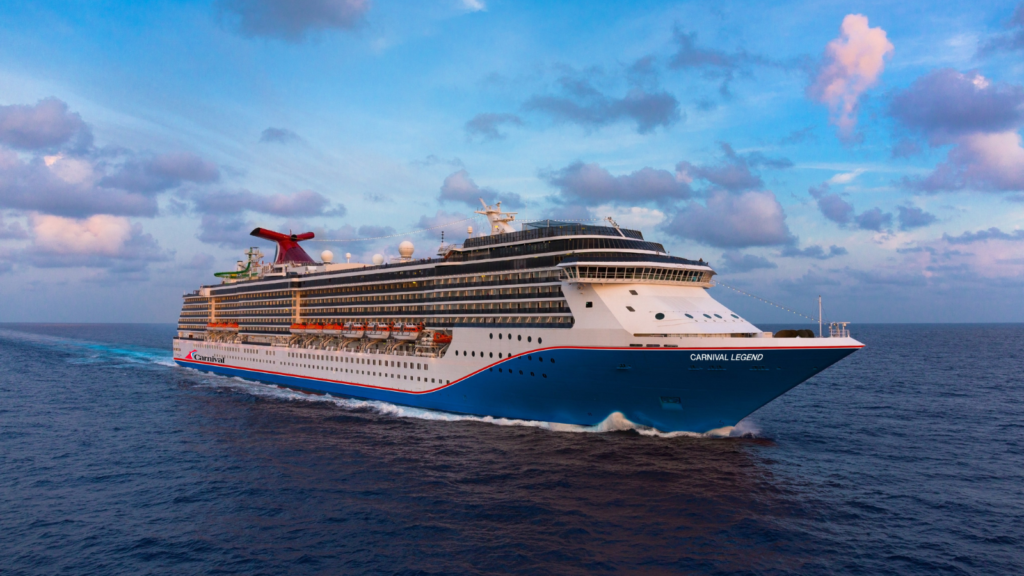

Carnival Corporation is set to expand its fleet with the addition of three new 8,000-passenger ships, indicating continued growth in the cruise industry.
- The ships, powered by liquefied natural gas (LNG), mark Carnival’s commitment to sustainable cruising, with advanced technologies reducing environmental impact.
- Construction of these vessels will be undertaken by Fincantieri in Italy, signifying the largest ships ever built by the shipbuilder.
- Scheduled for delivery in the summers of 2029, 2031, and 2033, these ships align with Carnival’s strategy of steady capacity growth.
- CEO Josh Weinstein highlights the disciplined approach to fleet expansion, adapting to high demand while maintaining economic efficiency.
Carnival Corporation is expanding its fleet with an order for three new vessels, each accommodating up to 8,000 passengers. This development underscores the corporation’s focus on growth within the cruise industry, reflecting a robust demand for cruise travel. These ships will be powered by liquefied natural gas (LNG), demonstrating Carnival’s commitment to environmentally sustainable practices. With construction set to take place by Fincantieri in Italy, these ships will stand as the largest ever constructed by the renowned shipbuilder.
The strategic decision to use LNG power is part of Carnival’s broader effort to integrate advanced energy efficiency and emission reduction technologies into its fleet. These measures represent a clear focus on reducing the company’s environmental footprint, aligning with global trends towards sustainable tourism. Once operational, these ships will constitute a significant portion of the Carnival Corporation’s LNG-powered fleet, expected to comprise nearly 30% of its total capacity post-2033.
Fincantieri, an established name in shipbuilding, will oversee the construction of these new ships. Known for its expertise and innovation, Fincantieri’s involvement highlights the significance of this project in the maritime industry. The ships’ design is anticipated to set new benchmarks in terms of size and capacity, marking a milestone both for the shipbuilder and Carnival Corporation.
Planned deliveries in the summers of 2029, 2031, and 2033 reflect a calculated approach to capacity expansion. This schedule allows Carnival to adapt gradually to the rising demand for cruise travel, ensuring that the company maintains its market position as a leader in the cruise industry. Such strategic foresight is indicative of Carnival’s commitment to seizing opportunities in high-demand areas while adhering to a responsible capital strategy.
CEO Josh Weinstein has articulated the rationale behind this expansion, emphasising a disciplined approach towards fleet growth. By spacing out new deliveries between 2025 and 2033, Carnival aims to achieve an average annual growth of 1.5% in capacity. Such a measured strategy ensures that Carnival can efficiently allocate resources to its highest-performing brand lines, leveraging market demand for optimal returns.
These strategic developments mark a significant milestone in Carnival Corporation’s growth trajectory, combining sustainable practices with measured capacity expansion.
