
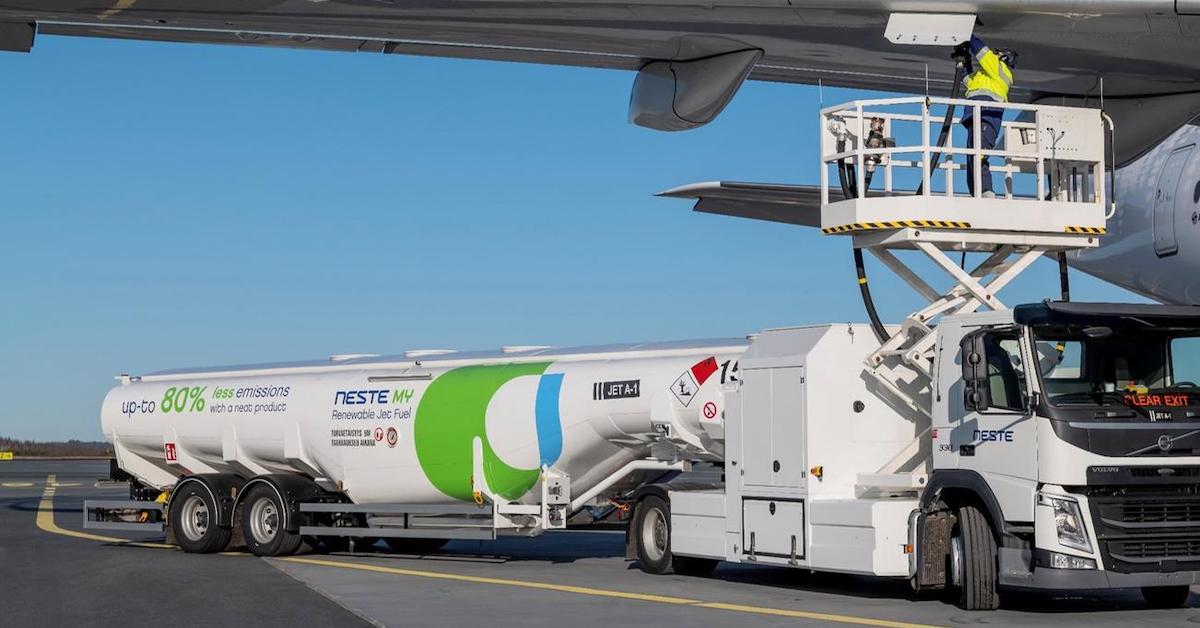

The European Commission remains committed to its sustainable aviation fuel (SAF) targets despite industry criticisms. In a recent summit, officials reinforced the importance of a strategic SAF implementation plan.
The aviation sector is urged to adapt, although airline executives stress the need for incentives and supportive policies to achieve these ambitious environmental targets.
The European Commission’s Stance on SAF
The European Commission (EC) continues to stand firm on its sustainable aviation fuel (SAF) mandate, aiming for 6% of airline fuel to be SAF by 2030. During a recent summit in Brussels, Rachel Smit, representing Transport Commissioner Adina Valean, emphasised the long-term importance of this target. She noted that fuel manufacturers face penalties if they fail to comply, highlighting the EC’s commitment to this environmental goal.
Industry Leaders Express Concerns
Airline executives have expressed significant concerns regarding the lack of incentives to bolster SAF production. Luis Gallego, CEO of IAG, stated that the airline is fully committed to decarbonisation, however, pointed out the geographical imbalance where the majority of SAF investments occur. He questioned the feasibility of achieving the 6% target by 2030, given the current infrastructure limitations in Europe.
Additionally, Jet2’s CEO, Steve Heapy, echoed these concerns, highlighting the airline’s dependence on other bodies to achieve the desired SAF targets. Despite proactive measures, Heapy indicated that the gap between demand and actual supply remains substantial.
Challenges in SAF Production and Supply
Industry leaders, such as Carsten Spohr of Lufthansa Group, stress the underlying issue of SAF supply, recognising that less than 1% of aviation fuel currently consists of SAF. He elaborated on the exorbitant costs associated with SAF production, suggesting that the current price is fivefold compared to standard aviation fuel.
Jack Chambers, Ireland’s transport and environment minister, also acknowledged the pressing need for enhanced incentives to meet SAF targets. His remarks pinpoint Europe’s comparative sluggishness in SAF advancements, underscoring the need for robust action.
Michael O’Leary of Ryanair highlighted the mismatch in funding allocation, arguing for the use of aviation taxes to support European SAF initiatives.
Evaluating the Need for Incentives
The airline industry collectively urges European authorities to redirect funds from emissions trading and environmental taxes towards incentivising SAF production. Johan Lundgren of EasyJet stated that available environmental taxes should be strategically utilised to foster a supportive landscape for SAF advancement.
The call for policy improvements supports the sentiment that without adequate financial and legislative backing, achieving the mandated SAF goals remains improbable.
Proposed Solutions and Strategic Moves
Among the proposed solutions is a plea for policy reform. The suggestion is clear: ringfence revenues from environmental taxes for SAF development. This approach, while complex, hints at a more sustainable funding mechanism for the industry.
Airline representatives argue for increased collaboration between the Commission and member states to facilitate local SAF production, which remains pivotal in balancing the industry’s carbon footprint.
Government’s Role and Responsibility
The debate underscores the essential role of governments in bridging the SAF gap. Without their intervention, the discrepancies between SAF demand and actual availability will persist.
Rachel Smit reassured stakeholders of future incentives, metaphorically referring to them as “carrots” to accompany the current “sticks” of penalties. However, the timeline and scale of such incentives remain undefined.
Concluding Remarks on the SAF Mandate
The European Commission’s SAF mandate remains a crucial yet contentious subject within the aviation industry.
The path to widespread SAF adoption is turbulent, marked by the need for concerted efforts between governments and industry stakeholders.
While the EC’s stance is unwavering, sustainable progress hinges on effective policy incentives and infrastructural enhancements across Europe.
