
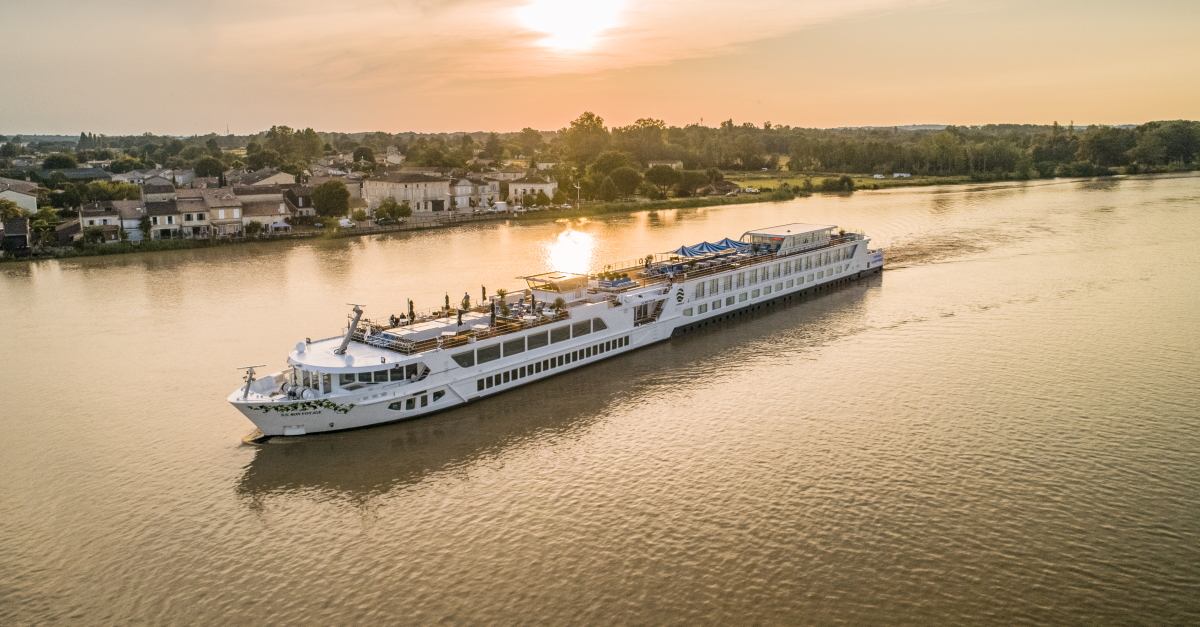

The Travel Corporation (TTC) and Uniworld Boutique River Cruises have disclosed their third annual sustainability report.
- A strategic allocation of $1.88 million funding targeted 13 decarbonisation projects over the past year.
- Efforts focused on reducing carbon emissions include the complete switch to renewable electricity for select properties.
- Uniworld’s initiatives led to a significant 36% reduction in food waste.
- Partnerships with universities and organisations are part of their journey towards achieving net zero emissions.
The Travel Corporation (TTC) and Uniworld Boutique River Cruises have released their third annual impact report, highlighting substantial strides in sustainability achievements. This report underscores the company’s unwavering commitment to advancing environmental responsibility, diversity, equity, and inclusion (DEI).
In a remarkable move towards decarbonisation, the report reveals a strategic allocation of more than $1.88 million towards 13 distinct projects aimed at reducing carbon emissions. This funding is part of TTC’s broader effort to understand and mitigate its carbon footprint, having meticulously measured emissions from over 700 trips to chart a course for optimal impact reduction.
Noteworthy is the complete transition of electricity sources to renewable energy for properties utilised by Contiki in France, Austria, and the head office in London, supplemented by the procurement of 100% local and organic food supplies. Such initiatives are a testament to TTC’s forward-thinking approach and its dedication to sustainable practices.
As part of the continuous evolution of its fleet, Uniworld’s implementation of a specialised tracking system in 2021 has yielded a 36% reduction in food waste by 2023. The company has also significantly reduced reliance on external laundry services, cutting down on transports by 24 tonnes within the same period.
Collaborations play a crucial role in Uniworld’s sustainability journey. They have engaged with renowned institutions such as Delft University of Technology through the ‘Path2Zero’ initiative, which seeks to define viable pathways for the inland shipping industry to achieve net zero emissions by 2025. This involves applying for EU funding to support decarbonisation efforts in the river cruise sector.
Additionally, the company is exploring the operational viability of using Hydrotreated Vegetable Oil (HVO) as a diesel alternative in partnership with Atlas Reizen, targeting about half of its transport-related itineraries. This progressive step is indicative of their proactive stance on reducing emissions where feasible.
On the DEI front, all Uniworld employees have signed a universal code of conduct, illustrating a collective commitment to uphold high ethical standards. Furthermore, a new hospitality school offers comprehensive training, equipping staff with better skills in food and beverage as well as housekeeping roles.
TTC’s Chief Sustainability Officer, Shannon Guihan, echoed the sentiment of persistent progress, stating: “This third impact report makes two things abundantly clear – we are not standing still, and yet there remains an incredible amount of work to be done.” Uniworld’s sustainability officer, Julie Higgins, affirmed that their sustainability efforts are integral to their identity, ensuring accountability through public progress updates.
The 2024 sustainability impact report from TTC and Uniworld marks a significant step forward in their commitment to environmental and social responsibility.

