
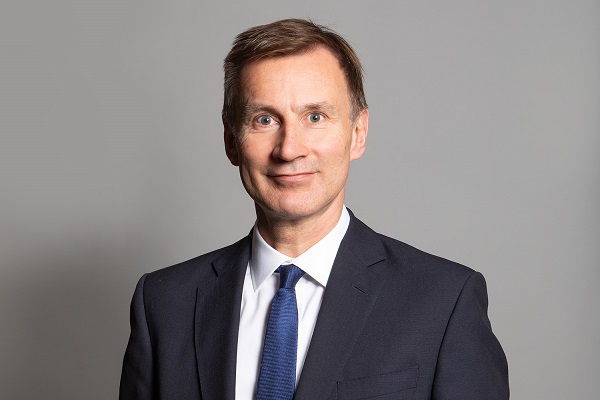

Chancellor Jeremy Hunt has unveiled significant modifications to the national insurance rate, aimed at reducing financial burdens on workers. This decision marks a continuation of efforts to stimulate economic growth.
National Insurance Reduction
The announcement from Chancellor Hunt confirmed a 2p cut in the national insurance rate for employees, shifting from 10% to 8%. This adjustment is projected to save the average employee £451 annually and offer a £350 benefit to self-employed individuals. This follows a similar 2p reduction introduced in the previous Autumn Statement, which took effect in January.
From 5 April, workers across the board will experience this decrease, providing financial relief. As economic pressures mount, the reduction is expected to stimulate both consumer spending and savings, offering a much-needed boost to disposable income.
Implications for Air Passenger Duty
However, the Chancellor’s speech was not without concerns for the travel industry. A one-off adjustment in Air Passenger Duty (APD) on non-economy flights was also revealed, posing potential challenges for the leisure and business travel sectors. Notably, short-haul economy flights remain unaffected by this change.
April’s forecasted APD rates for flights within Europe persist at £13 for economy and £26 for premium or business class. Domestically, these rates are £7 and £14 respectively. Medium and long-haul flights will see an increase of £1 and £2 in economy and business categories.
Impact on Long-Haul Travel
Long-haul economy fares in the band B tax rate will incrementally rise by £2 to £90, while band C rates will increase to £94. This escalation affects flights exceeding 5,500 miles, encompassing destinations such as Buenos Aires, Bangkok, and Cape Town.
For premium fares, band B rates will elevate to £216, and band C to £224. This adjustment underscores the government’s effort to balance fiscal requirements with environmental considerations, as higher fees target less sustainable travel options.
The change, scheduled for April 2025, gives airlines and travellers time to adjust, though the industry foresees potential impacts on long-haul travel demand.
Tax Policy Adjustments
The Chancellor’s budget also tackled tax policy, notably abolishing the furnished holiday lets scheme, which previously allowed second homeowners tax reliefs when renting to holidaymakers. This move aligns with the government’s broader strategy to tax wealth and property more equitably.
Simultaneously, Hunt extended the ‘full expensing’ scheme for leased assets, a decisive step aimed at encouraging business investments. This initiative offers significant tax reductions for businesses, potentially fostering capital expenditure.
Economic Outlook and Forecasts
Despite the lack of reference to the UK’s economic contraction in the latter half of the previous year, Chancellor Hunt conveyed the Office for Budget Responsibility’s optimistic projections. The economy is expected to grow by 0.8% this year, rising to 1.9% next year.
These figures suggest a 0.5% improvement over forecasts made last autumn, indicating a cautiously optimistic outlook for recovery. Businesses and consumers alike are urged to prepare for gradual economic improvements amidst ongoing challenges.
Responses and Reactions
Labour leader Keir Starmer criticised the budget, describing it as a last-ditch effort by a faltering party. His remarks reflect a broader opposition view that the measures may not sufficiently address underlying economic issues.
While some industry leaders welcomed aspects like the freeze on fuel and alcohol duties, others remained sceptical about the broader economic impacts. The business community continues to assess the long-term implications of the budget.
Conclusion
Chancellor Hunt’s budget delivers both relief and new challenges, blending fiscal prudence with stimulus measures. As stakeholders digest these changes, the true impact on the UK economy will unfold over the coming months.
The Chancellor’s announcements encompass both opportunities and challenges as the UK navigates through economic complexities. Only time will reveal the full impact of these fiscal decisions on businesses and individuals.
