
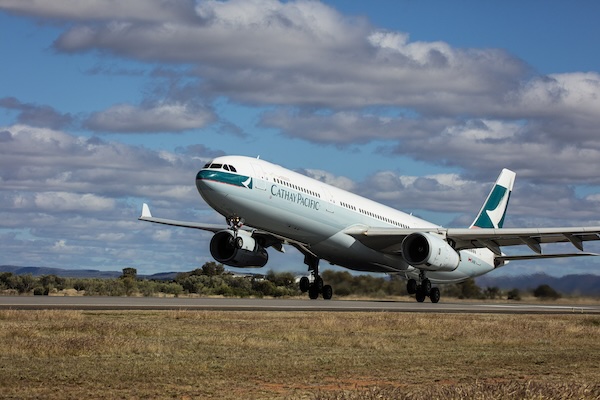

Cathay Pacific marks a significant milestone with the return of its 85th aircraft, an Airbus A330, parked during the pandemic. After nearly four years in the Australian desert, the aircraft has undergone extensive maintenance checks in Hong Kong.
The reactivation is part of Cathay’s larger strategy to restore and enhance its operational capacity. This initiative underscores the airline’s resilience and commitment to future growth, positioning itself strongly in the increasingly competitive aviation sector.
Cathay Pacific has announced the return to service of its 85th aircraft, parked during the pandemic. The Airbus A330, parked almost four years ago in the Australian desert, marks the final aircraft in the fleet set for reactivation. The aircraft was originally grounded in July 2020, a time when global air travel nearly halted due to Covid-19.
During the height of the pandemic, Cathay Pacific, along with its regional arm HK Express, parked the majority of its fleet at several locations, including Hong Kong, Alice Springs, and Ciudad Real. The reactivation process was a massive endeavour, involving numerous maintenance checks to ensure airworthiness. A unique 14-day preservation check was conducted upon the arrival of each aircraft in the desert, followed by routine inspections.
Over 16,000 checks occurred in Alice Springs alone, accumulating approximately 800,000 labour hours in preservation and reactivation work. Significant resources were mobilised, including the shipment of over 40,000 parts from Hong Kong. The operations were bolstered by a dedicated quality assurance team conducting more than 2,000 audits, ensuring the highest standards of maintenance.
Reacting to the complex challenge, Cathay’s Chief Operations and Service Delivery Officer, Alex McGowan, described the task as a ‘once-in-a-lifetime’ undertaking. He highlighted the intricacies of safeguarding grounded aircraft and successfully bringing them back into service. Bob Taylor, Engineering Operations General Manager, emphasized the rigorous reactivation checks required to assure the safety and readiness of each aircraft.
With the reunification of its fleet, Cathay now focuses on future investments, having over 70 new aircraft on order with rights to acquire 52 more. The company explores options for new mid-size widebody aircraft, reflecting confidence in Hong Kong’s aviation hub bolstered by the upcoming Three-Runway System. This infrastructure development is expected to enhance Cathay’s operational capacity further.
Cathay’s operation was supported by teams worldwide, who played a crucial role in maintaining and preparing the aircraft. Their efforts ensured the safe return of these essential assets. The collaboration showcased the remarkable capability and resilience of Cathay’s global workforce, marking a significant achievement in the company’s history.
Cathay Pacific’s strategic efforts in reactivating its fleet highlight a monumental achievement in aviation management. The airline’s commitment to future growth and investment signals a robust recovery and expansion plan, setting a strong foundation for future developments in the airline industry.
The reactivation of Cathay Pacific’s final grounded aircraft symbolizes a pivotal recovery phase for the airline. The meticulous process and strategic investments made showcase the company’s dedication to maintaining excellence in aviation.
With a focus on future expansion and improving its fleet, Cathay Pacific is well-positioned to navigate post-pandemic challenges and opportunities. The airline’s continued confidence in growth underscores its prominent role in the global aviation landscape.
