
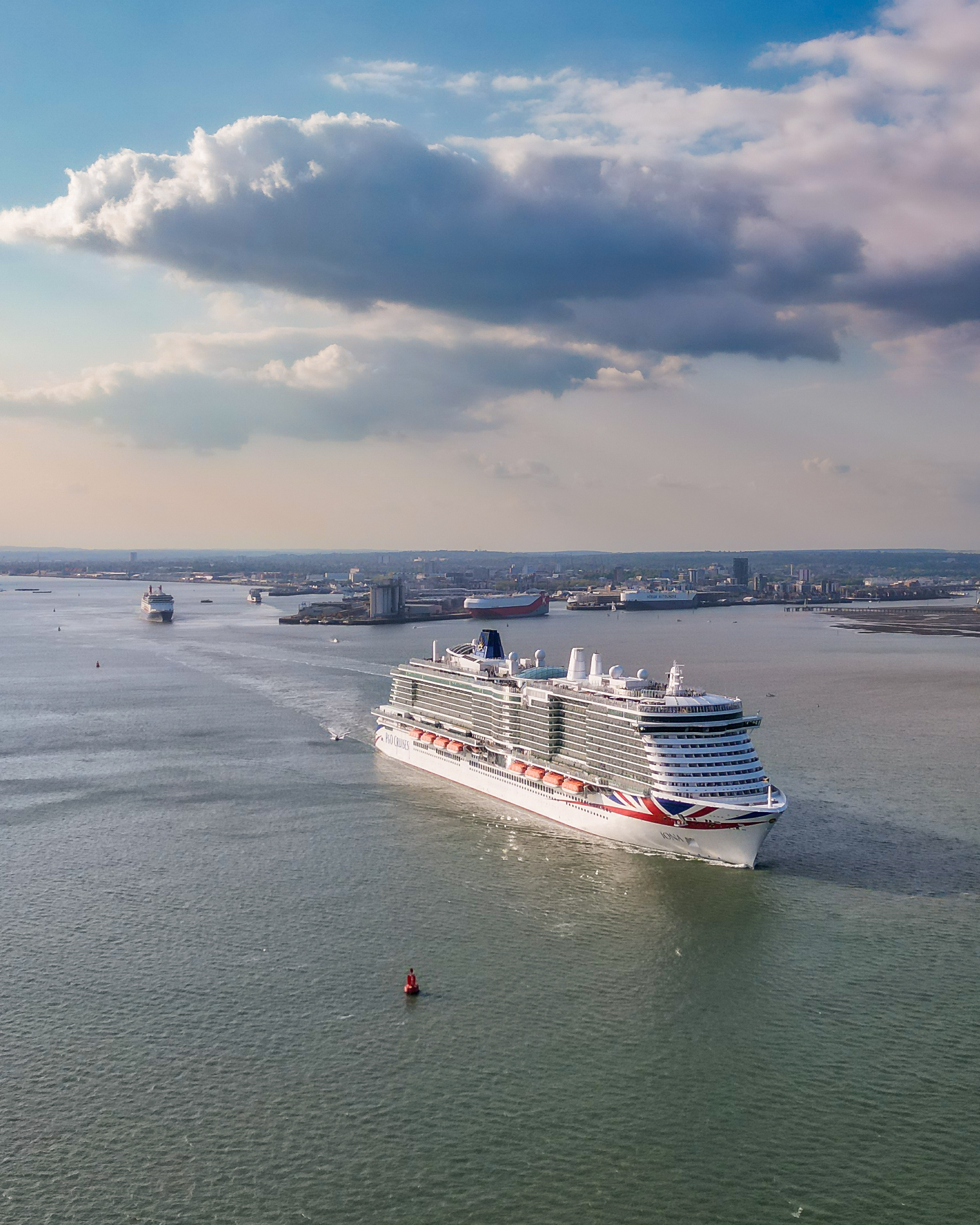

Southampton Port experienced an unprecedented surge in cruise ship calls in May, marking a significant milestone in its maritime operations.
- More than 400,000 passengers utilised Southampton as a cruise gateway during May.
- The port recorded 71 cruise ship visits, involving 26 different ships.
- A fifth of the visiting cruise ships harnessed shore power, enhancing environmental sustainability.
- Southampton Port is on track to exceed its economic impact from 2023, with substantial benefits for the local economy.
In an exceptional display of maritime activity, Southampton Port welcomed over 400,000 cruise passengers in May. This remarkable figure underscores Southampton’s pivotal role as a leading hub in the cruise industry during the bustling summer season.
The month of May saw 71 cruise ship arrivals, a record number, involving a diverse fleet of 26 vessels. This highlights the port’s capacity to accommodate a variety of cruise lines and itineraries, reinforcing its strategic importance in the cruise sector.
Environmental sustainability has been a focus, with 20% of the ships leveraging shore power facilities. This initiative allows vessels to shut down their engines while docked, thereby achieving zero emissions and underscoring the port’s commitment to reducing its environmental impact.
The economic impact of the cruise sector in Southampton continues to grow, with 2024 expected to surpass the £1 billion contribution recorded in 2023. This growth is attributed to the increasing number of cruise lines choosing Southampton as a departure point, benefiting the regional economy through tourism and related activities.
According to Thea George, Senior Cruise Manager, the increase in cruise traffic is a point of pride for Southampton, which boasts a rich maritime history. The coordinated efforts of the cruise, marine, and land operations teams ensure smooth operations, thereby enhancing the port’s reputation as a reliable and efficient embarkation point.
Southampton Port’s record-breaking month heralds a prosperous future for the region’s maritime economy.
