A recent study by Which? highlights significant price differences between supermarket convenience stores and their larger counterparts.
- Shoppers could face up to 21% higher costs in convenience outlets, with Morrisons Daily stores showing the most significant disparity.
- Loyalty card members might not reap the expected benefits, with price differences still apparent at stores like Tesco Express and Sainsbury’s Local.
- The pricing strategy is influenced by various factors, including location and operating costs, according to representatives from the leading supermarkets.
- Many consumers are left relying on these more expensive stores due to limited access to larger supermarkets.
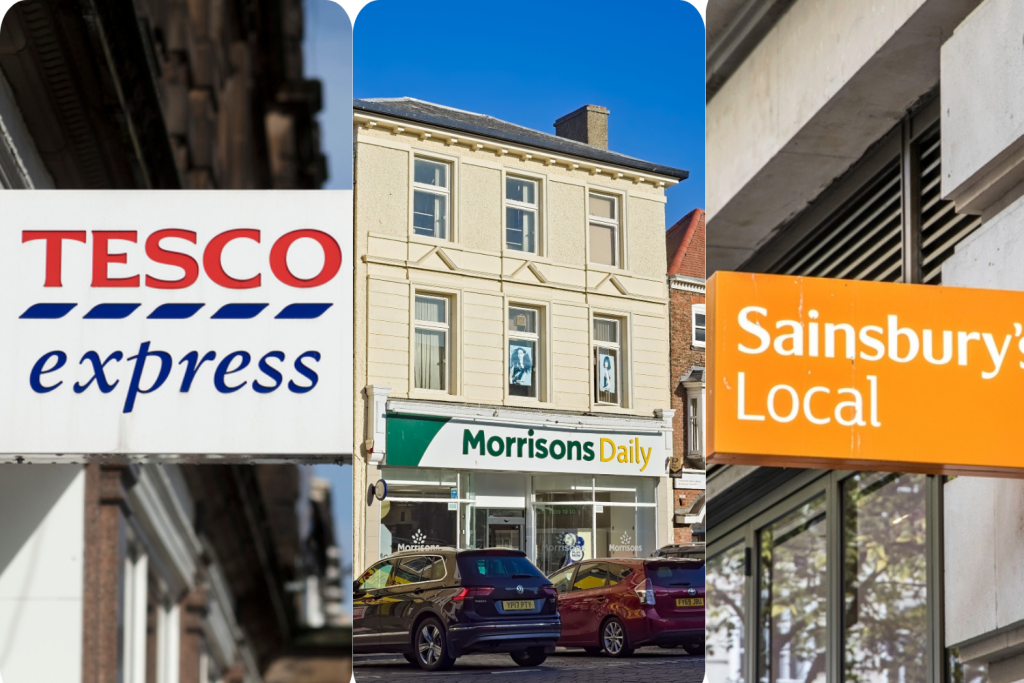
Recent research by the consumer group Which? has shed light on the substantial price differences that exist between supermarket convenience stores and their larger retail locations. The study meticulously compared the prices of 42 grocery items over multiple trips in June and July across various convenience outlets including Morrisons Daily, Sainsbury’s Local, and Tesco Express. It found that prices can be elevated by as much as 21%, particularly at Morrisons Daily stores.
Morrisons revealed an additional layer of complexity for its consumers. Members of its loyalty scheme, More, could find themselves paying up to 22% more at their compact outlets due to the scheme’s unavailability there. This discrepancy highlights a significant issue for those relying on supposed loyalty benefits which are not uniformly applied across different store formats. In a response from Morrisons, the retailer expressed intentions to extend the More card benefits to these stores shortly.
The investigation went further to address the circumstances faced by shoppers at Tesco and Sainsbury’s convenience stores. Customers using Tesco’s Clubcard could still see an 11% price hike, in contrast to Sainsbury’s Express stores where prices were found to be 5% higher, albeit with the potential to rise to 14% for Nectar card members. Both retailers justified these differences by citing higher operational costs in urban centres where these smaller outlets are often situated, affecting the competitive pricing landscape.
Ele Clark from Which? contextualised these findings, noting that many shoppers are unable to access larger supermarkets easily, thus relying heavily on these higher-priced local stores for their essentials. This situation raises concerns about the financial impact on consumers, particularly those without the convenience of transportation or the option for online deliveries.
As part of broader scrutiny into supermarket pricing strategies, Which? recently issued challenges to retailers regarding loyalty programmes that might not deliver genuine savings. Such investigations underscore the ongoing debate about the transparency and fairness in pricing strategies employed by major grocery chains.
The Which? study underscores a pressing need for transparency and fairness in convenience store pricing strategies amidst growing consumer reliance.