
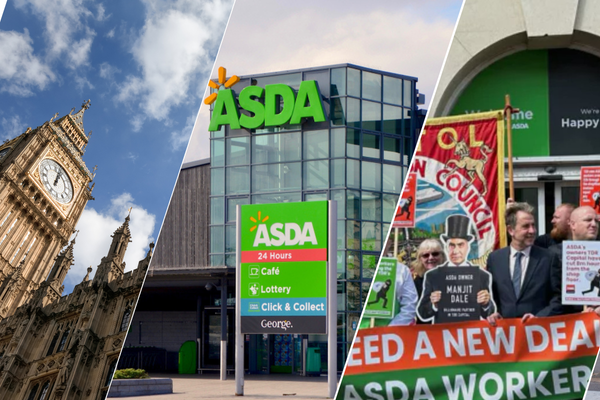

In a significant push for gender equality, over 150 MPs have urged Asda to address its ongoing pay dispute.
- The MPs have written to Asda’s major stakeholders highlighting concerns of gender discrimination.
- The issue revolves around claims of unequal pay between Asda’s retail and warehouse workers.
- The legal battle is currently in its second phase, demanding attention towards resolving backdated pay issues.
- Asda faces increasing scrutiny as this case impacts over 60,000 employees.
Over 150 Members of Parliament have formally requested that Asda address an enduring issue of alleged gender pay disparity. The MPs have directed their communications to TDR Capital, Asda’s majority owners, urging them to initiate settlement talks with the GMB union. This move follows persistent claims that retail employees, predominantly women, are paid less than their male counterparts in distribution roles.
The letter, led by Labour MP Nadia Whittome, among others, accentuates the urgency of resolving these claims of ‘gender discrimination’. It alleges that the compensation retail workers are owed could now exceed £2 billion. This amount reflects backdated pay that has allegedly accumulated due to disparities in how male and female employees are compensated.
Asda has publicly dismissed these claims, asserting their pay rates are not gender-influenced. An Asda spokesperson stated, “We fully respect the right of current and former colleagues to bring this case, however, we strongly reject any claim that Asda’s pay rates are influenced by gender.” The company maintains that retail and distribution are distinct sectors requiring different skill sets, hence the variation in pay rates.
According to GMB national officer Nadine Houghton, the union appreciates the political backing for their cause. She emphasised that, “Low paid women workers have propped up the profits of retail giants for too long, its time they are paid properly for the valuable work they do.” The legal challenge moves forward as Asda must justify why their retail employees earn less, often up to £3.74 per hour, compared to warehouse workers.
The case, currently before the Employment Tribunal, holds considerable impact for Asda’s workforce, affecting more than 60,000 employees. Should the GMB union find success in this phase of the legal proceedings, Asda must demonstrate that the pay differences are legitimately based on factors other than gender. The dispute follows similar cases faced by other major retailers, illustrating a broader industry trend towards addressing equal pay concerns.
The ongoing legal proceedings against Asda underscore the critical importance of addressing gender pay equality within the retail sector.
