
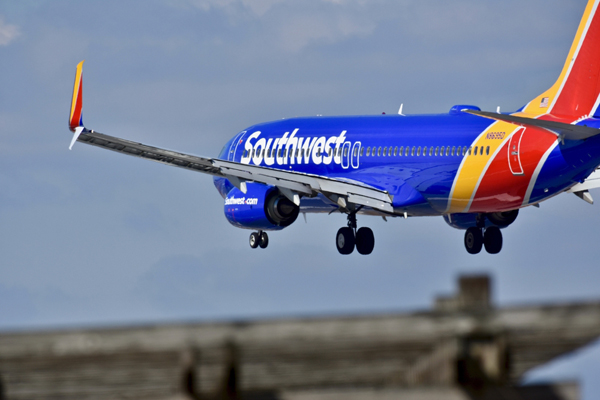

A concerning incident involving a Southwest Airlines flight has led to an official investigation. The engine cowling of a Boeing 737-800 detached during take-off, prompting a swift response.
In aviation, safety remains the paramount concern, and this event underscores the ongoing challenges faced by airlines and manufacturers in maintaining high safety standards.
Incident Overview
An inquiry has commenced following an unusual event involving a Southwest Airlines Boeing 737-800. During take-off from Denver, the aircraft’s engine cowling detached, striking a wing flap. Fortunately, the flight returned safely, showcasing the crew’s adept handling of the unexpected situation. This incident has prompted an investigation by the US Federal Aviation Administration (FAA), given the serious nature of such occurrences. Safety protocols were efficiently executed to ensure passenger security.
Details of the Flight
The flight in question was destined for Houston and carried 135 passengers along with six crew members. The Boeing 737-800 involved is noted to be an earlier generation model, distinct from the latest Max series. Upon the realisation of the incident, the flight crew managed a safe return to Denver, where the aircraft was guided to the gate for further inspection. Such swift decisions highlight the importance of rigorous training and preparedness amongst airline professionals.
Airline Response
Southwest Airlines, in response to the engine cowling issue, has committed to a thorough examination of the aircraft. Emphasising their dedication to prioritising safety, the airline apologised for the inconvenience caused to passengers. They assured stakeholders of a comprehensive review process, underlining the professionalism inherent in the airline’s operational protocols.
”We apologise for the inconvenience of their delay, but place our highest priority on ultimate safety for our customers and employees,” stated Southwest Airlines in their commitment to customer safety.
Wide-Reaching Implications for Boeing
Boeing, the aircraft manufacturer, is already under scrutiny following a recent incident with an Alaska Air B737 Max 9 where a panel blew out during flight. This latest event adds to the pressure on Boeing to address safety measures and regulatory compliance. The company disclosed last week a payment of $160 million to cover the financial impact on the airline affected by the January event. This reiterates the critical nature of manufacturing oversight in maintaining airline industry standards.
The increased scrutiny implies a heightened focus on compliance, demanding robust responses from Boeing both technically and financially. Ensuring structural integrity and the trust of airlines worldwide remains paramount for Boeing, amidst growing concerns.
Regulatory Investigation
The US Federal Aviation Administration’s investigation will delve into the specifics of the engine cowling incident to ascertain the root cause. Such investigations are critical in maintaining aviation safety and preventing future occurrences. The FAA will examine maintenance records, flight operations, and manufacturing data to provide a comprehensive report.
The FAA’s role in this matter underscores their mandate to uphold safety across US skies, ensuring air travel remains one of the safest transportation modes available. Their findings could influence future regulatory measures aimed at enhancing aircraft safety protocols.
Industry Impact
Incidents of this nature often have ripple effects throughout the aviation industry. Airlines worldwide closely monitor such investigations to integrate the lessons learned into their safety standards. This collaboration ensures the continuous improvement of safety measures.
Furthermore, regulatory requirements might be revisited, possibly leading to tighter safety standards and procedures across the board. The diligence observed in addressing such incidents highlights the industry’s commitment to maintaining impeccable safety records.
Safety Protocols and Training
This event highlights the essential nature of rigorous safety protocols and training within the aviation sector. Airlines invest significantly in preparing their crews to handle unexpected challenges efficiently, as demonstrated by this incident.
Such comprehensive training ensures crews remain calm and competent, safeguarding passenger safety under duress. Adherence to safety protocols not only reassures the public but also exemplifies the professionalism expected within the industry.
The evolving investigation is expected to yield comprehensive insights, ensuring that such incidents are prevented in the future.
In aviation, continuous vigilance and adherence to safety protocols remain essential, reinforcing the industry’s commitment to passenger safety.
