

Amidst scenic beauty, Iceland faces misconceptions about its volcanic safety. Addressing these is vital.
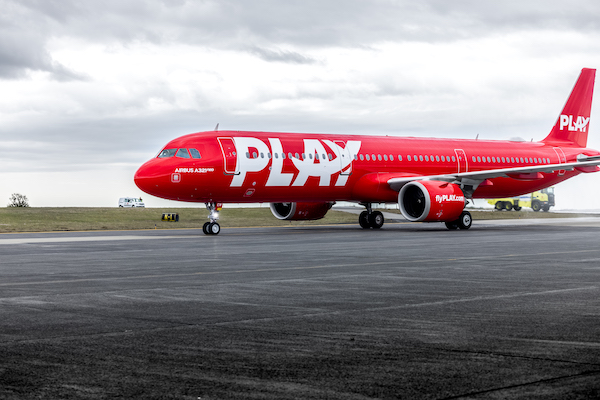
Financial losses mount despite a rise in visitors for carrier Play, highlighting urgent tourism challenges.
Amidst Iceland’s breathtaking landscapes, a significant issue has come to light. Recent volcanic activity in the Reykjanes peninsula has sparked widespread misconceptions about safety, impacting tourism adversely. While passenger numbers for the budget carrier Play have increased, the financial repercussions are evident, with substantial losses being reported. Addressing these concerns is crucial for the revival of the tourism sector.
The perception of Iceland as a potentially unsafe destination due to seismic activities has grown. Tourists are misinformed, equating natural beauty with danger. However, experts affirm that the situation is under control and pose no significant risk to travellers. Education and accurate information are vital to change this narrative and reassure potential visitors.
Iceland is lagging behind neighbouring countries in tourism promotion efforts. Competitors have invested significantly in marketing, leaving Iceland at a disadvantage. More governmental support and collaboration within the Icelandic tourism industry might be the key to turning the tide. A coordinated campaign could emphasise safety and the unique experiences Iceland offers.
In a bid to enhance visibility, Play has partnered with major global distribution systems, enabling worldwide travel agencies to book flights seamlessly. The initial feedback from markets accustomed to such systems has been positive, showing potential for growth. Strengthening these international connections could be instrumental in expanding Iceland’s tourism appeal.
The need for a synergistic effort between the government and private sectors is emphasised by Play’s executives. Such collaboration could lead to impactful campaigns to rectify misconceptions about Iceland’s safety. These combined efforts could significantly reclaim lost ground in the competitive tourism market.
Despite a 13% increase in passenger numbers year-on-year, Play’s financial reports have shown a concerning downturn, with losses mounting to $4.5 million. This financial strain is attributed not only to safety misconceptions but also to external market pressures. Strategic adjustments are imperative to recover from this setback.
Going forward, the focus remains on revitalising Icelandic tourism through education and collaborative marketing efforts. By dispelling myths, the region can ensure a robust tourism future and financial stability for carriers like Play. This forward-thinking approach is essential to overcoming current challenges.
Combining education with strategic marketing is crucial for dispelling safety myths about Iceland.
Iceland’s tourism sector can thrive through collaboration, ensuring a safer and attractive image.
