
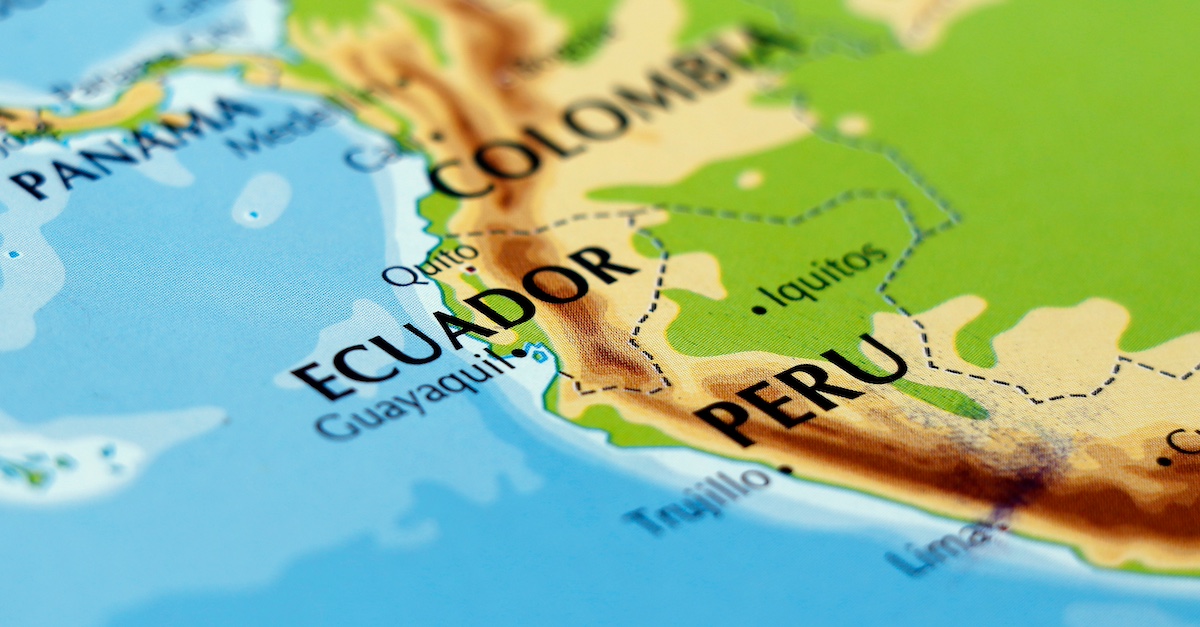

Peru has announced a comprehensive state of emergency along its northern border region adjoining Ecuador. This move follows a similar declaration by Ecuador in response to rising internal conflicts.
The UK Foreign Office has issued updated travel advisories, urging caution for those heading to the area. Travellers should stay informed and alert to local conditions.
Emergency Measures Adopted by Peru
The Peruvian government has enacted a state of emergency across its northern border with Ecuador. This decision aligns with Ecuador’s earlier imposition of a 60-day emergency as a reaction to escalating internal conflicts and military operations against organised crime groups. Peru’s move is primarily preventive, aimed at safeguarding the border from any potential threat posed by these subversive entities infiltrating from Ecuador.
To ensure stringent control, Peruvian national police and army units will be deployed. Their mission is to reinforce the existing border security, providing enhanced monitoring of the passage of individuals and goods. The authorities aim to prevent transnational criminal activities that could destabilise the region if left unchecked.
Impact on Tourism and Travel Advisories
In light of recent developments, travellers will observe a significant military and police presence in the affected regions. It is crucial for those planning to travel to adhere to all local directives and exercise increased caution when approaching border areas. This heightened security apparatus, although potentially intimidating, is a vital step to protect civilians and manage the regional insecurity.
The Foreign, Commonwealth & Development Office (FCDO) in the UK has updated its travel advisory, discouraging all but essential travel to specified coastal provinces in Ecuador. These areas include Esmeraldas, Manabí, and others, excluding transit through Guayaquil Airport. Travellers must remain vigilant, as the situation is subject to rapid changes.
Entry Requirements for Travellers
Travellers intending to cross from Peru into Ecuador via land will face strict entry requirements. Notable among these is the necessity to present a criminal record certificate from their country of residence for the past five years. This measure is indicative of the stringent security protocols in place to curb any unlawful movements.
For air travellers, no such restrictions currently exist, allowing for a seamless transition through airports. This differential approach underlines the focus on land border security, reflecting the perceived vulnerabilities in controlling illicit cross-border movements.
Broader Implications for Border Control
This intensified focus on border security underscores a broader strategy to enhance cross-border cooperation and intelligence sharing between Peru and Ecuador. Such measures are integral to addressing the root causes of regional instability, namely organised crime.
Experts suggest that these developments may prompt further international collaborations, potentially involving neighbouring countries to secure the area effectively. The priority remains to maintain stability and thwart any transnational criminal activities that threaten national securities.
Community Response and Economic Considerations
Local communities along the border are experiencing notable disruptions due to the heightened security measures. Although the steps are geared towards ensuring safety, they have invoked concerns among border residents about potential economic hardships.
Trade and daily activities, which heavily depend on cross-border interaction, face challenges. Governments are urged to consider economic relief measures to mitigate the impact on livelihoods, thereby balancing security needs with economic stability.
Future Outlook and Recommendations
The coming weeks are critical as both Peru and Ecuador assess the effectiveness of the emergency measures in mitigating threats. Continuous monitoring and adaptive strategies will be essential to address the evolving security landscape.
Analysts recommend sustained diplomatic dialogues to foster trust and coordination between the two nations. Such engagements are vital to enable effective border management and ensure long-term stability.
Safety Tips for Travellers
Individuals planning to travel near the Peru-Ecuador border should exercise caution. It is essential to stay informed through official channels, heed local advisories, and be aware of the security environment to ensure a safe journey.
The state of emergency at the Peru-Ecuador border signifies a concerted effort to maintain regional security amid rising threats.
Travellers and local communities must navigate this situation with vigilance, prioritising safety while monitoring the evolving dynamics. Future outcomes will depend on the adaptability and cooperation of both nations.
