
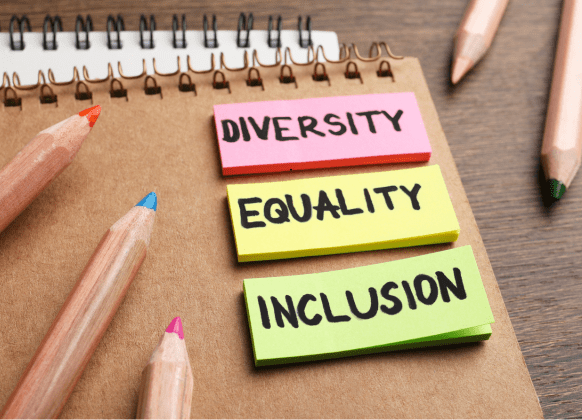

Exploring strategies for fostering an inclusive work environment.
- Avoid presumptions about personal attributes to prevent misunderstandings.
- The importance of steering clear of stereotypes to foster respect.
- Utilising gender-neutral language to support diverse identities.
- Leading by example is key in promoting inclusive behaviour.
In an effort to foster a more inclusive work environment, it’s crucial not to make assumptions about colleagues based on characteristics such as gender, race, religion, or age. Open-ended questions allow individuals to express themselves comfortably, thus promoting a more empathetic and understanding workplace.
Stereotyping can often lead to a negative working environment, one where individuals may feel upset or offended. Carefully avoiding generalised statements about specific groups is vital in maintaining a respectful and harmonious work setting.
The use of gender-neutral language plays a significant role in inclusivity. Employing terms like ‘they/them/their’ instead of gender-specific pronouns can support non-binary and gender-nonconforming individuals, ensuring that everyone feels acknowledged and respected within the organisation.
Leaders have a responsibility to lead by example when it comes to inclusive practices. By actively demonstrating and encouraging the use of respectful language, managers can educate their teams and address any inappropriate language swiftly and effectively.
Embracing inclusive language in the workplace fosters respect, equality, and improved collaboration.
