

Remote working has revolutionised work-life balance with greater flexibility, but not without drawbacks.
- A significant number of employees struggle with inadequate home office setups leading to physical discomfort.
- Survey results indicate most remote workers do not use a desk, with many opting for kitchen tables or sofas.
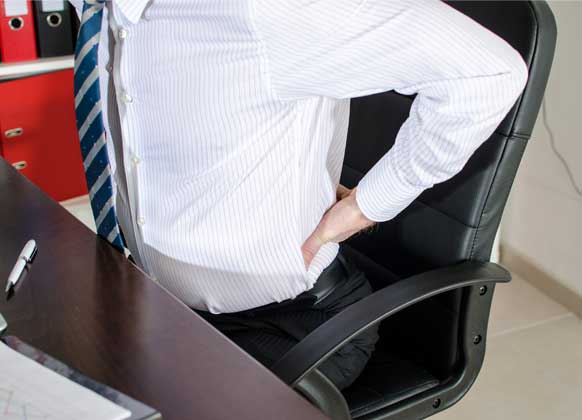
- Physical complaints related to poor posture, such as back pain, have surged among young adults working from home.
- Employers are urged to offer guidance on ergonomically sound home office arrangements to boost productivity.
The transition to remote working has been largely beneficial, offering employees increased flexibility while cutting down commute times. However, the lack of proper home office setups has created significant physical challenges for many workers. Surveys conducted by office furniture experts reveal that less than half of remote workers use a desk, with a considerable portion resorting to less suitable environments like kitchen tables and sofas.
The data further highlights that 65% of young adults aged 18 to 24 have seen a rise in physical complaints attributed to poor posture. Notably, back pain has become a prominent issue among this demographic. This trend is partly due to the lack of education and equipment available to employees for setting up ergonomically sound work environments at home.
James Davies, an osteopath, has observed a marked increase in patients with neck, mid-back, and lower back pain. He emphasises the importance of regular physical activity and stretching in mitigating these issues. During consultations, he often notes that people’s home work setups are not conducive to prolonged work, exacerbating physical discomfort and potentially impacting productivity.
Davies highlights the connection between poor posture and decreased productivity, noting that constant discomfort can significantly distract employees. This observation underlines the necessity for employers to educate their workforce on optimal home office arrangements, thereby promoting both physical health and work efficiency.
In addressing these ergonomic challenges, Davies suggests several measures: ensuring ergonomic adjustments to workstations, incorporating regular physical movement during work hours, and practising stress-reducing techniques like deep breathing, yoga, and Pilates. He further recommends exercises specifically aimed at alleviating muscle and joint tension, such as chest openers and neck exercises.
Employers have a pivotal role in facilitating better working conditions by providing employees with resources and guidance on creating health-conscious remote office environments. Emphasising the importance of ergonomics not only benefits the employees’ physical well-being but also enhances overall productivity.
Employers must prioritise their employees’ ergonomic education to improve posture and productivity in remote working environments.
