
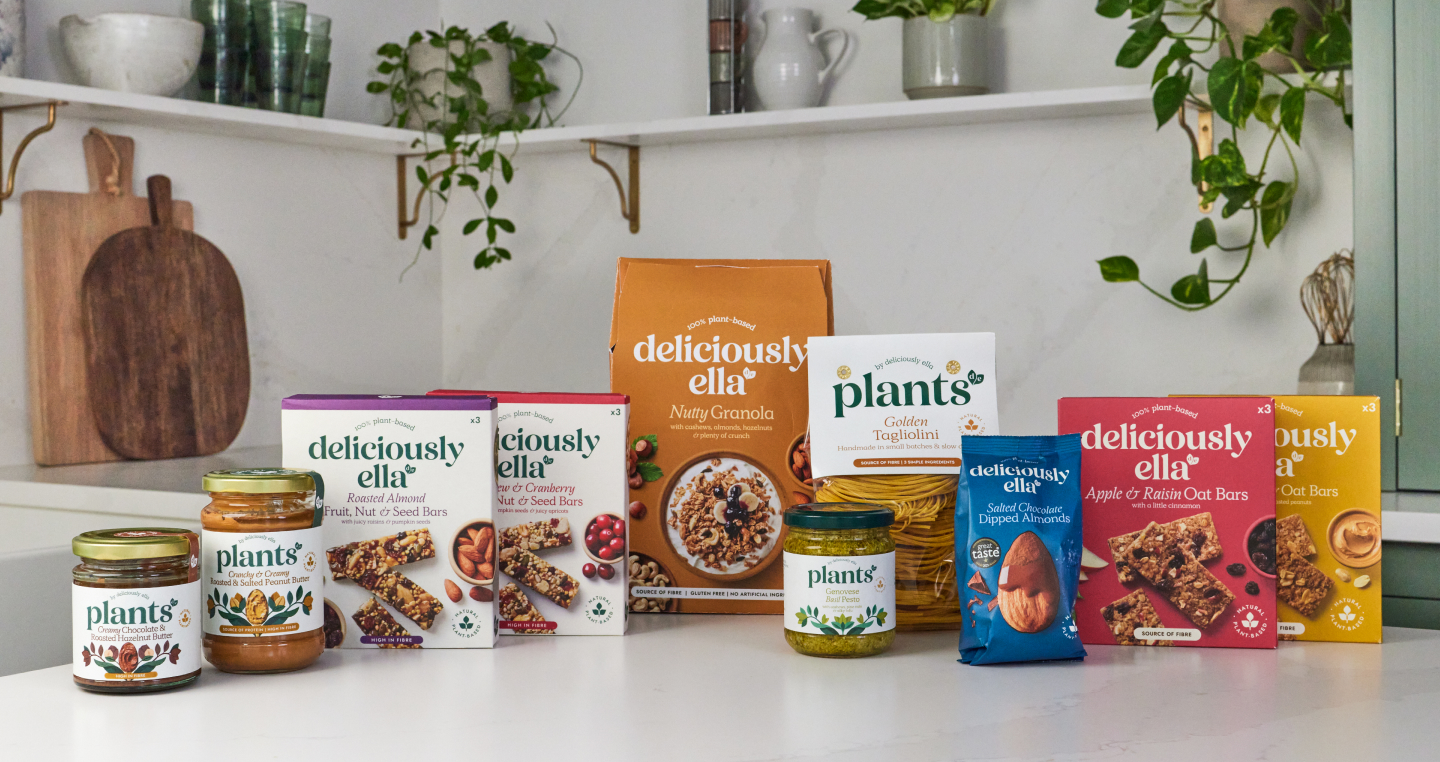

The plant-based food sector is experiencing a shift, with mimic meat products declining while natural plant-based foods thrive.
- Deliciously Ella CEO, Matthew Mills, highlights a major decline in mimic meat products as investors miscalculated consumer demand.
- Natural plant-based foods see robust growth, setting a distinct path from mimic meats, according to Matthew Mills.
- The wane in demand for meat alternatives is not expected to impact the growth of natural plant-based brands.
- Recent financial struggles of key mimic meat brands underline this sector’s challenges, contrasting with the growth of natural products.
The plant-based food industry is undergoing significant transformation, characterised by a distinct shift away from mimic meat products. Matthew Mills, CEO of Deliciously Ella, noted in a conversation with Grocery Gazette that the bifurcation in this industry has led to a substantial decline in products attempting to replicate meat. This downturn stems from previous investor optimism, which anticipated a larger market demand than what materialised.
According to Mills, the projections made five years ago for mimic meat market potential were overly ambitious, suggesting a vast consumer appetite which has since proven to be inflated. Despite the current challenges facing mimic meat brands, Mills acknowledges that these products will maintain a niche market presence, albeit much smaller than initially expected. In stark contrast, natural plant-based foods continue to exhibit strong growth, indicating a favourable consumer trend towards more authentic plant-based options.
The focus on natural ingredients over mimic meats aligns with Deliciously Ella’s strategy, which remains unaffected by the decline in meat alternatives. “We’ve never played in mimics, so we haven’t been exposed to that,” Mills stated, emphasising the brand’s commitment to natural ingredients that preclude mimicry. This strategic positioning serves to insulate the company from market volatility affecting mimic meats.
The financial difficulties faced by prominent mimic meat producers further illustrate the sector’s struggles. Companies such as Marlow Foods, the owner of Quorn, recently reported a significant financial loss alongside a drop in sales, reaching their lowest point since 2017. Additionally, other brands like Meatless Farm and Heather Mills’ VBites have entered administration, while Beyond Meat is attempting to counteract declining sales, reflecting the broader challenges within the mimic meat industry.
The divergence within the plant-based sector underscores a growing consumer preference for natural products over mimic meats.
