
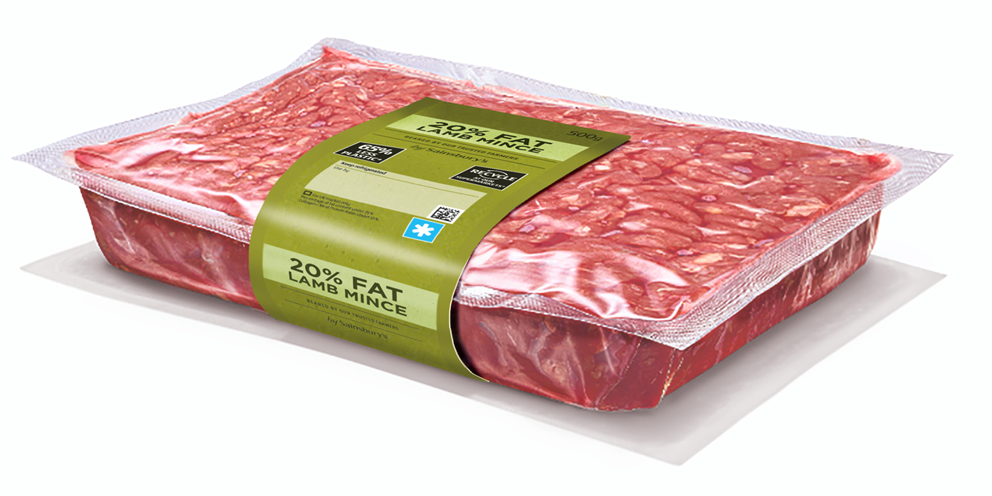

Sainsbury’s is transitioning its entire lamb mince range to vacuum packaging, reducing plastic use.
- The move aims to save 26 tonnes of plastic annually, demonstrating Sainsbury’s commitment to sustainability.
- Vacuum-packed mince will stay fresh longer and maintain quality, enhancing consumer experience.
- New packaging includes QR codes offering cooking advice, reflecting a modern, consumer-focused approach.
- In-store recycling options align with broader environmental objectives, following similar initiatives for beef mince.
In a significant shift towards sustainability, Sainsbury’s has announced the introduction of vacuum packaging for its entire range of fresh lamb mince. This initiative, set to commence from today, is projected to save approximately 26 tonnes of plastic per annum. The replacement of traditional plastic trays with vacuum-packed alternatives is expected to result in a minimum reduction of 65% in plastic usage per product, marking a substantial ecological milestone.
The decision to implement vacuum packaging is not only an environmental strategy but also enhances product longevity. By removing all oxygen from the packaging, Sainsbury’s aims to extend the shelf life of lamb mince, thus allowing it to maintain freshness over a longer period and improve its storage capabilities, particularly in freezers. This innovation ensures that the mince retains the same quality consumers expect from the brand, offering assurance about the product’s integrity.
Furthermore, the transition to vacuum packaging is accompanied by the introduction of QR codes on the packaging, designed to provide consumers with cooking advice. This reflects a consumer-centric approach, integrating technology to enhance the culinary experience. The QR codes can be scanned to access helpful tips, thereby aiding customers in making the most out of their purchase.
Sainsbury’s director of fresh food, Richard Crampton, emphasised the company’s commitment to reducing plastic waste and delivering environmental benefits to consumers. His assertion underscores Sainsbury’s pioneering role in adopting vacuum-packed packaging for popular products, highlighting their responsiveness to consumer demands for reduced plastic use. This step follows similar changes made to their beef mince packaging, which reportedly resulted in saving 450 tonnes of plastic annually.
The new packaging is developed to be recyclable at Sainsbury’s flexible plastic recycling collection points available in all its supermarkets. This aligns with the company’s broader environmental objectives, making it easier for consumers to recycle and reduce plastic waste at home. The effective integration of recycling facilities with product innovation signifies Sainsbury’s comprehensive approach to sustainability.
Sainsbury’s innovative packaging initiative marks a significant step in sustainable retail practices, reflecting both environmental responsibility and consumer engagement.
