
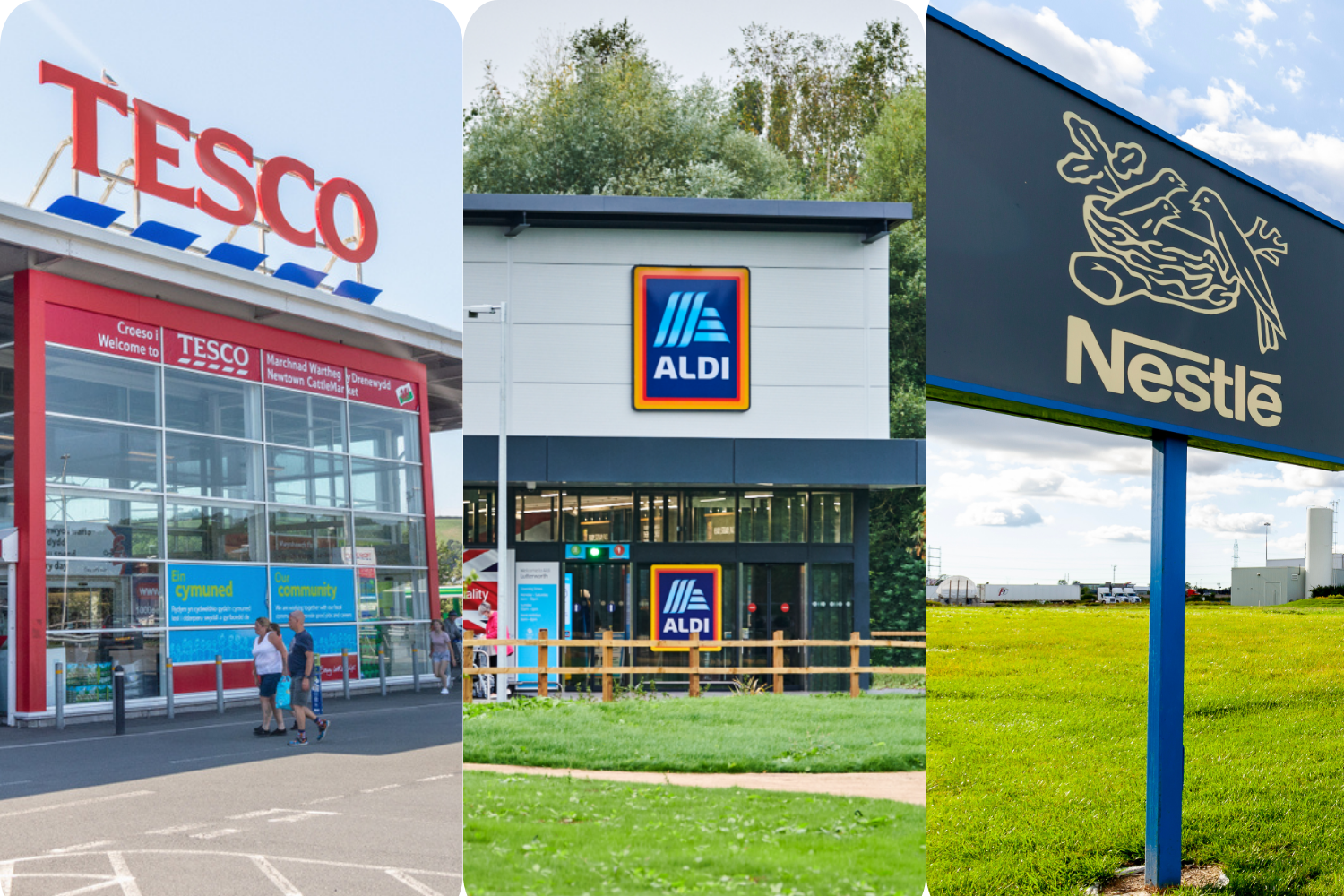

Leading grocery retailers and brands, including Tesco and Aldi, are urging the UK government to enforce mandatory food waste reporting.
- Over 30 major companies in the food sector have signed a letter addressed to the Defra secretary, calling for action.
- The initiative, led by Jamie Crummie and the British Retail Consortium, aims to enhance efficiency and reduce surplus waste.
- The Labour party’s target to halve food waste by 2030 aligns with the proposed reporting measures.
- Significant investments by large food businesses demonstrate industry commitment to waste reduction.
In a concerted effort to combat food waste, prominent grocery retailers and renowned brands have made a unified call for government intervention. Tesco, Aldi, and Nestlé are among more than 30 companies urging the Department for Environment, Food and Rural Affairs (Defra) to mandate food waste reporting in the UK. This request underscores the pressing need for transparency and accountability in the food industry, a sentiment echoed by the co-founder of the online surplus food service Too Good to Go, Jamie Crummie, and supported by the British Retail Consortium.
The coalition of businesses, including Tesco, Sainsbury’s, Waitrose, and M&S, as well as brands such as Innocent Drinks and Yo! Sushi, highlights the industry’s recognition of the environmental and economic ramifications of food wastage. By compelling companies to report their waste, this measure aims to foster greater efficiency in food production and the effective reuse of surplus. Notably, the proposed regulations would apply to food companies above a certain size, explicitly excluding agricultural producers.
This initiative coincides with the Labour party’s ambitious agenda to reduce food waste by 50% by the year 2030, a goal that harmonises with Defra Secretary Steve Reed’s vision for a circular economy in the UK. The endorsement from businesses across the food sector is indicative of a growing commitment to environmental sustainability, with Jamie Crummie expressing satisfaction over the government’s prioritisation of a zero-waste economy.
Fuelled by increasing public and political attention, numerous high-profile companies have begun investing significantly in waste reduction technologies and strategies. Illustrative examples include Tesco’s recent establishment of a facility to convert surplus food into animal feed and Unilever’s development of an AI-driven tool designed to optimise household food usage. These developments affirm the food sector’s proactive approach towards a sustainable and waste-free future.
Mandatory food waste reporting is seen as a pivotal step towards achieving sustainability goals in the UK food sector.

