
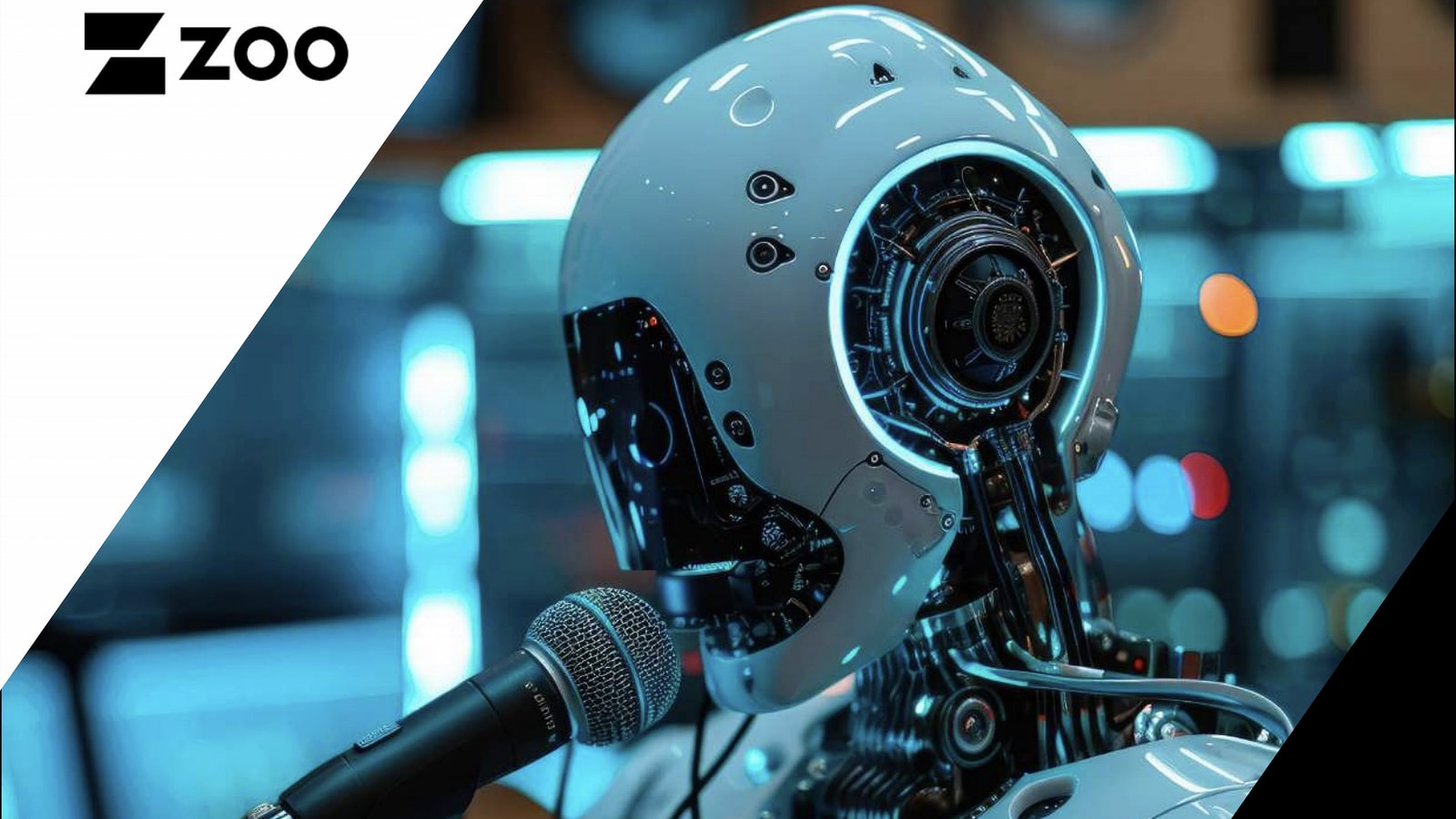

ZOO Digital explores AI’s impact on media localisation, addressing concerns about job displacement and productivity gains.
- The white paper examines whether AI can fully replace human roles in subtitling, dubbing and media services.
- AI currently enhances productivity by supporting traditional media localisation practices rather than replacing them.
- Human oversight remains crucial in maintaining quality, authenticity, and cultural sensitivity in media productions.
- Ethical considerations and regulatory guidelines are critical in AI adoption within the media localisation industry.
ZOO Digital has released a comprehensive white paper examining the role of Artificial Intelligence (AI) in the media localisation industry, sparked by growing concerns over potential job displacement and productivity changes. The document provides a detailed analysis of AI’s role in workflows, emphasising its capability to support rather than replace human operators. This aligns with historical patterns observed during previous technology revolutions, where new roles emerged in response to the advent of new technologies. The report dismisses the notion of AI completely replacing human roles, instead highlighting the synergy between AI and traditional localisation practices.
In media localisation, quality and authenticity are non-negotiable, especially for premium entertainment content. AI can certainly aid in workflow enhancement by offering transcription tools and initial outputs. However, human oversight is irreplaceable at critical checkpoints where context and cultural nuances must be respected. Human linguists and editors remain essential to ensure captions and subtitles comply with style guides and effectively convey the intended message without losing emotional undertones.
AI tools can streamline processes and provide initial transcription for subtitles, but they fall short when tasked with conveying the intricate nuances of conversational dialogue found in entertainment media. While AI is effective in generating content for straightforward or factual narratives, premium media content demands a level of emotional and contextual understanding that only skilled human professionals can provide. Directors and editors are necessary to adjust synthetic speech and ensure it resonates with emotional authenticity.
The limitations of AI in media localisation extend to areas such as dubbing, where the creativity inherent in scriptwriting and the subtleties of actor performances are areas AI cannot yet master. While synthetic voices and automated lip-syncing technologies offer innovation, they cannot fully replace human insight and creativity. Furthermore, ethical considerations regarding intellectual property rights and the transparency of AI usage are paramount, ensuring that any AI integration adheres to regulatory guidelines and creative integrity is upheld.
As companies move to integrate AI into localisation workflows, ZOO Digital emphasises the ethical responsibility and collaboration with partners who value quality and cultural authenticity. CEO Stuart Green advocates for transparency and warns against over-reliance on AI technologies where human expertise should be at the forefront. The white paper outlines that AI, while a positive force for productivity and scalability, cannot substitute the nuances of cultural adaptation that ensure global market relevancy.
ZOO Digital’s analysis concludes that AI’s role in media localisation is complementary, enhancing rather than replacing human expertise, while underscoring the need for ethical considerations.
