
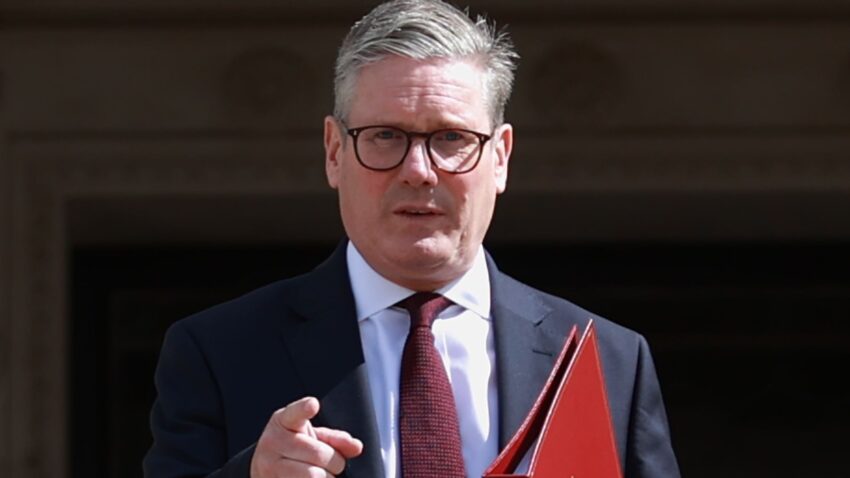

Sir Keir Starmer has implied that Labour may consider increasing employer national insurance. Despite this, the party remains committed to upholding tax promises for workers. The potential shift has garnered attention from business leaders concerned about job implications.
Labour’s Intentions and Employer National Insurance
During a recent statement, Sir Keir Starmer made waves by hinting at a potential increase in employers’ national insurance contributions. While this consideration is said to align with Labour’s economic strategies, it remains separate from the party’s pledge to protect tax levels for workers. This dual approach indicates Labour’s resolve to balance fiscal responsibility with electoral commitments to the workforce. Business leaders have expressed concerns, suggesting that an increase could have significant repercussions on employment rates and economic growth. The upcoming budget decisions appear pivotal.
Reconciling Fiscal Stability and Political Promises
Chancellor Rachel Reeves took to the forefront, advocating for the necessity of fiscal stability. She remarked that while Labour is committed to not increasing worker taxes, employer contributions stand outside this promise. This distinction clarifies Labour’s fiscal priorities. Reeves acknowledged businesses’ concerns, promising a “business tax roadmap” to provide predictability for investors. This long-term strategy seeks to cement confidence in Labour’s fiscal policies among the business community.
Criticism from Business Leaders
Not everyone agrees with Labour’s proposed direction. Some business leaders argue that raising employer national insurance contributions could risk stifling job creation and enterprise. Concerns were raised by the Federation of Small Businesses, warning the potential change could overburden smaller companies. The sentiment is that such a policy could deter entrepreneurship and growth precisely when these are needed most to fuel economic recovery.
Manifesto Pledges Under Scrutiny
Labour’s manifesto, released during the election campaign, made explicit promises not to increase national insurance or income taxes for workers. However, discussions regarding employer contributions were notably absent. This omission has drawn criticism from various quarters, including Laura Trott, shadow chief secretary to the Treasury. Trott argues that any increase is a breach of Labour’s electoral commitments, though Labour sources contend the distinction was always clear. Such scrutiny underlines the political complexity of maintaining fiscal assurances.
Reactions from the Political Sphere
The potential shift in policy has stirred significant reaction within political circles. Members from opposition parties have voiced concerns, questioning Labour’s adherence to its manifesto. This discourse highlights the intricate balance required to meet fiscal goals without reneging on established promises. Moreover, it emphasizes the broader implications for Labour’s reputation in future electoral engagements if such pledges appear flexible or negotiable.
Economic Implications of Proposed Changes
The discussion around employer national insurance touches on broader economic implications. Businesses warn that increased taxes on employers could restrict their ability to hire new staff or invest in growth. This potential policy shift comes at a time when economic stability is vital. Reeves’ proposed ‘tax roadmap’ aims to mitigate uncertainty, yet some analysts argue that any such increase could overshadow these assurances, pressing businesses to reevaluate financial strategies.
The Road Ahead for Labour
Labour’s approach to the national insurance debate reflects its continuous endeavour to position itself as a party of fiscal responsibility. This delicate navigation of economic strategy versus political promises will likely feature prominently in upcoming discussions. As stakeholders across various sectors await the budget announcement, the need for transparent dialogue and pragmatic policy decisions is clear. The outcome will be crucial in determining Labour’s credibility and effectiveness in managing the nation’s financial landscape.
As the budget announcement approaches, Labour must carefully balance its fiscal strategies with its electoral promises. The outcome of these budget deliberations will be crucial in retaining the trust of both the electorate and the business community.
