
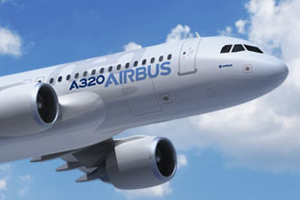

Airbus has flagged ongoing difficulties in meeting its aircraft production goals, citing persistent supply chain issues. These challenges, particularly with engine supplies from key manufacturers, continue to disrupt deliveries.
The European aerospace giant reveals it will miss its delivery target by 30 aircraft, largely impacting its profitability and the aviation sector’s operating costs. This development underscores broader implications for airlines reliant on their models.
Airbus Delivery Delays Continue
Airbus has once again revised its aircraft delivery schedule, indicating ongoing disruptions that continue to challenge its production capabilities. The aircraft manufacturer now projects delivering 30 fewer aircraft than initially anticipated for the current year. This shortfall highlights the industry’s persistent issues, particularly with the popular A320neo series. Supply chain bottlenecks, especially concerning engines, remain a significant hurdle.
Impact on Airlines and Fares
Airlines have been remarkably affected by Airbus’s reduced capacity to meet delivery targets. The scarcity of new aircraft has compelled airlines to rely more heavily on their existing fleets, often resorting to older, less fuel-efficient models. This situation contributes to inflating operational costs and, by extension, passenger fares.
Chief executives from various airlines have expressed concerns about these rising costs. Delta Air Lines’ Ed Bastian noted the broader implications of supply chain disruptions, indicating that these challenges are not isolated to Airbus alone.
Engine Supply Chain Issues
The engine supply chain, forming a cornerstone of these delivery delays, is a focal point in the ongoing crisis. Pratt & Whitney and CFM International have faced significant delays, exacerbating the already strained situation. Shortages have led to aircraft, including those currently in operation, being grounded, further worsening airline capacity constraints.
Such grounding of aircraft is not a minor hiccup but a major operational challenge. Wizz Air, for example, has experienced substantial disruptions with a notable fleet size grounded due to these engine issues.
The broader consequence of these engine supply shortages is a ripple effect across the aviation sector. Passengers should brace for continued fare increases as airlines attempt to manage their operational costs amidst these supply constraints.
Airbus Financial Revisions and Projections
Financially, Airbus has had to recalibrate its projections due to these ongoing disruptions. The company has adjusted its profit expectations downwards, acknowledging a significant reduction from €7 billion to €5.5 billion. Notably, this recalibration includes absorbing considerable charges within its space division.
The financial outlook for Airbus suggests an extended period of adjustment. Analysts describe these revisions as challenging, reflecting the deep-seated difficulties within the manufacturing and supply sectors.
Airbus maintains a cautious optimism, with forecasts that necessitate no additional disruptions. However, industry experts warn that the path to recovery is complex and fraught with potential pitfalls.
Industry Responses and Long-Term Solutions
In response to these challenges, industry leaders have been vocal in their calls for swift resolution. IATA’s Director General Willie Walsh emphasised the urgent need for progress within the supply chain framework. His calls are echoed across the industry as airlines anxiously await a return to stability and predictability.
Ryanair’s Michael O’Leary highlighted the prolonged nature of these constraints, predicting enduring effects on capacity and fares over upcoming seasons. As airlines adapt to this new normal, innovation and efficiency become key focuses to mitigate impacts.
The industry, while grappling with immediate challenges, is also pivoting towards long-term solutions that may include diversifying supply chains and investing in alternative technologies to buffer against future disruptions.
Airbus’s Strategic Moves in the Market
Amidst these tumultuous times, Airbus has initiated strategic decisions to bolster its market position. The announcement of a potential takeover of Spirit AeroSystems marks a significant step in securing critical components for its aircraft.
This acquisition, whilst still unfolding, indicates Airbus’s strategic intent to enhance its control over its manufacturing processes. By integrating Spirit’s capabilities, Airbus aims to mitigate some of the supply chain risks that have beleaguered its recent operations.
The move is indicative of broader strategies within the aerospace sector to consolidate resources and ensure more reliable supply chains. It reflects a proactive stance towards managing external shocks and underpinning future growth.
Future Outlook and Considerations
The future landscape for Airbus and the wider aviation industry remains uncertain. While cautious optimism prevails among industry stakeholders, the road to recovery is expected to be gradual and fraught with hurdles.
Industry observers stress the importance of agile responses and adaptability in navigating these challenges. For airlines and manufacturers alike, patience and strategic planning will be paramount in overcoming current adversities and leveraging emerging opportunities.
The future for Airbus appears challenging, with persistent delivery delays defining its immediate horizon. As the industry navigates these waters, strategic adjustments and innovation will be crucial to sustaining growth.
Focus must remain on resolving supply chain bottlenecks, enhancing operational efficiencies, and adapting to the evolving aerospace landscape to ensure long-term stability.
