
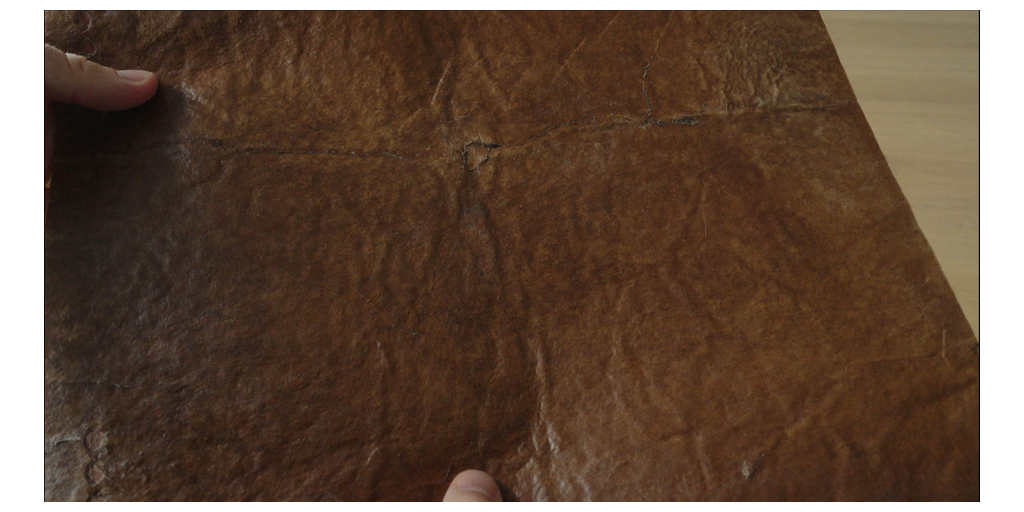

Qorium, at the forefront of biotechnological innovation, has unveiled a significant advancement in cultivated leather production. The company’s latest breakthrough involves a sample of lab-grown leather that matches the quality of traditional options, marking a pivotal step towards commercialisation.
- Qorium’s cultivated leather showcases sustainability by utilising significantly less water and energy compared to traditional methods, reducing environmental impact.
- The newly scaled-up bioreactor technology is key to this advancement, allowing for replication of cow skin cells to produce durable leather.
- Qorium has formed strategic partnerships with high-end fashion and automotive brands to co-develop this innovative material.
- Following a successful funding round, the company has expanded its team and invested in state-of-the-art equipment to enhance production efficiency.
Qorium has emerged as a leader in the field of bio-engineering, presenting an innovative method of creating leather by cultivating it in a laboratory setting. This advancement has been demonstrated through the production of a 35x35cm sample using the company’s newly enhanced tissue bioreactor. The technology involves the collection of a small sample of skin cells from a live cow, which are then cultivated in a lab to produce leather that possesses the same strength, durability, and aesthetic appeal as leather derived from traditional animal-based processes.
The environmental benefits of Qorium’s lab-grown leather are noteworthy. By requiring only a fraction of the water and energy typically needed to raise and process animal hides, this cultivated leather significantly reduces its carbon footprint. Additionally, it eliminates the ethical concerns associated with animal welfare, presenting a more sustainable and humane alternative for consumer brands.
Strategic collaborations are central to Qorium’s strategy. The company has joined forces with leading fashion and automotive brands to further the development of its innovative materials, positioning itself as a major supplier in these industries. This approach not only aids in improving material quality but also in adapting to various industry requirements, ensuring the leather meets diverse application standards.
Recent financial infusion has allowed Qorium to strengthen its operational capabilities. The appointment of a new Chief Financial Officer and the acquisition of advanced equipment underscore the company’s commitment to scaling its production processes. Such investments are a response to the increasing demand for eco-friendly materials and are indicative of Qorium’s upward trajectory in the cultivated leather sector.
Michael Newton, CEO of Qorium, underscores the significance of this breakthrough, stating, “This sample is tangible proof that a future where high quality, high-performing leather can be produced on-demand, without the animal welfare and environmental disadvantages of traditional material, is just around the corner.” This statement encapsulates the potential impact of Qorium’s innovation on the future of sustainable manufacturing.
Qorium’s progress exemplifies the transformative potential of biotechnology in promoting sustainable industrial practices.
