

A surge in demand for ‘fakeaway’ products is reshaping the supermarket landscape, with leading brands like Itsu and Pizza Express currently dominating the market.
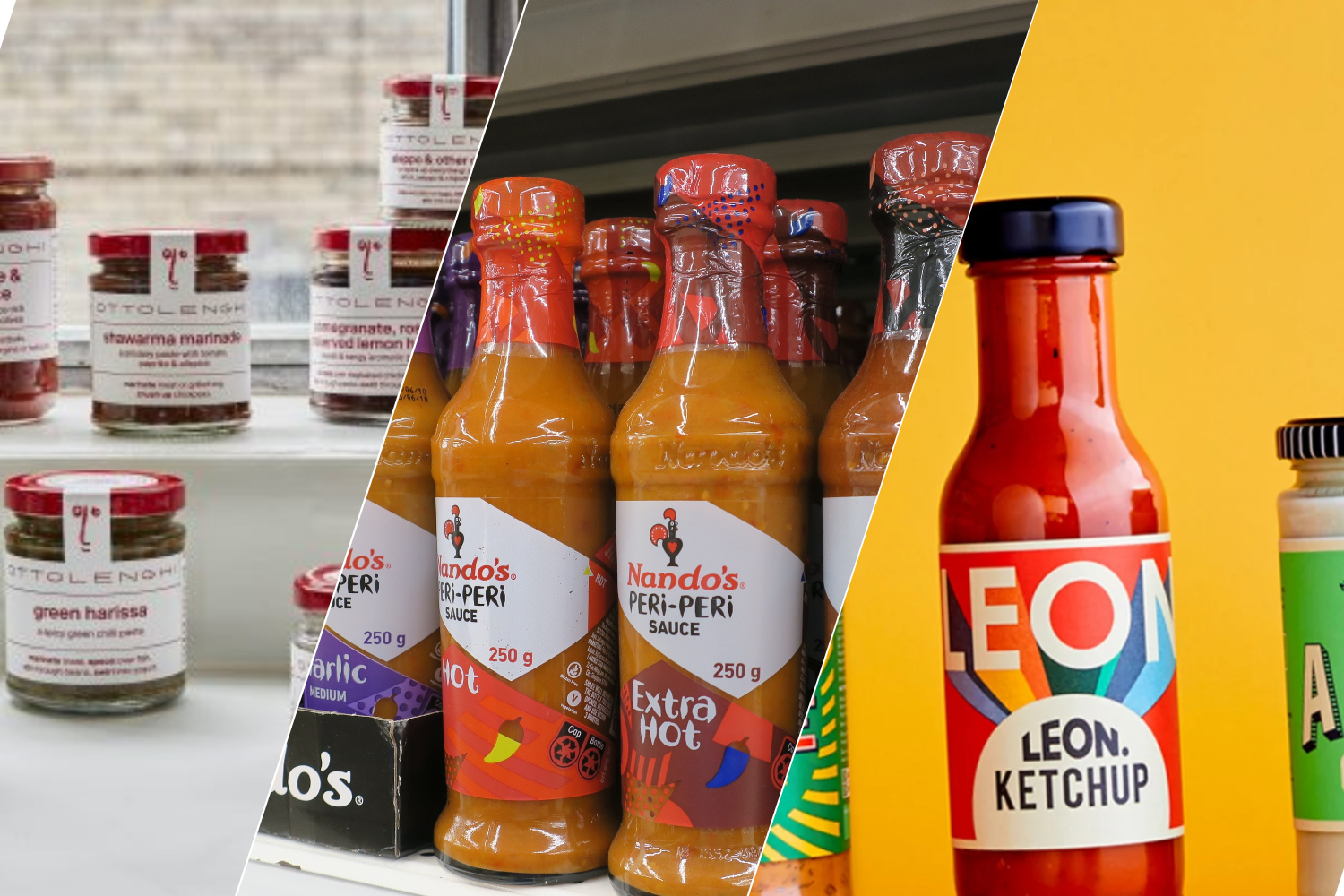
- Ottolenghi, famous for its delis and restaurants, made its grocery debut through Waitrose, focusing on flavour and quality without preservatives.
- Nando’s, known for its Peri-Peri sauces, has expanded its grocery offerings and is continuously exploring new products to inspire customers.
- Zizzi’s focus on affordability has brought restaurant-quality frozen foods to major supermarkets, increasing its customer base.
- Leon and Wasabi have entered supermarkets with strong identities, offering products with natural ingredients and revamped packaging, respectively.
The growing consumer preference for ‘fakeaway’ products has prominently positioned brands such as Itsu and Pizza Express at the forefront of this market through their substantial online sales on platforms like Ocado. These brands command a significant share, with Itsu favoured for seaweed thins and Pizza Express for its classic pizzas and doughballs. However, the landscape is evolving as other brands endeavour to capture a wider share of this burgeoning market.
Ottolenghi’s foray into the grocery sector marks a notable expansion from its London-based delis and restaurant operations. Exclusively launching at Waitrose in April 2024, Ottolenghi introduced a range of products including pesto, sauces, and spice mixes, maintaining a focus on quality and flavour integrity. The response has been overwhelmingly positive, with sales outperforming expectations by 97%. The team remains committed to refining their current offerings before considering further expansion, reflecting a strategic approach to market penetration.
Nando’s established its presence in the grocery sphere in 1999, initially offering its iconic Peri-Peri sauce. The brand has since broadened its offerings to include marinades and dressings across all major UK supermarkets. Nando’s continues to innovate with its marketing strategies and product development, ensuring customers can enjoy ‘restaurant quality’ experiences at home. Future plans hint at evolving their hero sauce products, indicating continued growth and adaptation to consumer demands.
Zizzi has strategically positioned itself in the grocery market since its debut in 2020. With a product range that spans pizzas, pastas, and desserts, the brand caters to shifts in consumer spending, particularly in light of economic challenges. This shift towards affordable luxury has allowed Zizzi to expand its reach, especially attracting new customers in the frozen food category. Their targeted in-store marketing and appealing product placements have contributed to the brand selling nearly 1,000 pizzas daily.
Leon, a brand established on the premise of healthy fast-food, entered the grocery market in 2019 with Sainsbury’s. Known for its commitment to clean ingredients and natural flavours, Leon offers an assortment of products like nuggets, chips, and sauces, maintaining its core brand values. The brand’s consistent identity, reflected in both product quality and packaging design, has facilitated a growing presence in supermarkets.
Wasabi joined the grocery sector in 2019, building upon its restaurant offerings with meal-for-ones, sides, and ramen dishes available at major retailers like Sainsbury’s. The brand has recently revamped its packaging to better align with its visual identity and enhance consumer appeal. As the ‘fakeaway’ market evolves, Wasabi’s strategic initiatives in product presentation and brand communication are expected to bolster its market presence further.
These brands are capitalising on changing consumer preferences, reshaping the grocery sector with diverse, high-quality ‘fakeaway’ offerings.

