
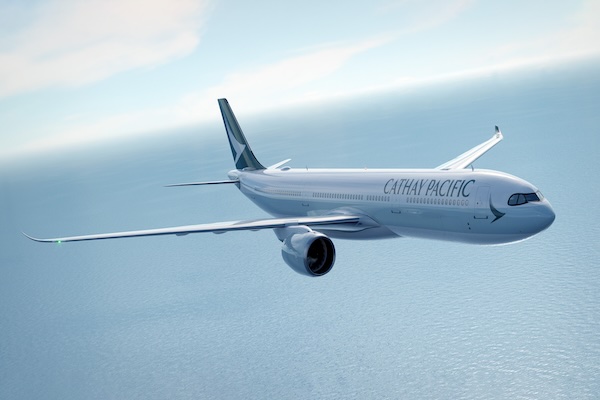

Cathay Pacific has embarked on a new phase of growth with a significant order of 30 Airbus A330neo aircraft. This decision is set to revitalise the airline’s fleet and align with its post-pandemic recovery strategy.
Alongside enhancing operational capacity, the new aircraft will support the airline’s ambitions to achieve a modern, fuel-efficient fleet by 2025. The order marks a pivotal investment in strengthening Cathay Pacific’s position as a leading international airline.
Fleet Renewal Strategy
Cathay Pacific’s recent order for Airbus A330neo aircraft reflects a strategic renewal of its mid-size widebody fleet. The airline aims to replace its older A330-300 fleet, enhancing operational efficiency across its high-demand regional routes.
This new fleet will not only modernise the airline’s offerings but also align with its commitment towards environmental sustainability. The A330neos are known for their improved fuel efficiency, reducing carbon emissions significantly compared to older models.
Operational and Environmental Impacts
The addition of Airbus A330neos to Cathay Pacific’s fleet is expected to optimise the airline’s route flexibility. It allows the company to expand its reach on longer-haul routes while maintaining efficiency on regional flights.
Moreover, these aircraft will play a critical role in the company’s target to achieve net-zero carbon emissions by 2050. Emphasising sustainability, the A330neo will help Cathay Pacific mitigate its environmental impact.
Economic and Market Implications
Integrating the A330neo is anticipated to bolster Cathay Pacific’s market position amidst growing competition in the aviation industry.
The airline’s financial performance, which highlighted a 14% revenue increase to HK$49.6 billion despite a profit decline, indicates a carefully calculated investment into future growth.
Analysts view this order as a necessary step to safeguard Cathay Pacific’s market share and ensure its long-term viability.
Growth in Workforce and Operations
Cathay Pacific and its regional arm HK Express are in the process of increasing their workforce by 5,000, aiming for a total of 29,000 employees by the end of the year. This expansion supports the carrier’s growing operational demands.
This workforce augmentation is integral to managing the increased capacity and ensuring smooth incorporation of the new aircraft into daily operations.
Leadership and Future Outlook
Cathay Pacific’s Chief Executive, Ronald Lam, emphasised the airline’s shift towards modernisation and growth. “As Cathay completes its rebuilding journey, we turn the page to modernisation in both scope and quality,” Lam stated.
This forward-looking approach is pivotal in maintaining Cathay Pacific’s competitive edge and enhancing its service standards.
Lam’s leadership signifies a strong commitment to transforming Cathay Pacific into a more resilient and adaptable airline.
Airbus Collaboration and Technological Advancements
Airbus Chief Executive Christian Scherer highlighted the A330neo’s role as a major component in Cathay’s regional operations. He acknowledged the aircraft’s advanced features, which lower operational costs while elevating passenger experience with the Airspace cabin design.
The collaboration between Airbus and Cathay Pacific is seen as a strategic alignment of operational capabilities with new technological advancements.
Conclusion and Future Prospects
This significant investment in fleet renewal positions Cathay Pacific on a promising path towards post-pandemic recovery and growth.
The strategic acquisition of the Airbus A330neo not only modernises the airline’s fleet but also underpins its commitment to sustainability and operational excellence.
Cathay Pacific’s order of 30 Airbus A330neos signals a renewed focus on growth and sustainability, essential elements in the airline’s strategy to remain competitive in the global aviation market.
This initiative supports the airline’s vision to achieve a full recovery and surpass its pre-pandemic operational capacity by 2025.
