
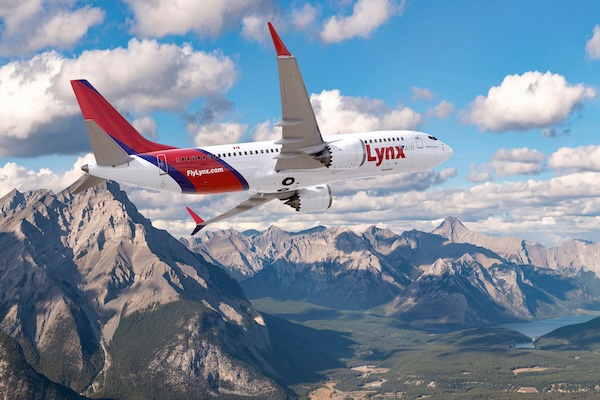

Lynx Air, a prominent name in Canada’s ultra-budget air travel market, is set to close its doors, marking an end to a short-lived yet impactful chapter in the aviation sector.
The closing of this Calgary-based airline will see its final operations this weekend, underscored by financial challenges that have proven insurmountable.
The Rise and Fall of Lynx Air
Lynx Air, known for its ultra-budget offerings, was launched in the Canadian market just two years ago with a vision to disrupt air travel. The airline, headquartered in Calgary, quickly expanded its operations, flying a fleet of Boeing 737s across domestic routes as well as to the United States. Initially, Lynx Air managed to attract significant attention for its competitive pricing and ambitious growth plans, setting an aim for expanding its fleet to 46 aircraft by 2028. However, the rapid expansion came with its own set of challenges.
Mounting Financial Pressures
The financial landscape for Lynx Air became increasingly challenging due to multiple factors. Inflationary pressures, coupled with escalating fuel costs, created a scenario where maintaining ultra-low fares was no longer viable. Furthermore, fluctuating exchange rates and the rising cost of capital added to the financial strain. As these elements combined, the operational costs surged, significantly affecting the carrier’s ability to sustain its business model.
The statement from the company highlighted the daunting ‘competitive tension’ within the Canadian market as another critical factor impacting its performance. These financial impediments ultimately left Lynx Air with no choice but to cease operations, a decision marked by a heavy financial burden.
Impact on Passengers and Employees
With the halt of operations scheduled for February 26, Lynx Air has committed to bringing back as many passengers as possible before the cessation. This move is aimed at mitigating inconvenience for its customers, a gesture underscored in their communication that prioritised passenger welfare.
Employees at Lynx Air, who had been part of the company through its short-lived journey, now face an uncertain future. The sudden announcement has left many contemplating their career paths as they navigate the challenges of job transitions in a competitive aviation sector.
Despite the challenges faced, Lynx Air’s commitment to a seamless transition for its passengers reflects the core value it maintained throughout its operational period.
Lynx Air’s Vision and Ambitions
Lynx Air was not just about low prices; it was designed to make air travel accessible to a larger population. The airline had high aspirations which included a massive increase in its fleet and providing a seamless travel experience to Canadians. Its swift rise was fueled by an ambitious plan to grow its fleet and increase its market presence significantly.
The vision behind Lynx Air was to ‘inspire more Canadians to fly,’ a mission that resonated well with passengers seeking cost-effective travel solutions. Despite its brief existence, Lynx Air’s approach to budget-friendly air travel set a precedent in the industry.
Lynx Air’s strategic plan involved expanding its fleet from six to 46 Boeing 737s by 2028, showcasing a bold approach in a competitive market. The vision was clear and the ambition palpable, although the execution faced insurmountable hurdles.
Contributing Factors to the Shutdown
Several external and internal factors contributed to Lynx Air’s cessation of operations. Economic conditions, marked by inflation and unpredictable fuel prices, were among the primary external challenges. These issues were compounded by regulatory costs and an intensely competitive Canadian airline market.
Internally, while the airline had structured plans for expansion, the execution faced setbacks due to financial constraints. The balance between affordable pricing and sustaining overheads like aircraft maintenance, staff, and infrastructure proved difficult to maintain.
The combination of these elements painted a challenging picture for Lynx Air, ultimately leading to the decision to fold, as acknowledged by company insiders.
Reflection on Lynx Air’s Legacy
Despite its closure, Lynx Air leaves behind a legacy of challenging the status quo in the Canadian aviation industry. It brought a fresh perspective to cost-effective flying and paved the way for future entrants to consider similar models, albeit with more robust financial strategies.
The airline’s commitment to low-cost travel and its efforts to democratise flying will be remembered by its customers. The idea of making air travel accessible stirred the Canadian market, a legacy that will inspire forthcoming airlines to innovate within this space.
As Lynx Air departs from the skies, its impact in terms of bringing change and initiating conversation in the airline industry will linger.
Looking Ahead: Implications for the Sector
The shutdown of Lynx Air sends a reverberating message across the airline industry regarding the sustainability of ultra-low-cost carriers. It signifies the importance of strategic planning and financial prudence in an unpredictable economic environment.
For Canadian consumers, the closure of Lynx Air means fewer budget-friendly options. This gap in the market may prompt existing or new carriers to evaluate and potentially fill the void left by Lynx.
Industry observers suggest that future budget carriers will need to innovate beyond just pricing and learn from Lynx Air’s journey.
The end of Lynx Air highlights the complexities and challenges within the budget airline industry, leaving behind a unique legacy in Canadian aviation.
This serves as a stark reminder of the financial and operational hurdles that carriers must navigate to sustain operations in a competitive market.
